A bed bug problem that appears in multiple units is not a collection of separate apartment problems. It is one building-wide risk. Full building bed bug remediation is designed for the moment when isolated treatments, tenant-by-tenant scheduling, or repeated pesticide applications no longer protect the property, its residents, or its reputation.
For a property manager, hotel operator, housing provider, or care facility administrator, the stakes are immediate. Bed bugs move with people, luggage, furnishings, laundry, and sometimes through wall voids or utility pathways. Leaving one untreated area behind can restart the infestation and turn a difficult issue into a costly cycle of complaints, lost revenue, unit downtime, and preventable stress.
What Full Building Bed Bug Remediation Means
Full-building remediation is a coordinated plan to inspect, prepare, treat, and verify an entire affected property or a defined section of it. It is not simply placing heaters in every room. Large-scale work requires a clear understanding of where bed bugs are established, how people move through the building, which spaces are vulnerable, and how treatment can be completed safely without creating unnecessary disruption.
The right scope depends on the property. In a multi-family building, that may mean treating every unit on an affected floor plus adjacent units above, below, and beside it. In a hotel, it may involve guest rooms, housekeeping areas, luggage storage, laundry spaces, offices, and staff break rooms. In seniors housing or health care settings, planning must also account for mobility needs, medication, clinical equipment, resident comfort, and continuity of care.
The goal is simple: eliminate bed bugs and their eggs throughout the treatment zone at the same time, then prevent surviving pockets or untreated spaces from repopulating the building.
Why One-Unit Treatments Can Fall Short
Treating a single reported unit can be appropriate when an infestation is confirmed early and the surrounding areas are inspected carefully. But a reactive, unit-by-unit approach has limits. Bed bugs are skilled hitchhikers, and many people do not realize they have an infestation right away. By the time bites, spotting, shed skins, or live insects are noticed, activity may extend beyond the original room.
Repeated chemical treatments can make this challenge worse. They often require multiple visits, resident cooperation over several weeks, and access to every targeted area each time. Some bed bug populations also show resistance to common insecticides. A building can seem clear between appointments while eggs hatch, bugs relocate, or an untreated unit continues to feed the problem.
Industrial heat treatment takes a different approach. Properly delivered heat raises the temperature in the treatment space to levels that kill all life stages, including eggs. It reaches bed bugs where they hide: inside furniture, behind baseboards, beneath flooring edges, within bed frames, and in cracks too small for a spray application to reach effectively. For a widespread infestation, treating the full identified zone in one coordinated cycle can reduce the opportunity for bed bugs to escape, spread, or re-establish.
The Planning Behind Full Building Bed Bug Remediation
Large projects succeed before the heaters arrive. A professional remediation plan starts with inspection and operational planning, not assumptions. This is where specialization matters most.
Inspection Defines the Real Treatment Zone
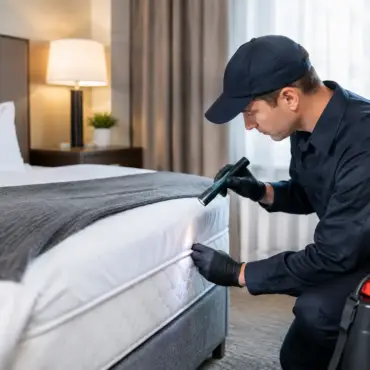
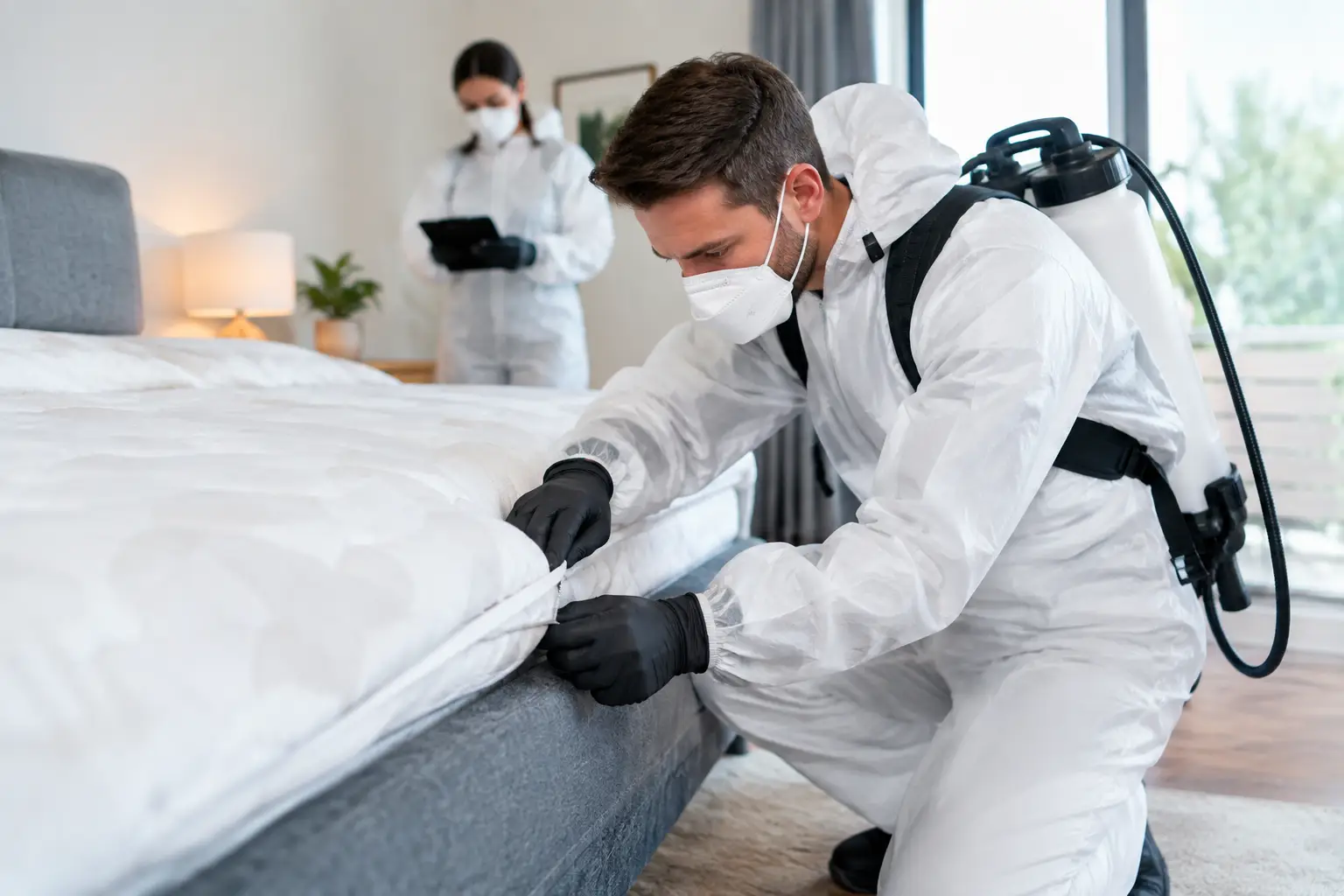
Experienced technicians inspect reported locations and evaluate adjacent spaces, common areas, service rooms, and other potential pathways. Visual evidence is important, but absence of a report does not always mean absence of bed bugs. Residents may be embarrassed, unaware of the signs, or reluctant to report a problem for fear of blame.
The inspection findings help determine whether the project requires a targeted group of units, a floor-by-floor plan, or full-property remediation. Treating too narrowly can leave a reservoir behind. Treating more space than necessary can add cost and disruption. The best plan is broad enough to stop the infestation and precise enough to respect the property’s operations.
Preparation Protects Belongings and Treatment Results
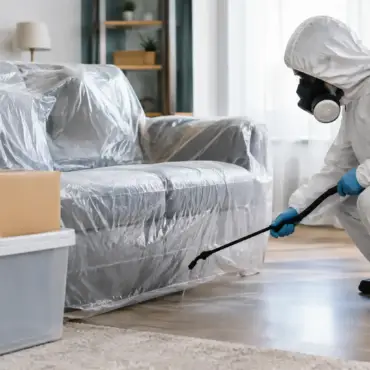
Heat treatment is non-toxic, but it is still a controlled thermal process. Certain heat-sensitive items need to be removed, protected, or handled according to the preparation instructions. This can include aerosol cans, candles, some cosmetics, live plants, medications requiring temperature control, vinyl records, and items with low heat tolerance.
Residents and staff also need clear instructions for clothing, clutter, furniture access, pets, and re-entry. Preparation should not become an impossible burden. In occupied buildings, the practical question is not whether residents can complete a perfect checklist alone. It is what support is needed to make the work realistic, safe, and on schedule.
For complex properties, prep assistance and direct communication can make the difference between a smooth treatment day and delayed access. BC Bed Bug Expert plans these details with property stakeholders so residents are informed, teams know their responsibilities, and the treatment area is ready when the work begins.
Scheduling Limits Operational Disruption
A full-building project requires a schedule that respects the people who live or work there. Hotels may need to protect reservations and coordinate room blocks. Housing providers may need language-accessible notices, accessibility planning, and temporary accommodations. Health care and seniors facilities may need phased work to preserve essential services.
In many cases, a staged plan is the most responsible option. It can address connected zones in a controlled sequence while maintaining operations elsewhere. The trade-off is that staging requires strict coordination. Moving untreated items between treated and untreated areas, or allowing access before clearance, can compromise the effort. A qualified team will explain those controls before work begins.
What Happens During a Building-Wide Heat Treatment
On treatment day, technicians position industrial heaters, high-volume fans, sensors, and monitoring equipment throughout each treatment area. The equipment is not set and forgotten. Temperatures are measured continuously at multiple points, including difficult locations where bed bugs may hide. Technicians adjust airflow and heat distribution so furniture, wall edges, and interior spaces receive the required exposure.
Residents, guests, and staff leave the active treatment area for the duration of the process. Once target temperatures and exposure times have been achieved, the space is cooled and cleared for re-entry according to the treatment plan. Many rooms and units can return to use the same day, which is a major advantage for properties facing occupancy pressure or business interruption.
Heat is especially valuable because it does not leave chemical residue on mattresses, furniture, clothing, or room surfaces. That does not mean every object can remain in place without review. Proper preparation and technician guidance protect both personal belongings and treatment performance.
Communication Is Part of the Treatment
Bed bugs carry stigma, and silence helps them spread. A successful full-building remediation plan gives residents and staff accurate information without creating panic or blame. Notices should explain what will happen, what is required, when people need to leave, and who can answer questions privately.
For property leadership, one point of contact and documented scheduling are equally important. Managers need to know which spaces were inspected, which were treated, what preparation was completed, and what follow-up is recommended. This record supports accountability and helps the property respond confidently if questions arise later.
Discretion matters as well. Professional crews should arrive prepared, work efficiently, and treat every occupant with respect. Whether the property is a luxury hotel, a rental community, a shelter, or a care facility, people deserve a response that protects their privacy as seriously as it protects the building.
After Treatment: Preventing a Return
A completed heat treatment resolves the active infestation in the treated area, but ongoing prevention still matters in buildings with frequent turnover, shared spaces, or high volumes of visitors. Staff training can help teams recognize early signs. Clear reporting policies encourage quick action. Routine inspections in higher-risk settings can identify an issue before it reaches multiple rooms or units.
Property operators should also review how furnishings, laundry, donated goods, luggage, and maintenance materials move through the building. There is no single prevention rule that fits every property. A hotel’s risk points differ from an apartment building’s, and a long-term care facility requires a different protocol again. The common principle is early detection, fast reporting, and immediate professional assessment.
When bed bugs affect more than one space, waiting for another complaint is rarely a cost-saving strategy. A coordinated plan gives the building its best chance to stop the spread, protect occupants, and return to normal with confidence.