A bed bug treatment should not force you to throw away the things you value. The key is knowing how to protect belongings during extermination without accidentally moving bed bugs into clean areas or preventing the treatment from reaching where they hide.
For bed bug heat treatment, preparation is not about emptying your home. It is about separating heat-sensitive items, following your treatment team’s instructions, and leaving the rest positioned so industrial heat can reach cracks, furniture, fabrics, and other hiding places. Done correctly, you can protect valuable possessions and support a successful one-day treatment.
Why Bed Bug Prep Requires a Different Approach
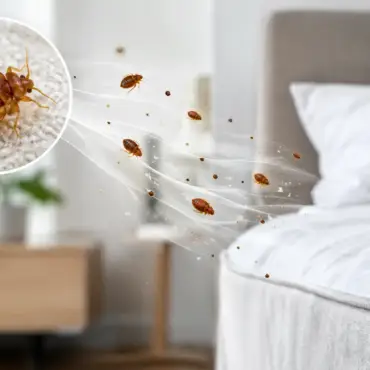
Bed bugs do not stay only in a mattress. They can hide in upholstered furniture, nightstands, closets, luggage, baseboards, picture frames, and the seams of everyday belongings. That is why broad, unsupervised removal can create a bigger problem. Carrying items through hallways, elevators, vehicles, or into another room may spread bed bugs beyond the original area.
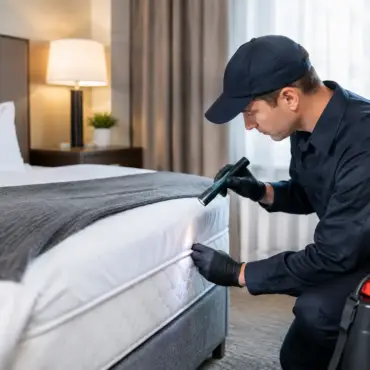
Thermal remediation works by raising the temperature in the treatment space to levels lethal to bed bugs and their eggs. Professional technicians monitor the environment carefully and use air movement to eliminate cool spots. The goal is to treat the infestation where it exists, not to make you strip your property bare.
Your preparation instructions may differ based on the property, treatment area, building rules, and the items inside. A single-family home, hotel room, senior living suite, and multi-unit building do not present the same risks. Always follow the written instructions from the bed bug specialist managing your treatment.
How to Protect Belongings During Extermination With Heat
The simplest rule is this: remove items that can be damaged by heat, but do not relocate ordinary belongings unless your treatment team tells you to do so.
Most furniture, clothing, bedding, books, shoes, and household items can remain in the treatment area. In fact, leaving them accessible to heat is often necessary. Avoid tightly packing closets, stacking boxes against walls, or sealing possessions inside bins that prevent heat circulation. Technicians may ask you to open drawers, spread out clothing, move furniture slightly away from walls, or remove items from under beds.
Set aside heat-sensitive possessions
Some belongings should be removed before treatment because high temperatures can damage them, create a safety concern, or interfere with the work. Your provider will give you a property-specific list, but common examples include:
- Living plants, pets, aquariums, and pet food
- Medications, vitamins, cosmetics, candles, and wax-based products
- Aerosol cans, pressurized containers, lighters, and flammable liquids
- Fresh food, chocolate, wine, and items that may melt, spoil, or leak
- Certain musical instruments, vinyl records, antiques, artwork, and delicate collections
- Heat-sensitive electronics or equipment identified by the manufacturer
Do not assume every electronic item must leave. Many common household electronics can remain when properly positioned and managed by an experienced heat-treatment team. However, servers, specialized medical equipment, data storage systems, high-value audio equipment, and items with manufacturer temperature limits require an individual plan. Ask before treatment rather than guessing.
Handle clothing and linens without spreading bed bugs
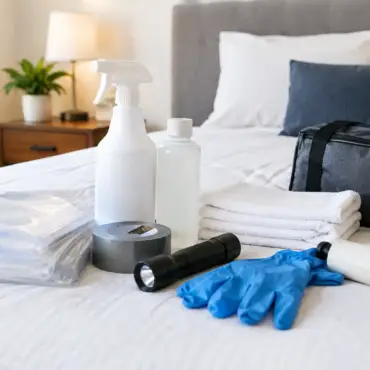
Clothing is one of the most common sources of confusion. If bed bugs may be present, do not carry loose laundry through the property. Bag it where it is, seal the bag, and follow the preparation instructions you receive.
In many situations, laundering and drying items on high heat is helpful. The dryer is the critical step because sufficient heat kills bed bugs and eggs. Once items are treated, place them in clean sealed bags or containers until the service is complete. Do not return cleaned clothing to an untreated room or place it on an infested bed, chair, or floor.
For clothing that cannot be dried on high heat, ask about alternatives. Delicate fabrics, dry-clean-only garments, leather, and specialty uniforms may need separate handling. A professional plan protects the item without turning it into a route for reinfestation.
Protect documents, photos, and sentimental items thoughtfully
Paper items can be difficult because bed bugs may hide in books, files, frames, and stored keepsakes. It is understandable to want to remove family photos, legal records, or irreplaceable collections immediately. Before doing that, pause and get direction.
Many paper goods can stay in place for heat treatment if they are not packed too densely. For especially valuable items, a specialist can advise whether they should be treated in a controlled way, relocated in sealed containers, or handled separately. This is particularly important for archives, rare books, artwork, and sensitive business records.
Take photos of valuable belongings before treatment if documentation would give you peace of mind. Keep insurance papers, passports, and critical documents together in a clearly identified, approved location. The objective is to know where they are without creating clutter that blocks treatment access.
What Not to Do Before Bed Bug Extermination
A few well-meant actions regularly make bed bug treatment harder. Do not move furniture to another room, take mattresses to the curb, donate belongings, or place possibly infested items in a vehicle without professional direction. These actions can spread the infestation and create unnecessary replacement costs.
Avoid foggers, bug bombs, over-the-counter sprays, and alcohol-based home remedies. They rarely solve a bed bug problem and may drive insects deeper into walls, furniture, or adjacent units. Some also present serious fire, health, or residue risks.
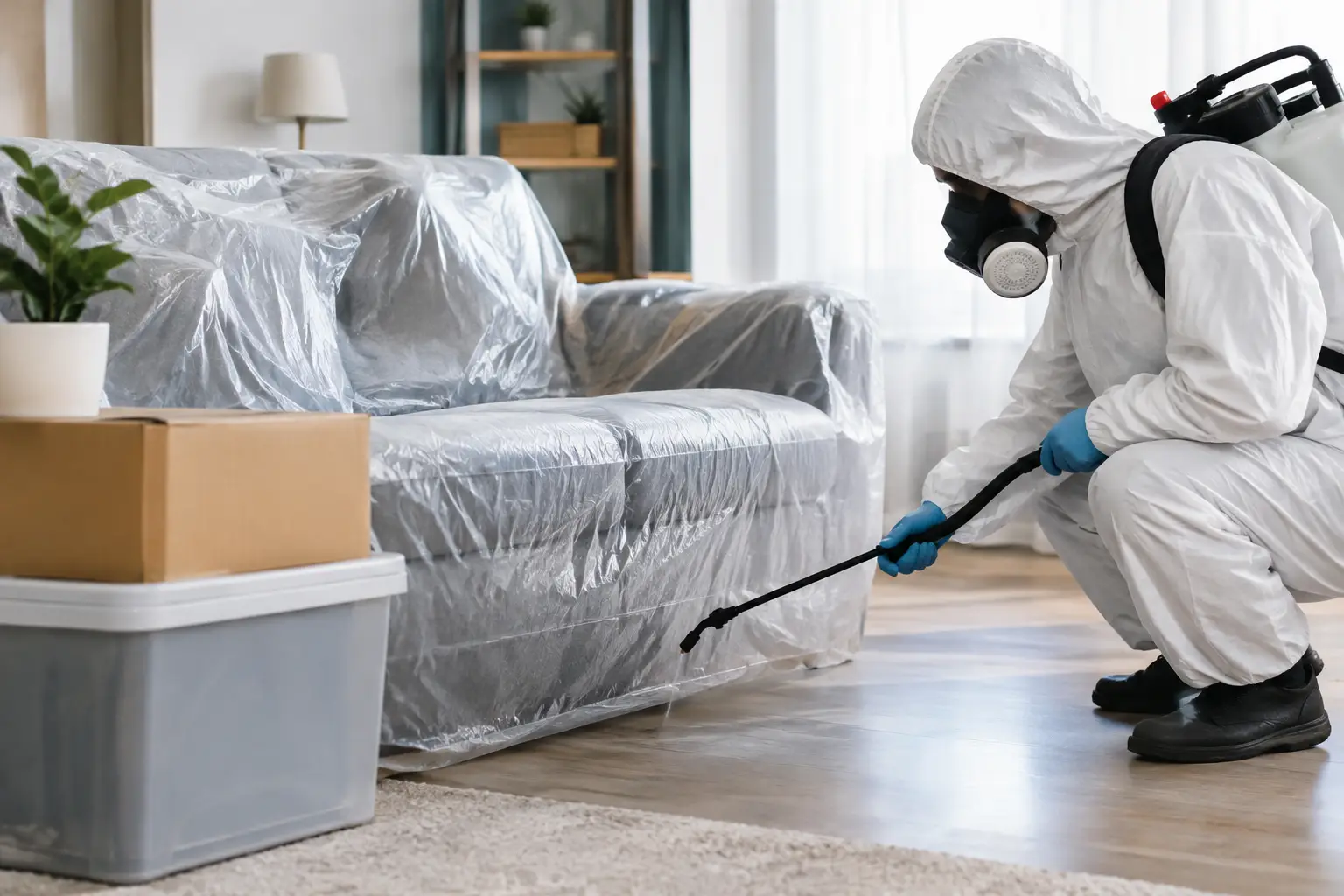
Do not wrap furniture in plastic unless you are specifically instructed to do so. Plastic may trap moisture, make inspection difficult, or prevent effective heat circulation. Similarly, do not seal every item in a tote and assume it is protected. A container can protect an item from handling, but it can also insulate it from the heat needed to eliminate bed bugs.
Preparing Shared Buildings and Commercial Spaces
Property managers, hospitality operators, health care facilities, and senior housing teams must balance bed bug control with resident safety, confidentiality, and daily operations. The belongings plan should be clear before treatment day, especially when occupants need help preparing.
In multi-unit properties, communication matters as much as equipment. Residents should receive simple instructions about what to remove, what can remain, where to place personal items, and how to avoid transporting bed bugs to common areas. Staff should also know who is responsible for medications, mobility equipment, resident records, food service items, and room access.
For hotels and commercial properties, separate treatment zones from operational areas and keep potentially affected linens, luggage, lost-and-found items, and housekeeping carts under control. A discreet, coordinated plan limits downtime while protecting guests, residents, and the property’s reputation.
Questions to Ask Before Treatment Day
A qualified bed bug specialist should make preparation understandable. Ask which belongings must leave the treatment area, whether your electronics can stay, how to handle laundry, and what to do with valuables that cannot tolerate heat. If you have pets, medical devices, antiques, firearms, aquarium equipment, or a home office, raise those concerns early.
Also ask what happens after treatment. You need to know when it is safe to re-enter, when belongings can be put back in place, and whether follow-up monitoring or inspection is recommended. Clear answers reduce last-minute decisions, which is when accidental spreading is most likely.
BC Bed Bug Expert plans heat treatments around the contents and realities of each property, not a generic checklist. That level of planning is especially valuable when a home contains sentimental items or a facility has residents who need additional preparation support.
Your belongings deserve more than a rushed cleanout. With the right instructions and a specialized heat-treatment plan, you can protect what matters, avoid spreading bed bugs, and give the treatment the access it needs to work.