
A suspected bed bug problem is not the time for guesses, online photos, or a quick look at the mattress. A professional bed bug inspection service gives you a clear answer about what is happening, where activity is located, and how far it may have spread. That clarity matters whether you are protecting your family, responding to a tenant complaint, or trying to prevent a guest-room issue from becoming a reputation problem.
Bed bugs are small, skilled at hiding, and easy to overlook in the early stages. The right inspection is designed to find evidence before an infestation reaches adjacent rooms, neighboring units, or other areas of a property.
What a professional bed bug inspection service looks for
An inspection is more than searching for live bugs on a bed. Adult bed bugs, young bed bugs, eggs, shed skins, fecal spotting, and small blood marks can each help establish whether bed bugs are present. A specialist looks for these signs while also considering the pattern of complaints, recent travel, furniture movement, neighboring-unit activity, and the layout of the building.
Bed bugs commonly hide close to where people rest, but they do not stay limited to a mattress. They can be found in bed frames, headboards, box springs, upholstered furniture, baseboards, picture frames, electrical outlets, luggage, curtains, and cracks around flooring. In apartments, hotels, care facilities, and other multi-unit properties, they can move through wall openings, utility pathways, hallways, or transferred belongings.
A thorough inspection follows the evidence rather than making assumptions. One bite report does not always mean bed bugs. Skin reactions vary widely, and other insects or environmental causes can create similar symptoms. On the other hand, no visible bite marks do not rule bed bugs out. A trained inspection helps separate suspicion from a confirmed problem.
Why early confirmation saves time and money
Bed bugs reproduce quickly when conditions allow. Delaying action while trying random sprays, foggers, or home remedies can give an infestation time to grow and spread. It can also push bed bugs deeper into walls, furniture, and adjoining areas, making eventual treatment more complicated.
Early confirmation lets you make practical decisions with confidence. Homeowners can avoid throwing away furniture unnecessarily. Property managers can identify whether nearby units need evaluation. Hospitality operators can respond discreetly before a single room concern affects more of the property. Health care and senior housing facilities can take measured steps that protect residents without creating unnecessary disruption.
The inspection also determines the right scope of work. A single bedroom may require a different approach than multiple units, a vehicle, a hotel floor, or a full building with recurring reports. Treating only the obvious room is a common reason infestations return.
What happens during a bed bug inspection
The process begins with questions. A qualified technician will ask when the issue was first noticed, where people have seen bites or insects, whether items have recently been brought into the space, and whether adjacent rooms or units have reported concerns. This background helps focus the inspection and identify potential spread routes.
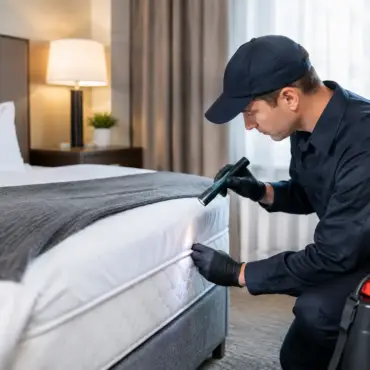
The technician then examines high-risk areas methodically, starting with sleeping and resting spaces and expanding as evidence requires. Furniture may need to be moved or opened for a proper view of seams, joints, and hidden voids. In larger properties, inspections may include neighboring units, common areas, staff spaces, laundry rooms, storage areas, or other locations where bed bugs can travel.
Some situations may also call for a trained canine inspection. Canine teams can be useful for screening large spaces or locating activity that is difficult to see, especially in hospitality and multi-unit environments. However, results should be handled professionally. Canine alerts are most valuable when combined with visual confirmation, technician expertise, and a plan for what happens next.
At the end of the inspection, you should understand whether evidence was found, the likely extent of activity, and the recommended response. If treatment is needed, you should receive straightforward preparation guidance and a clear explanation of the treatment area.
Inspection quality matters more than a quick visual check
A rushed inspection can miss the very places bed bugs prefer. These pests are flat, nocturnal, and capable of hiding in spaces no thicker than a credit card. A technician who only checks the mattress surface may overlook activity in the frame, wall junctions, furniture, or nearby rooms.
Experience matters especially in complex properties. A report in one apartment may be isolated, or it may point to activity moving between units. A bed bug found in a hotel room may have arrived in a guest’s luggage, or it may indicate an established harboring area. The right response depends on inspection findings, not a one-size-fits-all treatment recommendation.
BC Bed Bug Expert focuses exclusively on bed bugs, which means inspections are performed with the same specialized knowledge used to plan and carry out full thermal remediation. That focus is valuable when the stakes include tenant retention, resident safety, guest confidence, or business continuity.
When you should schedule an inspection
Do not wait for a large infestation before asking for help. An inspection is appropriate when you have seen a bug that resembles a bed bug, found dark spotting around a bed or upholstered furniture, noticed shed skins, or experienced unexplained bites after sleeping. It is also appropriate after a guest complaint, tenant report, used-furniture purchase, travel-related concern, or recurring issue that previous treatment did not resolve.
For property managers and facility operators, a prompt inspection is often the most responsible first move. It creates a factual basis for communication and prevents unnecessary alarm while ensuring a real issue is not minimized. Discretion is part of professional service. Residents, guests, and staff need calm, accurate direction, not speculation.
What to do before the technician arrives
Avoid spraying insecticides, using bug bombs, or applying heavy cleaners to suspected areas before the inspection. These actions can scatter bed bugs, reduce visible evidence, and make it harder to determine where they are harboring. Do not move bedding, furniture, or bags into other rooms unless you have been instructed to do so.
If possible, make a simple note of where and when you saw signs, what rooms are involved, and whether anyone recently traveled or brought in secondhand items. Keep any insect you find in a sealed container or clear tape if you can do so safely. A specimen can sometimes help with identification.
You do not need to empty the entire room before an inspection unless directed. In fact, unnecessary moving can spread the problem. A specialist will tell you exactly what preparation is needed if treatment is recommended.
From inspection to effective elimination
A confirmed infestation needs a treatment plan that reaches bed bugs where they hide and kills eggs as well as active insects. Repeated chemical applications can take weeks or months, and results depend heavily on product resistance, placement, follow-up visits, and tenant or homeowner preparation.
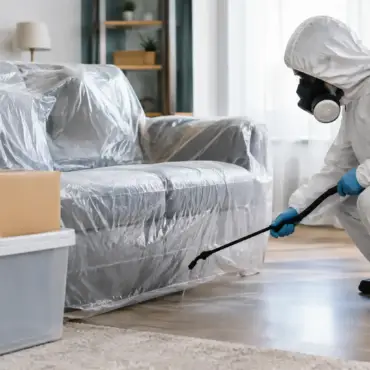
Professional thermal remediation is often the faster option when performed correctly. Industrial-grade heat is raised throughout the treatment area to lethal temperatures for bed bugs and eggs, including the hidden spaces they use to survive. It is non-toxic, does not leave chemical residue, and can often resolve the infestation in one treatment cycle.
Heat treatment is not automatic for every circumstance. The size of the area, condition of the property, contents in the room, and evidence of spread all affect planning. That is why a proper inspection comes first. It prevents under-treatment, supports safe setup, and helps ensure the treatment matches the actual problem.
If you suspect bed bugs, the most useful next step is simple: get a professional assessment before the problem gets bigger. A careful inspection replaces uncertainty with a plan, protects the people using the space, and gives you a realistic path back to normal.