
A bed bug problem can make a bedroom, apartment, hotel room, or care facility feel unmanageable overnight. Bed bug heat treatment is designed to end that cycle quickly by reaching the places insects hide and eliminating both active bed bugs and their eggs in a single treatment day.
For people who have already tried sprays, laundering, or repeated chemical visits without lasting results, heat offers a different approach. It treats the whole affected space, not just the bugs that happen to be visible. The key is having the right equipment, trained technicians, careful preparation, and constant temperature monitoring from start to finish.
What Is Bed Bug Heat Treatment?
Thermal remediation is a professional process that raises the temperature inside an infested room or structure to a lethal range for bed bugs. Industrial heaters, high-volume fans, sensors, and monitoring equipment work together to heat the entire treatment area evenly. The objective is not to make the room warm. It is to maintain lethal temperatures long enough for heat to penetrate mattresses, furniture, wall voids, baseboards, luggage, upholstery, and other common hiding places.
Bed bugs are vulnerable to sustained high heat at every life stage. That matters because eggs are often the reason infestations return after incomplete treatment. A few surviving eggs can restart the problem weeks later. Properly performed heat treatment targets live insects, young bed bugs, and eggs at the same time.
This is very different from placing a portable heater in a room or turning up the thermostat. Residential heating systems do not generate or distribute the controlled, high temperatures needed for reliable elimination. DIY heat attempts can also create fire risks, damage belongings, drive bugs into cooler areas, or leave protected hiding spots untreated.
Why Heat Can Solve the Problem in One Treatment
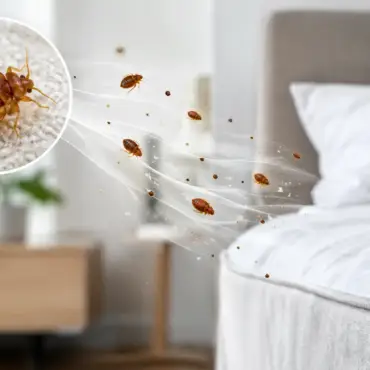
Bed bugs do not stay neatly on a mattress. They move into bed frames, upholstered chairs, curtains, electrical areas, cracks in flooring, closets, laundry piles, and neighboring rooms. In multi-unit buildings, they may also travel through shared walls, plumbing openings, or utility pathways.
A professional heat treatment addresses this behavior by treating the entire designated area. Technicians position equipment to circulate heated air through the space while monitoring temperatures at multiple points. Furniture may be moved or arranged to allow heat flow, and technicians inspect likely cold spots where bed bugs could survive.
The advantage is speed. Chemical programs often require several visits over weeks because products may not kill eggs and need time to affect exposed insects. Heat is often completed in one day, which can be especially valuable for families, tenants, hotels, seniors housing, health care settings, and properties facing operational disruption.
One treatment does not mean one careless visit. The result depends on a disciplined process. Preparation, inspection, temperature management, and post-treatment guidance all matter. When the infestation extends beyond a single room or into adjacent units, the treatment plan must reflect the actual scope instead of assuming the visible bites tell the whole story.
What Happens During a Professional Heat Treatment?
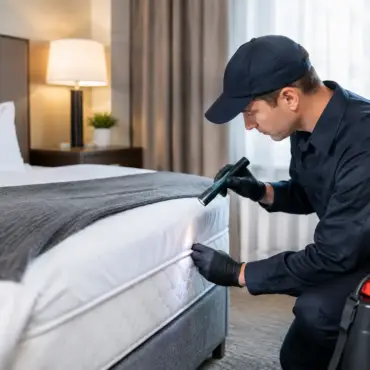
The process begins before the heaters arrive. A specialist assesses the affected rooms, identifies likely harborages, and determines whether surrounding spaces need inspection. In apartments, condos, hotels, and care facilities, this step is critical. Treating only the reported room can be inadequate if bed bugs have already spread.
Preparation protects your belongings and improves results
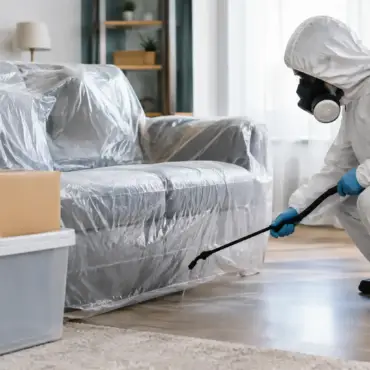
You will receive clear preparation instructions before treatment. These are not busywork. Clutter, tightly packed storage, and inaccessible furniture can block airflow and create cooler zones. You may need to remove items that are sensitive to heat, such as certain cosmetics, medications, candles, aerosol cans, plants, and heat-sensitive electronics.
Most everyday belongings can remain in place, including clothing, bedding, mattresses, and many upholstered items. That is one of heat treatment’s practical benefits. People often throw away furniture in panic, even though a properly treated mattress, sofa, or bed frame can usually be saved.
Preparation needs vary by property. A single-family home has different requirements from a hotel floor, a vehicle, or a multi-unit residential building. A professional plan should explain what must be removed, what can stay, and how to avoid carrying bed bugs to another location while preparing.
Controlled heat reaches the hiding places
On treatment day, technicians set up industrial equipment and place temperature sensors throughout the space. Fans circulate air so heat moves around and through furnishings rather than building up in only one area. Technicians adjust equipment and reposition items as needed to manage the conditions inside the treatment zone.
The room remains monitored throughout the process. This is where specialized experience matters most. Too little heat, too little time, or uneven airflow can leave survivors behind. Too much unmanaged heat can risk damage to sensitive materials. Professional thermal remediation is a controlled operation, not a guess.
After the required lethal conditions have been maintained, the area is allowed to cool. Technicians provide re-entry instructions and practical guidance for the days that follow. Depending on the property and treatment plan, a follow-up inspection may be recommended to confirm that activity has stopped and to address conditions that could support reintroduction.
Is Heat Treatment Safe for Families, Pets, and Facilities?
Heat treatment is a non-toxic approach. It does not rely on pesticide residue on beds, furniture, floors, or clothing. That can make it an appealing choice for households with children, pets, allergies, or chemical sensitivities, as well as for hospitality, health care, and seniors housing environments.
During active treatment, people and pets must be out of the treatment area because temperatures become unsafe for occupants. Sensitive belongings must also be handled according to the preparation instructions. Once the space has cooled and the treatment team provides clearance, residents or staff can return.
Non-toxic does not mean unplanned. Safe treatment depends on identifying heat-sensitive items, using commercial equipment correctly, and maintaining control of the space throughout the process. Be cautious of anyone who promises instant results without asking about the property layout, contents, infestation history, or adjacent units.
When Bed Bug Heat Treatment Is the Right Choice
Heat is often the strongest option when speed and complete elimination are priorities. It is particularly useful when an infestation has persisted through prior chemical treatment, when eggs are a concern, or when a property cannot tolerate repeated disruptions.
For a homeowner, that might mean getting bedrooms usable again without discarding valuable furniture. For a property manager, it can mean reducing tenant displacement and preventing a small issue from becoming a building-wide problem. For hospitality operators, quick and discreet action helps protect guest confidence and limit room downtime. In care settings, a non-toxic, carefully managed process can be preferable to repeated pesticide exposure.
Still, heat is not a substitute for inspection and prevention. A treatment can eliminate the bed bugs currently inside the designated area, but it cannot prevent a future introduction through travel, used furniture, visitors, or an untreated neighboring unit. In larger buildings, a targeted inspection strategy and coordinated response are often as important as the treatment itself.
Heat Treatment vs. Repeated Chemical Treatment
Chemical treatment can have a place in some integrated bed bug plans, especially for limited applications or ongoing monitoring. But it often requires patience, repeat visits, and strict cooperation from occupants. Bed bugs may avoid treated surfaces, and eggs can survive products that kill active insects.
Heat has a higher upfront investment in many cases, but the full cost should be considered honestly. Repeated service calls, lost hotel revenue, tenant complaints, replacement furniture, missed work, and the emotional cost of living with an active infestation can add up quickly. A one-day thermal treatment may be the more economical decision when it resolves the problem without a long series of attempts.
The right choice depends on the size of the infestation, the type of property, access to adjacent areas, the condition of the space, and how quickly resolution is needed. A qualified bed bug specialist should recommend a plan based on evidence, not a one-size-fits-all sales pitch.
Choose a Specialist, Not Just a General Exterminator
Bed bugs require focused expertise. Their hiding behavior, ability to spread between units, and egg survival make them different from common household pests. The company you choose should be able to explain how it confirms activity, prepares the property, monitors temperatures, protects contents, and handles complex spaces.
BC Bed Bug Expert specializes in thermal remediation for homes, apartments, hospitality properties, vehicles, health care facilities, and full-building projects. That specialization matters when the stakes are high and you need a fast, discreet plan rather than another round of trial and error.
If you suspect bed bugs, avoid moving untreated belongings to another room, another unit, or a friend’s home. Keep the problem contained, document what you have seen, and arrange a professional assessment promptly. Fast action gives you more options and a better chance of putting the disruption behind you for good.