A single bed bug does not always mean a major infestation. But it does mean you need to take the situation seriously. Knowing when to call exterminator services can be the difference between treating one affected room and dealing with bed bugs across bedrooms, furniture, neighboring units, or an entire property.
Bed bugs are not a cleanliness issue, and they do not disappear because you vacuumed, changed the sheets, or threw away a mattress. They hide in tight cracks, reproduce quickly, and can survive many common do-it-yourself attempts. Fast, informed action protects your home, your belongings, your guests, and your peace of mind.
Call an Exterminator When You Confirm Bed Bug Evidence
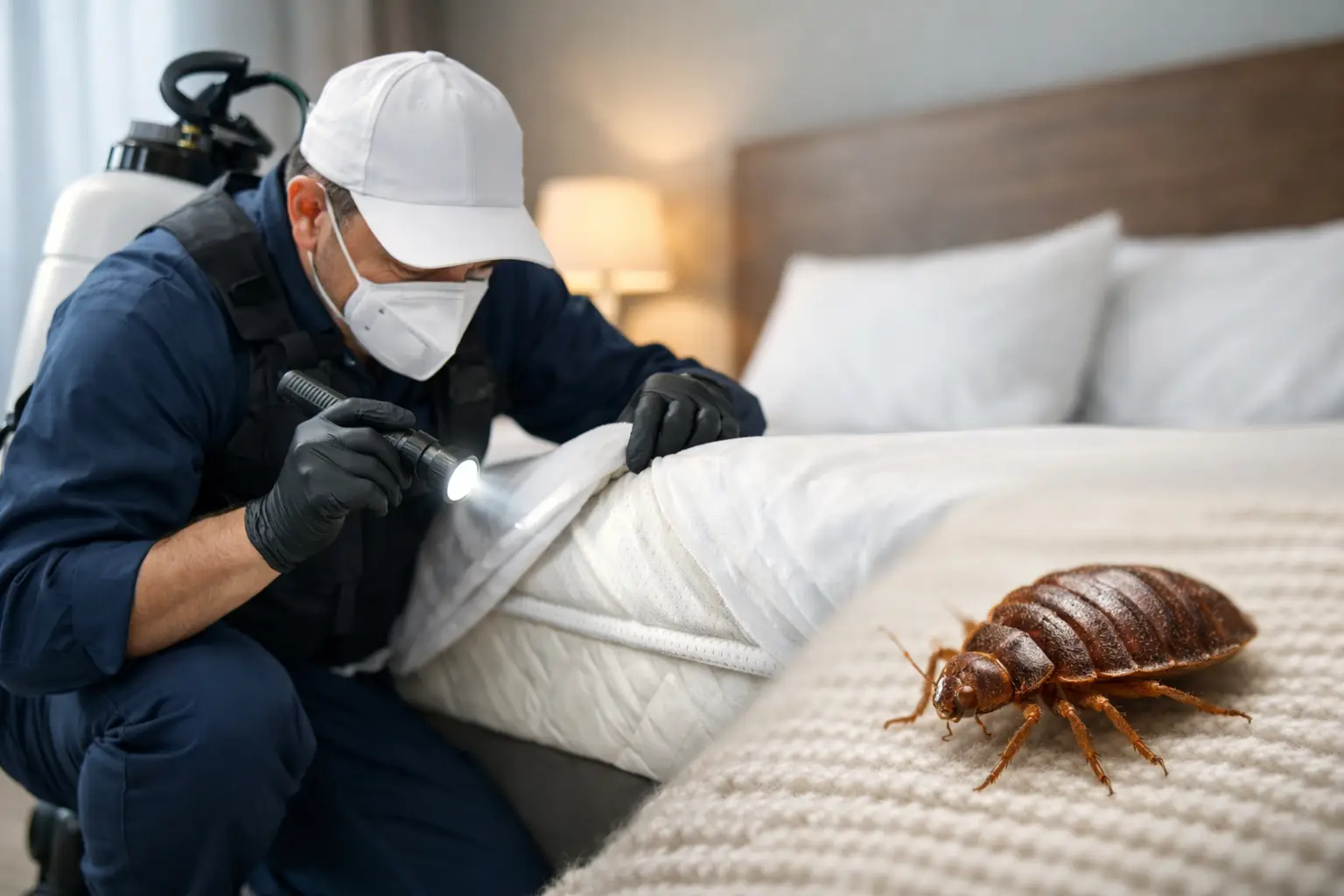
The clearest reason to call is physical evidence. Adult bed bugs are small, flat, reddish-brown insects, often compared to an apple seed in size and shape. You may also find pale shed skins, tiny white eggs, rust-colored blood marks on sheets, or dark spotting along mattress seams, bed frames, baseboards, and upholstered furniture.
You do not need to wait until you see dozens of live bugs. In fact, waiting is one of the most expensive mistakes people make. Bed bugs are skilled at staying out of sight during the day. By the time they are regularly visible, the infestation may already be established.
Bites can be a warning sign, but bites alone are not proof. Skin reactions vary widely, and many conditions can resemble insect bites. If you are waking with unexplained itchy welts, especially in lines or clusters, inspect carefully and arrange a professional inspection rather than assuming the cause.
When to Call an Exterminator After a DIY Attempt Fails
Many people begin with store-bought sprays, foggers, mattress encasements, steamers, or extensive cleaning. Some of these steps can reduce activity when used correctly. None should be mistaken for a complete solution to an established infestation.
Bed bugs can hide behind outlet covers, inside bed frames, beneath carpeting, within sofas, under floor transitions, and in cracks too small to notice. Sprays may kill bugs that are directly contacted while leaving eggs and hidden bugs untouched. Foggers are especially unreliable for bed bugs because the pesticide often does not reach their hiding places and may drive them deeper into walls or furniture.
Call a bed bug specialist if you have treated more than once and still see bugs, new bites, fresh spotting, or activity in another room. Repeated chemical applications can cost more over time, create unnecessary exposure concerns, and delay the treatment that actually ends the problem.
Do Not Wait When the Infestation Is Spreading
Bed bugs travel. They can move from a bed to a couch, from a suitcase to a closet, or from one apartment to another through shared walls, utility openings, hallways, and laundry areas. Once activity appears outside the original sleeping space, professional treatment should be treated as urgent.
This is particularly true if you notice bed bugs in:
- Multiple bedrooms or living areas
- Upholstered furniture, offices, or staff rooms
- Vehicles used for transportation or delivery
- Neighboring apartments, suites, or common areas
- Guest rooms, care settings, or employee accommodations
For multi-unit buildings, a response focused on one unit alone may not be enough. Property managers and housing operators need an inspection strategy that identifies the extent of activity, considers adjacent units, and prevents a cycle of reinfestation. Discreet, coordinated treatment also helps protect tenant confidence and reduce operational disruption.
When to Call an Exterminator for a Hotel, Care Facility, or Rental Property
For hospitality operators, landlords, health care facilities, and seniors housing providers, the threshold for action should be low. One credible report requires a prompt, professional response. The goal is not panic. The goal is containment, confirmation, and safe remediation before the issue affects more rooms, residents, guests, or staff.
A guest complaint, a suspected bite, or a bug found on luggage does not automatically confirm an infestation. It does justify a careful inspection. Acting quickly protects your reputation and allows you to make decisions based on evidence instead of fear.
In health care and seniors housing settings, chemical-heavy approaches may be a poor fit due to resident sensitivities, mobility limitations, and the need to keep spaces safe and operational. Professional thermal remediation offers a non-toxic option that can treat bed bugs and eggs throughout the targeted area in a single treatment cycle, while avoiding the drawn-out schedule of repeated pesticide visits.
Call Right Away If Someone Is Bringing Bed Bugs Home
Bed bugs are commonly introduced through travel, overnight guests, used furniture, moving boxes, shared laundry, dormitories, public transit, and workplaces. If you find a suspicious insect in luggage after a trip, on a recently purchased secondhand item, or in a vehicle, isolate the item and get professional guidance before moving it through the property.
Do not carry a suspected mattress, couch, or bag through shared hallways or place it on the curb without precautions. That can spread bed bugs to other areas and create a larger problem for neighbors. Avoid moving belongings from an affected room into a clean room unless a specialist advises you to do so.
The same applies when a child returns from camp, a tenant moves in, or an employee reports bed bugs at home. Early action is less disruptive than trying to manage a confirmed infestation after it has spread.
Why a Specialist Matters More Than a General Pest Visit
Bed bug control is not ordinary pest control. Successful treatment depends on correctly identifying bed bugs, locating their harborages, preparing the space properly, and using a method that reaches bugs at every life stage.
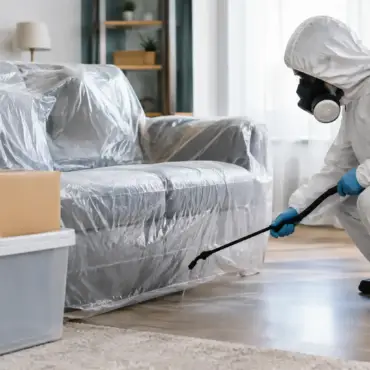
Industrial heat treatment is designed to raise the temperature of the treatment area to levels lethal to bed bugs and eggs. Unlike a surface spray, heat can penetrate furniture, seams, cracks, and other difficult hiding places when the treatment is professionally planned and monitored. Proper setup matters. Rooms must be prepared, sensitive items protected, air movement managed, and temperatures verified throughout the space.
That is why an inspection and treatment plan should be based on your specific situation. A single-family home, an apartment, a hotel suite, a vehicle, and a full building each present different access, preparation, and containment challenges. The right provider should be able to explain what they found, what treatment involves, what you need to do beforehand, and how they will protect the space during the process.
What to Do Before the Exterminator Arrives
Your first instinct may be to bag everything, discard furniture, or wash every item you own. Pause before taking drastic steps. Some preparation is necessary, but unnecessary movement can spread bed bugs and create more work.
Keep sleeping in the usual bed unless you are instructed otherwise. Moving to another room can give bed bugs a new food source and a new place to establish themselves. Avoid using bug bombs or spraying random chemicals before an inspection, as this can interfere with assessment and push bugs into harder-to-treat areas.
If possible, save a specimen in a sealed container or take a clear photo. Make a brief note of where and when you saw it, where bites are occurring, and whether you recently traveled, moved, purchased used furniture, or had overnight visitors. This information helps a specialist assess the likely source and scope of the problem.
When you schedule treatment, follow the preparation instructions closely. Professional prep support is especially valuable for seniors, busy families, property managers, and organizations with many rooms to coordinate. Good preparation supports effective heat circulation and reduces the chance that bed bugs remain hidden in untreated items.
The Cost of Waiting Is Usually Higher
People often delay calling because they are embarrassed, uncertain, or worried about cost. Bed bugs thrive on delay. A smaller, contained issue is generally easier to resolve than an infestation that has reached multiple rooms or units.
There is also an emotional cost. Lost sleep, anxiety, repeated cleaning, discarded belongings, tenant complaints, canceled bookings, and staff distractions can quickly outweigh the cost of professional remediation. A discreet inspection gives you clarity. A specialized treatment gives you a path forward.
If you have found evidence, have recurring unexplained bites, or suspect bed bugs have spread beyond one small area, act before the problem gets comfortable in your property. A qualified bed bug specialist can replace uncertainty with a clear, safe plan – and help you get back to sleeping, hosting, and operating with confidence.