A bed bug prep service is not about asking you to bag up your entire life or throw away furniture you cannot afford to replace. It is practical support that prepares a home, apartment, hotel room, care facility, or other affected space for professional treatment – without creating more disruption than necessary.
When bed bugs are confirmed or strongly suspected, preparation matters. But the right preparation is targeted. It protects your belongings, helps treatment reach the places bed bugs hide, and reduces the risk of moving insects into unaffected rooms. For people already dealing with lost sleep and understandable anxiety, expert prep support can turn a confusing situation into a clear plan.
Why Bed Bug Preparation Matters Before Treatment
Bed bugs are skilled at finding protected hiding places. They can live in mattress seams, bed frames, baseboards, upholstered furniture, luggage, electrical areas, and small cracks around a room. If belongings are piled tightly together or access is blocked, treatment technicians may not be able to reach every area that needs attention.
Preparation creates access. It also makes it possible to treat the room thoroughly while keeping personal items organized and protected. This is especially important with thermal remediation, where industrial equipment heats the treatment area to temperatures lethal to bed bugs and their eggs.
A proper heat treatment is designed to eliminate all life stages in one treatment cycle. However, that result depends on careful setup, monitoring, airflow, and preparation tailored to the space. A generic checklist downloaded online cannot account for the layout of your property, the extent of activity, or items that need special handling.
What a Bed Bug Prep Service Includes
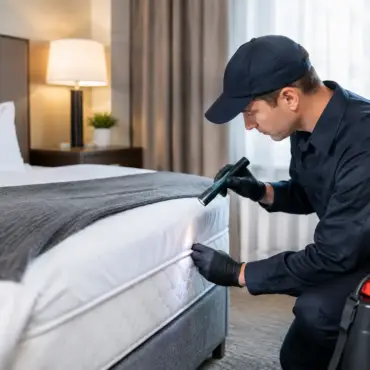
A professional bed bug prep service begins with an assessment of the affected space and the planned treatment method. The goal is not to create unnecessary work. It is to identify what must be moved, what should be left in place, and what requires protection before treatment day.
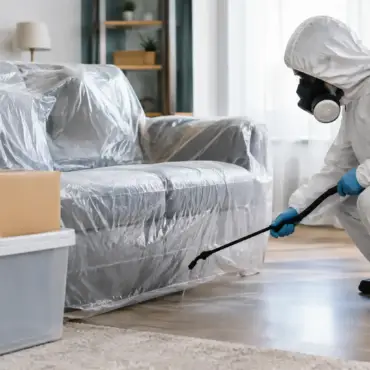
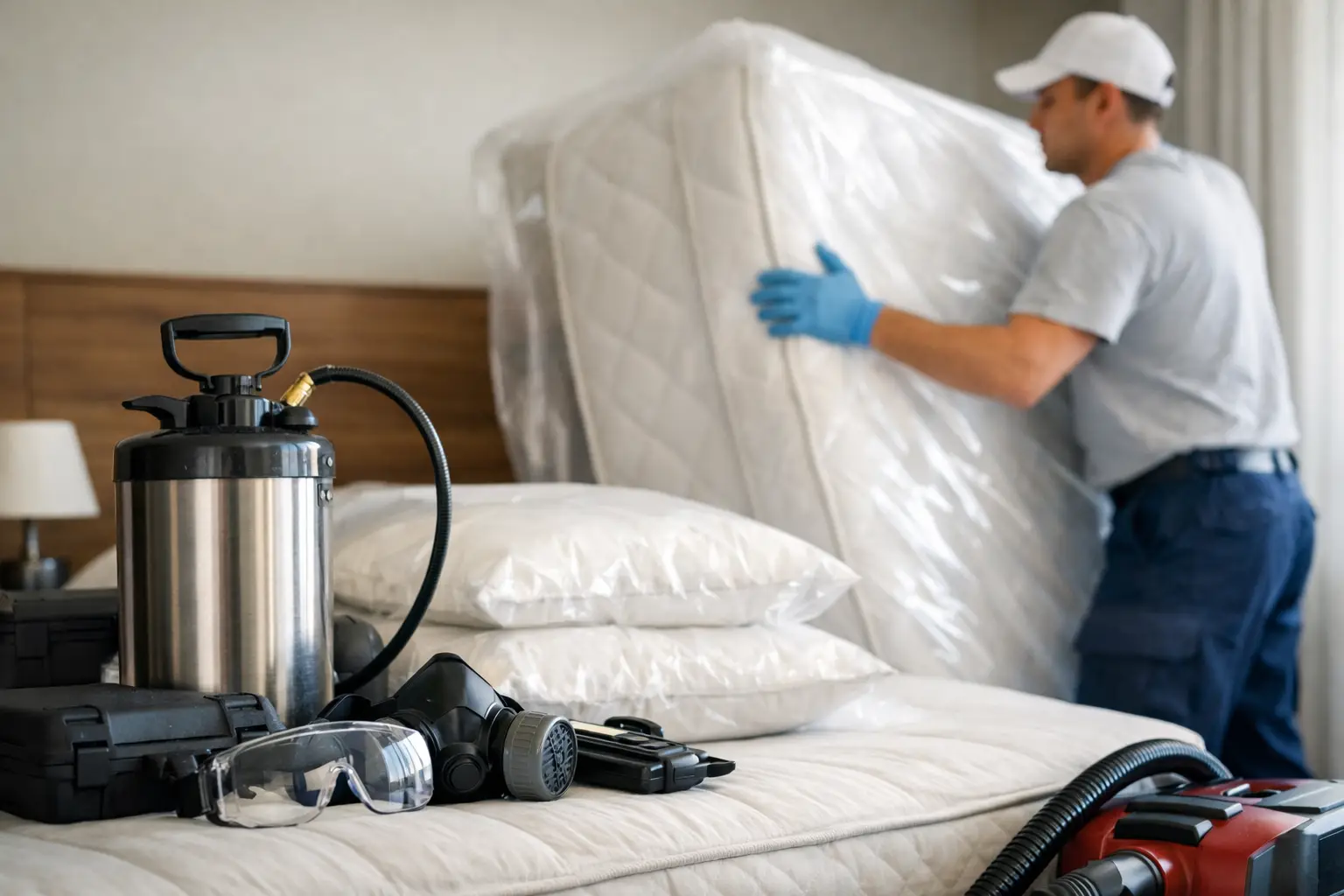
For many residential clients, this means help with clearing pathways, reducing clutter near sleeping areas, separating items that need laundering, and preparing furniture so heat can circulate properly. For a property manager or hospitality operator, prep may involve coordinating room access, communicating with occupants, staging rooms, and ensuring staff understand what should not be moved between units.
The service may also include guidance on sensitive belongings. Certain items, such as medications, candles, aerosol cans, pressurized containers, some cosmetics, plants, and heat-sensitive electronics, may need to be removed or handled separately. The exact instructions depend on the treatment plan. Guessing can lead to damaged possessions, delayed service, or conditions that make treatment less effective.
Preparation support is particularly valuable when residents have mobility limitations, a large volume of belongings, language barriers, or little time to prepare. Seniors housing, health care environments, multi-unit buildings, and busy hospitality properties often need more coordination than a single-bedroom home. The plan must work for the people using the space, not just the pest control process.
What You Usually Do Not Need to Do
One of the most damaging myths about bed bugs is that everything must be discarded. That is rarely the answer. Throwing out a mattress, sofa, clothing, or personal items without professional guidance can be expensive and may spread bed bugs through hallways, elevators, garbage areas, or neighboring units.
You also should not begin moving belongings into other rooms, a vehicle, storage unit, or a friend’s home. Bed bugs can travel with bags, boxes, laundry, and furniture. Moving items before receiving instructions can turn one contained problem into several.
Avoid using foggers, bug bombs, rubbing alcohol, or unapproved pesticides. These methods can create safety hazards, drive bed bugs deeper into hiding, and interfere with professional treatment. Bed bugs are difficult enough to eliminate without adding chemical exposure or making them harder to reach.
A specialized provider will tell you what to remove, what to leave, what to bag, and what can be treated in place. That direction is more useful than a long, one-size-fits-all checklist.
Heat Treatment Prep Is Different From Chemical Treatment Prep
Chemical bed bug programs often require repeated visits over several weeks. Preparation may need to be repeated before each visit, and residents can be left managing laundry, encasements, monitoring, and activity between treatments. That approach can be necessary in some circumstances, but it is often frustrating for households and disruptive for commercial properties.
Thermal remediation takes a different approach. Professional equipment raises the temperature throughout the treatment area while technicians use sensors and airflow management to ensure lethal conditions reach bed bug harborages. Heat can penetrate many places that sprays may not reliably reach, including cracks, furniture joints, and areas around beds.
That does not mean preparation disappears. It means the preparation is focused on making the heat treatment safe and effective. Rooms need clear airflow. Certain heat-sensitive items need to be removed. Furniture may need to be repositioned. Technicians need access to the areas where bed bugs are likely to be hiding.
For many customers, the trade-off is worth it: one focused treatment day and a defined preparation plan instead of an extended cycle of repeated chemical applications. The right recommendation still depends on the property, infestation conditions, access, and the needs of the people occupying the space.
Preparation for Apartments, Hotels, and Larger Properties
In multi-unit buildings, bed bug preparation cannot be treated as a tenant-only issue. Bed bugs may move through walls, utility pathways, shared furnishings, laundry areas, and occupant belongings. A successful response requires coordination between residents, building management, maintenance teams, and treatment professionals.
A prep plan for an apartment building may include inspection of adjacent units, tenant notices, access scheduling, and protocols for handling belongings without spreading activity. Clear communication matters. Residents need practical instructions delivered respectfully, without blame or stigma.
Hotels and other hospitality properties face a different pressure: guest experience and reputation. Rooms must be assessed quickly, treatment must be discreet, and operations need a plan that limits unnecessary downtime. The same applies to care facilities, shelters, vehicles, and workplaces. Each environment has its own safety requirements, access limitations, and operational risks.
BC Bed Bug Expert provides prep support as part of a specialized response built for these realities. The objective is fast, discreet bed bug elimination with a process that protects occupants, staff, property, and day-to-day operations.
How to Prepare Without Spreading Bed Bugs
Until your treatment team provides property-specific instructions, keep the affected area as stable as possible. Continue sleeping in your usual bed if it is safe to do so. Sleeping elsewhere can cause bed bugs to follow you and establish new hiding areas.
Place clothing or linens that require laundering directly into sealed bags before moving them. Do not carry loose piles of laundry through the home. After drying on high heat, place clean items in new sealed bags or clean containers as directed. Do not return them to an untreated room prematurely.
Keep clutter from moving room to room. If you are unsure whether an item should be removed, bagged, treated, or left where it is, ask before acting. The smallest details can matter, especially in a larger infestation or a property with multiple occupants.
Choosing a Prep Service You Can Trust
The best bed bug prep service is connected to the treatment plan itself. A company that specializes in bed bugs should be able to explain why each preparation step is needed, identify items that require special care, and give you clear instructions for treatment day.
Look for a provider that understands thermal remediation, not simply a general exterminator applying a standard checklist. Ask how the space will be monitored during heat treatment, how sensitive items are handled, whether the team can assist with difficult preparation needs, and how they address complex properties such as apartments, hotels, or care facilities.
You should also expect discretion. Bed bug problems are common, but they can still feel deeply personal. Professional support should be calm, respectful, and focused on solving the problem quickly rather than assigning blame.
A prepared space gives treatment the best possible conditions to work. More importantly, it gives you a way forward: clear instructions, protected belongings, and a professional team ready to remove the problem without making your life harder.