You usually know something is wrong before you know exactly what it is. A few bites. Rust-colored spots on the sheets. A growing habit of checking mattress seams with your phone flashlight at 2 a.m. When people search for a home bed bug exterminator, they are not casually browsing. They want the problem gone, quickly, safely, and without turning the whole house upside down for weeks.
That urgency matters, because bed bugs are not a pest that responds well to half-measures. Store-bought sprays, DIY powders, and random internet advice often give people a short burst of hope, then a longer and more expensive problem. The real question is not whether something kills bed bugs on contact. The question is whether it eliminates adults, nymphs, and eggs thoroughly enough to stop the infestation from restarting.
What a home bed bug exterminator should actually solve
A true bed bug solution has to do more than treat a mattress. Bed bugs hide in bed frames, headboards, baseboards, nightstands, couches, luggage, electrical outlets, wall voids, and clutter near sleeping areas. In apartments, condos, hotels, assisted living settings, and multi-unit properties, they can also move between rooms or units.
That is why choosing a home bed bug exterminator is not just about hiring any pest control company with bed bugs listed on a service menu. It is about finding a specialist who understands how infestations spread, how they survive amateur treatments, and how to eliminate them without creating unnecessary exposure for people, pets, or sensitive environments.
If the company treats bed bugs as just another routine spray job, that is a problem. Bed bugs are specialized work. They require a specialized response.
Why chemical treatments often fall short
Many homeowners and property managers start with the most familiar option: insecticides. On paper, this seems reasonable. In practice, it often leads to repeat visits, lingering activity, and ongoing stress.
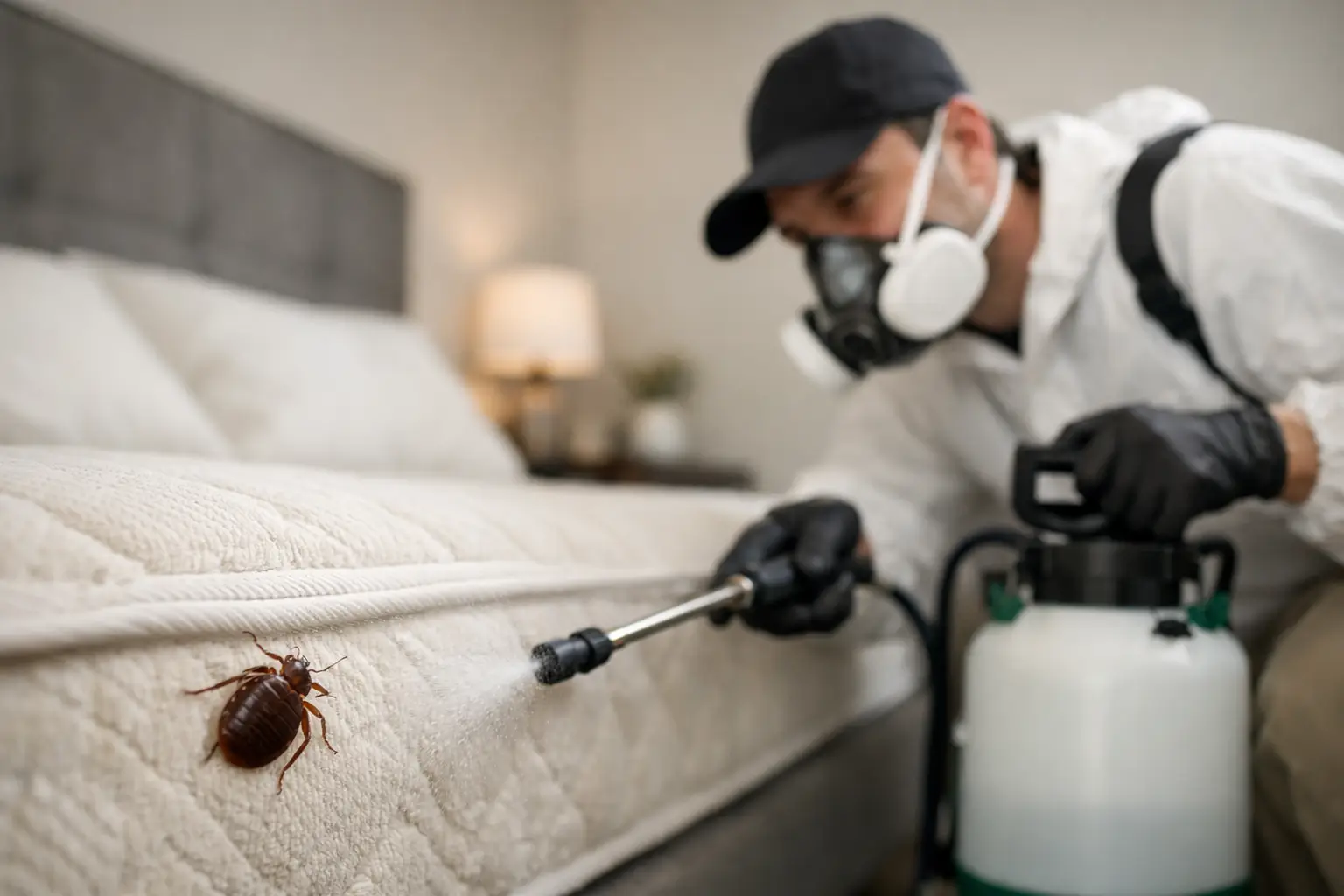
The issue is not that chemicals never kill bed bugs. Some do. The issue is coverage and completeness. Bed bugs hide deep in cracks and protected spaces, and their eggs are especially difficult to eliminate with surface-level applications. If even a small pocket survives, the infestation can come right back.
There is also the timing problem. Chemical programs often require multiple treatments over several weeks. During that time, people are still sleeping in the space, still anxious, and still wondering whether every new mark is a fresh bite. For families, seniors, hospitality operators, and health care environments, that delay can be more than frustrating. It can be disruptive and costly.
This is where many people realize they do not just need treatment. They need resolution.
Heat treatment changes the equation
Professional thermal remediation works differently. Instead of relying on residual chemicals to contact hidden insects over time, industrial heat raises the temperature of the infested area to a lethal range that kills bed bugs and eggs in a single treatment cycle when done properly.
That difference is substantial. Heat penetrates into many of the spaces bed bugs use for shelter, including furniture, cracks, and belongings that are difficult to treat evenly with sprays. When the process is planned and monitored by experienced technicians using commercial-grade equipment, it can deliver a much more complete result, much faster.
For many clients, the biggest advantage is not just effectiveness. It is peace of mind. A non-toxic, eco-friendly treatment that avoids saturating sleeping spaces with chemicals is a better fit for households with children, pets, seniors, and anyone concerned about indoor exposure.
It also reduces the cycle of repeated appointments. You are not stuck waiting through week after week of follow-up while hoping the problem is shrinking. You are addressing it decisively.
When you need more than a household exterminator
Some infestations look simple at first and turn out not to be. A single bedroom issue may already involve a couch, adjacent rooms, luggage, or neighboring units. In rental properties and multi-unit buildings, bed bugs can become a coordination problem as much as a treatment problem.
That is why experience matters. A standard household exterminator may be able to handle common pests, but bed bugs are different. The right provider needs inspection skill, prep guidance, treatment expertise, and the operational capacity to deal with complex settings if the infestation is larger than expected.
This is especially important for property managers, hotels, senior housing, health care facilities, and building stakeholders. In those settings, the cost of getting it wrong is far higher than the cost of acting decisively. Delays can mean more affected rooms, more complaints, more downtime, and more reputational damage.
A specialist such as BC Bed Bug Expert is built for that level of response. That matters when the infestation is not neatly contained to one mattress and one room.
How to judge a home bed bug exterminator before you hire
The most useful question to ask is simple: what method do you use, and why? A confident, experienced provider should be able to explain the process clearly, including inspection, prep expectations, treatment approach, and what results you can realistically expect.
Look for signs of specialization, not vague promises. Bed bugs demand technical knowledge, proper equipment, and clear protocols. If a company sounds generic, offers no real detail, or pushes a spray-first approach without explaining limitations, that is a warning sign.
You should also ask about discretion. Bed bug problems are stressful enough without feeling exposed in front of neighbors, guests, tenants, or staff. Professional service should protect privacy, communicate clearly, and move quickly.
Preparation support matters too. Some companies leave clients overwhelmed with impossible instructions. A better provider gives practical prep guidance and helps reduce the chance of treatment failure caused by avoidable mistakes.
What the treatment process should feel like
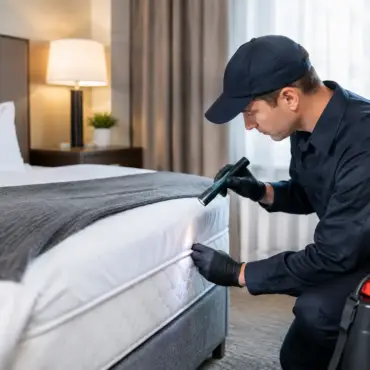
A good bed bug process feels organized, calm, and controlled. First comes confirmation of the issue and the extent of the infestation. Then the provider explains what needs to be done before treatment and what does not. That point is important because panic often leads people to throw away furniture, move infested items through clean areas, or overuse retail pesticides in ways that make the situation worse.
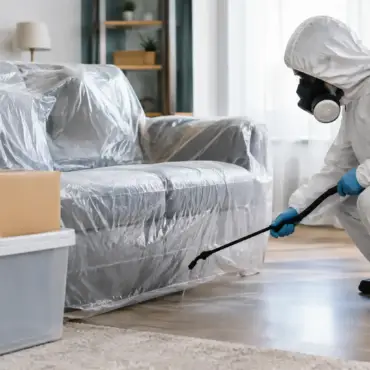
On treatment day, the goal is simple: eliminate bed bugs thoroughly and safely with as little disruption as possible. In a professionally managed heat treatment, technicians use specialized equipment and temperature monitoring to ensure lethal heat reaches the necessary areas. This is not the same as turning up the thermostat or using a few space heaters. It requires technical control.
Afterward, you should know what to expect, what signs are normal, and when to call with concerns. The best companies do not leave clients guessing. They provide reassurance because they know this process is emotional, not just technical.
Cost, speed, and the trade-off people overlook
Some people hesitate at the upfront price of specialized treatment, especially when compared with a cheaper chemical visit. That is understandable. But the lower initial price does not always mean lower total cost.
If a lower-cost method leads to repeated treatments, missed work, lost sleep, thrown-out belongings, tenant turnover, room downtime, or continued spread, it can become the more expensive option quickly. Speed has value. Certainty has value. One-day treatment capability has value.
This does not mean every infestation is identical or every property needs the same scope of work. It depends on the layout, level of activity, occupancy, and whether the issue has spread. But when people compare options honestly, many realize they are not deciding between cheap and expensive. They are deciding between partial control and full elimination.
The best time to call is earlier than you think
Bed bugs rarely improve with waiting. They reproduce, spread through normal movement, and become harder to contain once people start sleeping in multiple rooms, moving belongings, or trying inconsistent treatments.
If you suspect bed bugs, act while the problem is still manageable. Early intervention can reduce the affected area, shorten disruption, and improve the odds of resolving everything in one coordinated effort. That applies to homes, rental units, hotels, senior facilities, and commercial properties alike.
The right home bed bug exterminator should make you feel less overwhelmed from the first conversation. You should come away with a clear plan, a realistic timeline, and confidence that the problem is being handled by people who do this every day.
Bed bugs create stress fast, but they do not have to take over your life or your property. The right treatment, delivered by a true specialist, can stop the cycle quickly and let you get back to sleeping, hosting, managing, or operating without second-guessing every bite, stain, or shadow.