
A bed bug problem can turn a home, hotel room, or care facility into a source of constant stress within days. When comparing thermal treatment versus fumigation, the real question is not simply which method sounds stronger. It is which approach can eliminate every life stage of bed bugs while keeping downtime, exposure, and disruption under control.
For many active infestations, professional heat treatment is the faster, non-toxic answer. Fumigation can be effective in certain situations, but it is a far more involved process that requires extensive preparation, evacuation, and careful clearance procedures. The right choice depends on the property, infestation conditions, and how quickly people need the space back.
How Thermal Treatment Versus Fumigation Works
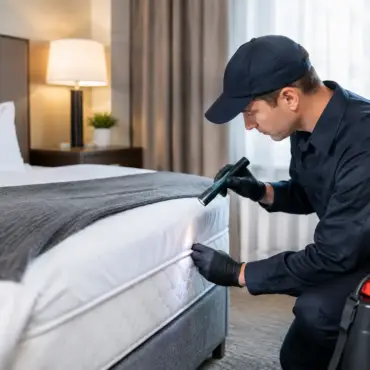
Thermal remediation uses specialized industrial equipment to raise the temperature inside a treatment area to a level that is lethal to bed bugs. Professional technicians place sensors throughout the space, circulate heated air, and monitor temperatures to make sure heat reaches bed frames, furniture, cracks, wall voids, and other hiding areas.
Bed bugs and their eggs cannot survive sustained lethal heat. That egg control matters. A treatment that only kills visible adult bugs can leave an infestation ready to restart when eggs hatch days later. When performed correctly, thermal treatment kills bed bugs at every life stage in a single treatment cycle.
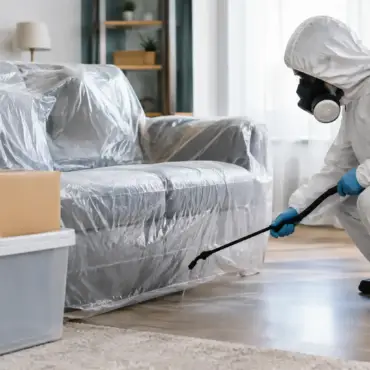
Fumigation works differently. It uses a gas pesticide introduced into a sealed structure or treatment area. The gas must remain at a prescribed concentration for a specific period, then the property must be aerated and tested before occupants can re-enter. Fumigation is generally reserved for situations where other methods are impractical or where a large-scale pest issue requires it.
Both methods require professional planning. Neither is a do-it-yourself solution, and neither works well when preparation instructions are ignored. But their impact on daily life is very different.
Why Heat Is Often the Preferred Bed Bug Treatment
Heat is designed for speed and complete kill. In many residential and commercial settings, treatment can be completed in one day, allowing occupants to return after the space has cooled and the work is complete. That is a major advantage for families, property managers, hotels, and facilities that cannot afford prolonged closures.
Thermal treatment also avoids applying toxic pesticides throughout the treatment area. People often worry about mattresses, clothing, children’s belongings, medical equipment, and upholstered furniture. With heat, many items can remain in place as long as they are safe for treatment and properly arranged to allow airflow. The objective is to treat the infestation without forcing you to throw away the belongings you need.
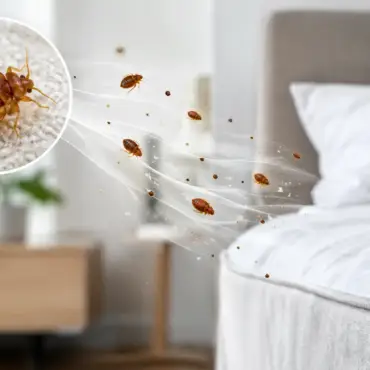
Another advantage is penetration. Bed bugs do not stay conveniently on top of a mattress. They hide behind baseboards, inside furniture joints, under carpet edges, around electrical outlets, and in tiny cracks near where people sleep or rest. Carefully managed heat moves through the entire treatment zone rather than relying on a bug to cross a treated chemical surface.
For multi-unit properties, heat can also be deployed strategically. A specialist can treat affected units, inspect adjacent spaces, and help management reduce the risk of spread through shared walls, hallways, laundry areas, and resident moves. That level of planning is critical. Treating only the unit where someone reported bites may not address the full problem.
The Trade-Offs of Fumigation
Fumigation is not automatically the wrong answer. It can be highly effective when performed by qualified professionals under the right conditions. Yet for bed bugs, it often creates more operational burden than heat treatment.
A fumigation project typically requires occupants to leave for a longer period. Food, medications, plants, pets, and sensitive items may require removal or special handling. The building or designated area must be sealed, warning signs posted, and re-entry delayed until proper aeration and clearance testing are complete. For a hospitality property, health care setting, or seniors housing facility, those logistics can be significant.
Fumigation also does not offer the same convenience for an isolated apartment, a single hotel room, or a vehicle. Sealing and gas management may be impractical, expensive, or unnecessarily disruptive when a focused heat treatment can address the issue more quickly.
There is another point property owners should understand: neither fumigation nor heat creates a permanent shield against a new introduction. Bed bugs can be brought in again through luggage, used furniture, visitors, tenant turnover, or neighboring units. Effective remediation should include inspection, clear preparation guidance, and practical prevention steps after treatment.
Safety and Preparation Matter With Either Method
The safest treatment is one carried out by a trained team that understands bed bug behavior, building conditions, and the limits of its equipment. Heat treatment is non-toxic, but it is still a controlled industrial process. Items that can melt, ignite, or be damaged by high temperatures must be identified before service. Technicians need clear access and enough airflow to heat the space evenly.
Fumigation requires even stricter exclusion procedures because it involves a toxic gas. No person or pet can remain inside during treatment, and re-entry must never be based on guesswork. The property must be cleared by the licensed professionals responsible for the fumigation process.
Preparation is not busywork. It helps treatment reach the places bed bugs hide. Residents may need to reduce clutter, empty or open certain drawers, launder linens, and avoid moving potentially infested belongings into untreated rooms. Property managers may need to coordinate access, notify affected parties discreetly, and arrange inspection of nearby units.
A reputable bed bug specialist will give you a specific preparation plan for your property. Be cautious of any provider promising a quick fix without asking where the infestation was found, how long it has been active, or whether bed bugs may have moved beyond the original room.
Cost, Downtime, and the Risk of Repeat Treatments
The lowest initial price is not always the lowest total cost. Repeated chemical applications, temporary lodging, lost room revenue, staff time, discarded furniture, and recurring tenant complaints can make a seemingly inexpensive approach far more costly over time.
Thermal treatment may have a higher upfront price than a limited spray service, but its value is often in resolution speed. If a professionally managed heat treatment eliminates bed bugs and eggs in one treatment cycle, you avoid waiting through multiple treatment visits and repeated hatching cycles. For a hotel, that can mean restoring a room to service quickly. For a homeowner, it can mean sleeping at home again instead of living out of bags.
Fumigation costs vary widely based on the size and construction of the property, the sealing requirements, and the length of vacancy needed. It may be justified for an unusually complex or extensive situation, but it should be chosen because the conditions call for it, not because it is assumed to be the most aggressive option.
Which Treatment Is Right for Your Property?
Heat treatment is often the best fit when you need a fast, discreet, non-toxic solution for a home, apartment, hotel room, office, vehicle, or defined area of a larger facility. It is especially valuable when protecting furnishings, limiting closures, and killing eggs in the same treatment cycle are priorities.
Fumigation may be considered when the structure, scale of infestation, or other site-specific conditions make it the appropriate professional recommendation. The decision should follow a real inspection, not a generic quote over the phone.
At BC Bed Bug Expert, the focus is not on selling a one-size-fits-all service. It is on identifying where bed bugs are hiding, treating the affected space thoroughly, and giving you a clear path back to normal. If you are weighing thermal treatment versus fumigation, start with a professional assessment and choose the method that gives your property the best chance of being bed bug-free without unnecessary disruption.