
A non toxic bed bug treatment should do more than avoid chemical sprays. It must reach the hidden places where bed bugs live, kill every life stage including eggs, and stop the infestation from returning. That is why professional heat treatment is often the strongest option for homes, apartments, hotels, care facilities, and other properties that need a fast, discreet resolution.
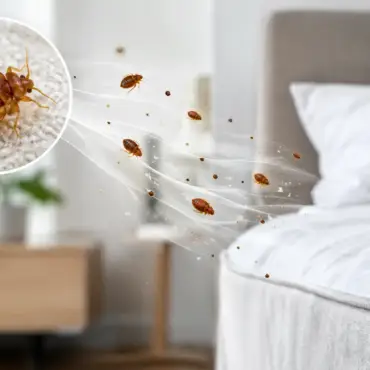
Bed bugs are not a sign of poor housekeeping, but they are a problem that gets more disruptive with time. They hide in mattress seams, bed frames, upholstered furniture, baseboards, wall voids, luggage, and electronics. A treatment that only affects the bugs you can see is not enough.
What Makes a Bed Bug Treatment Truly Non-Toxic?
A non-toxic approach avoids leaving insecticide residue on mattresses, furniture, floors, and belongings. For many households and facilities, that matters. Families may be concerned about children, pets, allergies, or chemical sensitivities. Property managers and hospitality operators may also want to minimize disruption and avoid repeated pesticide applications in occupied spaces.
However, non-toxic does not mean low-effort or ineffective. Bed bugs are exceptionally good at hiding, and their eggs are difficult to eliminate with many consumer products. A real solution needs to address both the visible infestation and the bugs concealed deep inside the room.
Professional thermal remediation does this by raising the temperature of the treated area to a lethal level for bed bugs and eggs. Industrial heaters, fans, temperature sensors, and careful monitoring are used to heat the entire space evenly. The objective is not simply to make a room hot. It is to maintain verified lethal temperatures throughout the places bed bugs use as shelter.
When properly planned and performed, heat can eliminate all stages of bed bugs in one treatment cycle without coating the room in pesticides.
Why Heat Is the Leading Non Toxic Bed Bug Treatment
Heat has one major advantage over most chemical methods: it does not depend on a bug walking through a treated surface after the service. Bed bugs can avoid treated areas, remain hidden in cracks, or develop resistance to certain insecticides. Eggs may survive as well, which can lead to another infestation weeks later.
A professional heat treatment attacks the problem differently. Heat penetrates mattresses, box springs, furniture, cracks, closets, and other areas where bed bugs hide. Technicians use remote sensors to verify that hard-to-reach areas reach the required temperature, while fans circulate heated air to prevent cold spots.
This approach is especially valuable when time matters. A homeowner may need to sleep comfortably again without throwing out furniture. A hotel may need to protect guest confidence and reduce room downtime. A seniors housing or health care facility may need a solution that considers residents, operations, and safety protocols. In each case, repeated spray visits can create a long and frustrating cycle. A properly executed heat treatment is designed to resolve the active infestation quickly.
There are trade-offs. Heat treatment requires professional equipment, trained technicians, and proper preparation. Some heat-sensitive items need to be removed or handled according to the treatment plan. The service can cost more upfront than a single chemical spray, but comparing one heat treatment with several unsuccessful treatments tells a more realistic story. Recurring infestations, lost rental income, discarded belongings, and operational disruption can become far more expensive.
What the Heat Treatment Process Looks Like
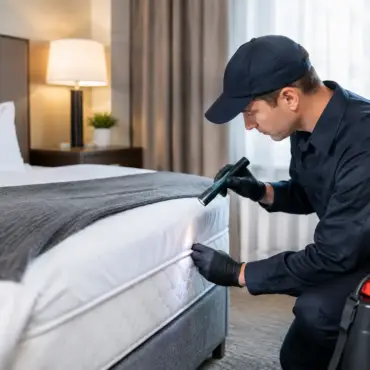
The process starts with a thorough assessment. An experienced bed bug specialist looks for evidence of activity, identifies likely harborages, and determines whether the issue is isolated or may involve adjacent rooms or units. In multi-unit buildings, treating one apartment without considering neighboring spaces can leave the source of the problem untouched.
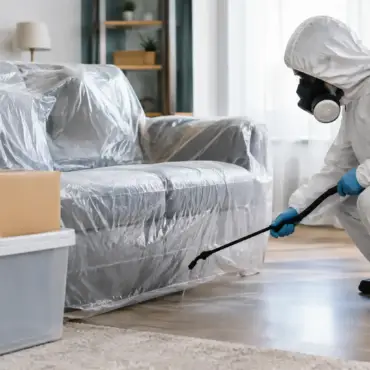
Preparation is the next critical step. Clients receive clear instructions about what to remove, what can stay, and how to make the treatment area accessible. Preparation is not about emptying the entire property or bagging every possession. In fact, unnecessary movement can spread bed bugs to other rooms. The right instructions are specific to the property and treatment plan.
On treatment day, technicians position industrial heating equipment and high-volume fans. Temperature sensors are placed throughout the space, including areas that are difficult to heat. The room is gradually brought to a temperature lethal to bed bugs, then monitored to ensure the heat reaches the required locations for the required duration.
After treatment, the space is allowed to cool and equipment is removed. Most belongings can remain in place, which is a major benefit for people who are afraid they must replace mattresses, sofas, clothing, or other items. Follow-up guidance helps reduce the chance of reintroduction, particularly in apartments, shared housing, and properties with frequent turnover.
Are DIY Non-Toxic Methods Enough?
Some non-toxic methods can help manage a small, confirmed problem, but they rarely solve an established infestation alone. Mattress encasements can trap bed bugs inside a mattress and remove hiding places. Vacuuming can reduce visible bugs and debris when done carefully. Laundering and drying fabrics at high heat can kill bed bugs on washable items. Interceptor devices can help monitor activity around bed legs.
These measures are useful as part of a professional plan. They are not a substitute for whole-room remediation when bugs have spread into furniture, walls, or multiple rooms.
Be cautious with DIY heat attempts. Portable space heaters, hair dryers, steam used incorrectly, and improvised heating setups do not heat a room evenly and can create serious fire or property-damage risks. They also leave cold areas where bed bugs survive. Steam can kill bugs on direct contact, but it does not reliably reach deep inside walls, furniture joints, or cluttered storage areas.
Essential oils, alcohol sprays, foggers, and ultrasonic devices are also commonly promoted as natural solutions. They may repel or kill a few exposed insects, but they do not provide dependable control of eggs and hidden populations. Foggers can even drive bed bugs deeper into walls and adjoining rooms, making professional treatment more difficult.
When a Professional Inspection Matters Most
Not every bite or skin irritation is caused by bed bugs. Fleas, mosquitoes, allergic reactions, and other pests can produce similar symptoms. Bed bugs are confirmed by physical evidence such as live insects, shed skins, tiny pale eggs, dark spotting, or blood marks on bedding.
An inspection is particularly important when the property is a condo, apartment, hotel, care setting, or workplace. Bed bugs can travel through belongings, hallways, shared laundry areas, wall openings, and adjacent units. A narrow response may treat the symptom while missing the route of spread.
Professional expertise also matters when discretion is essential. Bed bug concerns can be stressful for tenants, guests, residents, and staff. The right provider understands how to work efficiently, communicate clearly, and protect privacy while addressing the infestation at its source.
Choosing a Non-Toxic Treatment Provider
Ask direct questions before booking service. Does the provider specialize in bed bugs, or is bed bug work only one of many pest services? Do they use industrial-grade heating equipment and remote temperature monitoring? Will they explain preparation requirements and assess adjacent spaces when the property type calls for it? Can they handle a single residence as well as a multi-unit or commercial remediation?
Experience changes outcomes. Bed bug heat treatment is not simply setting up heaters and waiting. It requires careful airflow management, temperature verification, protection of heat-sensitive items, and an understanding of where bed bugs hide. BC Bed Bug Expert focuses exclusively on this work, providing the specialized planning and field experience that a successful thermal treatment demands.
If you suspect bed bugs, avoid moving furniture, sleeping in another room, or carrying unbagged items to friends and family. Those actions can spread the problem. Preserve any evidence you find, arrange a professional assessment, and choose a treatment that eliminates the infestation without adding unnecessary chemical residue to your space.