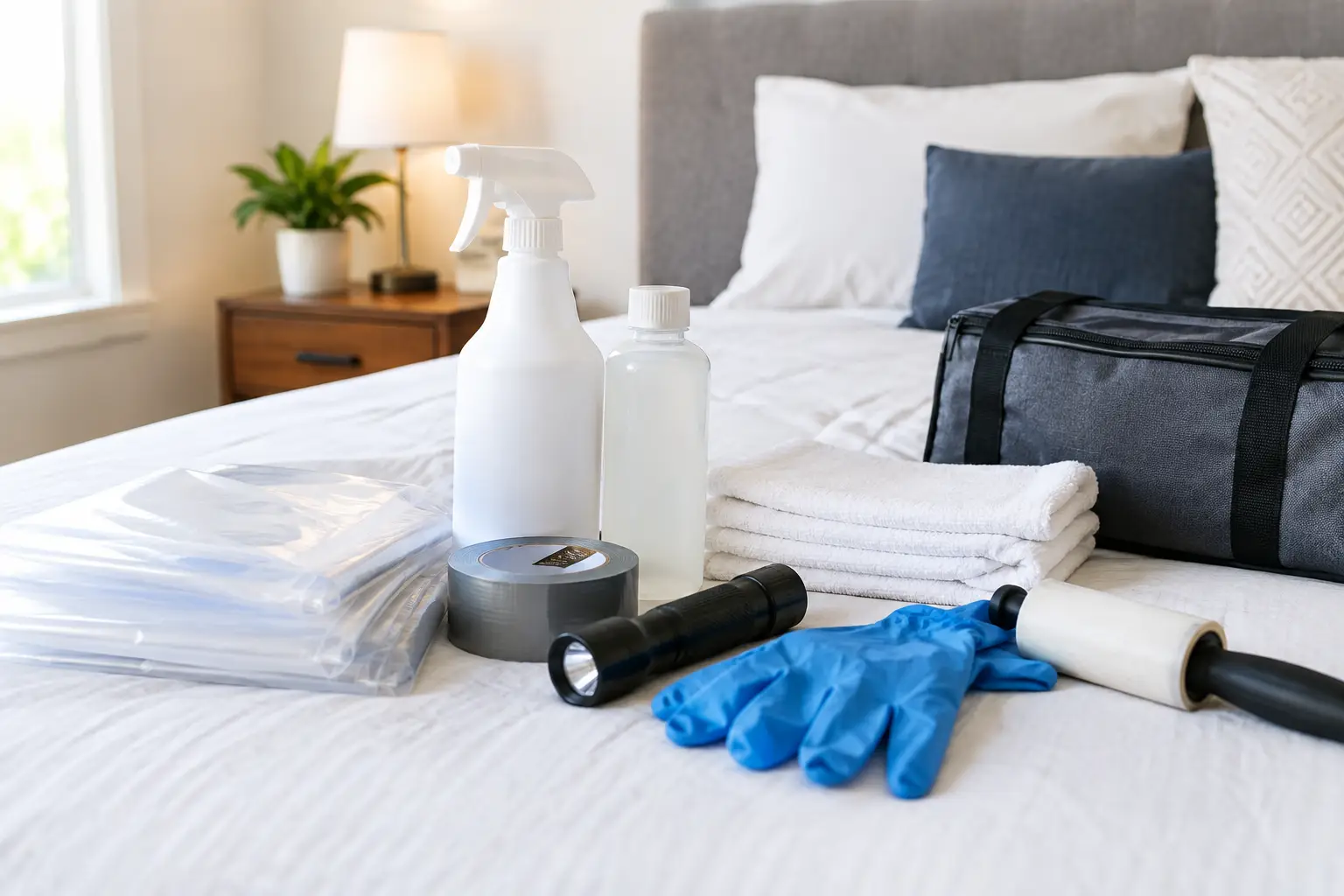
A bed bug treatment can move quickly from stressful to manageable when the preparation is clear. The right essential bed bug preparation supplies help contain potentially infested items, protect belongings that can safely stay, and allow a professional heat treatment to reach the places bed bugs hide. The wrong supplies – or too much preparation – can create more work, spread bugs to new rooms, or delay treatment.
For most homes, apartments, hotels, and care facilities, preparation is not about throwing everything away. It is about following an organized plan designed for the treatment method and the affected space. Industrial heat treatment is especially effective because it targets bed bugs and their eggs in a single treatment cycle, but heat must be able to circulate through the room.
Start With Your Treatment Instructions
Before buying supplies, get instructions from the bed bug specialist performing the work. Preparation requirements vary by property, room layout, infestation level, and treatment method. A single bedroom requires a different plan than a multi-unit building, hotel floor, seniors housing facility, or vehicle.
Do not rely on generic online checklists alone. Some recommendations are written for chemical applications, while others are intended for do-it-yourself attempts. Heat remediation has its own requirements. Certain items may need to be removed because heat can damage them, while other belongings are best left in place so the heat reaches any insects hiding inside.
If you are working with BC Bed Bug Expert, use the preparation guidance provided for your service. Clear instructions prevent last-minute decisions and help the treatment team begin on schedule.
Essential Bed Bug Preparation Supplies for Containment
The goal is simple: move belongings only when necessary, seal them correctly, and keep treated and untreated items separate. You do not need expensive specialty products to do that well.
Heavy-duty plastic bags and sealable storage bins
Large, heavy-duty plastic bags are among the most useful supplies for laundry, linens, clothing, soft toys, and smaller loose items. Choose bags without holes and seal them completely after filling. Label each bag by room and status, such as “clean and heat-dried” or “to be treated,” so items do not get mixed up later.
Clear plastic storage bins with tight-fitting lids are useful for belongings that must be stored temporarily or returned to a room after treatment. They are more durable than bags for paperwork, shoes, electronics accessories, and household items that cannot be washed. Avoid overpacking either bags or bins. Overfilled containers are hard to seal and hard to inspect.
Permanent markers and labels
A permanent marker may seem minor, but it prevents a common preparation mistake: losing track of what has been cleaned, what needs attention, and which room an item came from. Labeling also helps property managers and housekeeping teams coordinate preparation across multiple rooms or units.
Use plain, direct labels. For example, write the room name, the date, and whether the contents are clean, unprocessed, or removed for heat safety. Do not place potentially infested bags in hallways, shared laundry rooms, or another unit unless your treatment professional directs you to do so.
Laundry detergent and dryer-safe bags
Heat from a dryer is a reliable part of preparation for washable fabrics. Bedding, clothing, curtains, and similar items should be bagged before transport to prevent bed bugs from dropping off along the way. Follow the dryer time and temperature instructions given by your specialist, then place cleaned items into fresh sealed bags or bins.
Washing alone is not the key step. The dryer heat is what matters most for bed bugs. For delicate items, dry-clean-only materials, or belongings that cannot tolerate heat, do not guess. Set them aside and ask for specific handling guidance.
Vacuum supplies
A vacuum can remove visible debris, shed skins, and some bed bugs from seams, cracks, bed frames, and floor edges. It is a helpful preparation tool, but it is not a complete treatment. Bed bugs can remain deep in furniture, wall voids, outlets, and other protected areas beyond a vacuum’s reach.
Use a crevice tool if available. Once finished, seal and dispose of the vacuum contents according to your provider’s instructions, preferably outside the living area. Never carry an unsealed vacuum bag through multiple rooms or leave it sitting indoors after vacuuming an infested space.
Supplies That Protect the Room During Heat Treatment
Professional heat treatment is not a reason to empty a room completely. In fact, removing every item can make it harder to treat the infestation thoroughly. Bed bugs often hide in belongings, furniture joints, baseboards, and cracks close to where people sleep or rest.
Your preparation supplies should support access, not turn the home into a storage project. Use bags and bins only for items your provider says to remove, clean, or protect. The treatment team will typically need clear pathways around beds, furniture, closets, and walls so industrial equipment can circulate heated air effectively.
Small hand tools may also be useful if requested, particularly for disassembling bed frames or opening storage furniture. Do not take apart beds, remove outlet covers, or move heavy furniture unless you have been asked to do so. Unnecessary disassembly can damage property, create safety issues, and consume valuable treatment time.
For facilities, a simple room-preparation kit should include bags, bins, labels, markers, detergent, disposable gloves, and written room checklists. The checklist matters because staff turnover and multi-room coordination can cause preventable gaps. A room that looks ready may still contain heat-sensitive medical equipment, aerosol products, live plants, candles, or items stored beneath the bed.
What Not to Buy or Use
An active infestation creates urgency, and that urgency makes expensive “bed bug solutions” appealing. Many are unnecessary, and some can interfere with professional treatment.
Avoid foggers, bug bombs, and over-the-counter pesticide spraying unless a licensed professional has specifically instructed you to use a product. These products can drive bed bugs deeper into hiding, spread them into other areas, leave residues, and create health concerns. They do not provide the controlled, whole-room penetration of professional thermal remediation.
Do not buy mattress encasements as a substitute for treatment. Quality encasements can be useful after an infestation is resolved or as part of an ongoing monitoring plan, but they will not eliminate bed bugs throughout a room or property. The same applies to interceptors and sticky traps. They may help monitor activity, but they are not a cure.
Also skip cardboard boxes whenever possible. Bed bugs can hide in the folds and corrugation, and cardboard is difficult to inspect and seal. Plastic is the better choice for temporary storage.
Preparing Electronics, Medication, and Sensitive Items
Not every item belongs in a heated room. Electronics, medication, medical devices, photographs, cosmetics, wax products, pressurized containers, ammunition, and certain valuables may need special handling. The exact decision depends on the item and the temperatures involved.
Make a written list of sensitive belongings before treatment day. This is particularly important in health care settings, assisted living communities, offices, and hospitality properties where rooms may contain specialized equipment or guest property. Your bed bug professional can identify what should be removed, protected, or evaluated separately.
Do not move sensitive items to an untreated room without direction. A laptop bag, suitcase, wheelchair cushion, or bedside storage item can carry bed bugs to a new location if it is handled casually. Containment and documentation are safer than rushed relocation.
A Better Way to Prepare Without Spreading Bed Bugs
Preparation works best when you move through one room at a time. Keep clean items sealed, keep removed items organized, and avoid carrying loose laundry or clutter through the property. If more than one unit or room is affected, establish a designated clean holding area only after your provider confirms how it should be used.
For renters, notify the property manager promptly and keep records of treatment instructions and preparation steps. For building operators, clear communication is essential. Residents, housekeeping teams, maintenance staff, and front-desk personnel need to know what they are responsible for and what they should not do. Discretion matters, but silence creates delays.
The most valuable supply is not a product at all. It is a precise preparation plan from a bed bug specialist who understands how heat, building layouts, and bed bug behavior work together. Get that plan early, follow it room by room, and you can protect your belongings while giving treatment the best possible chance to end the problem fast.