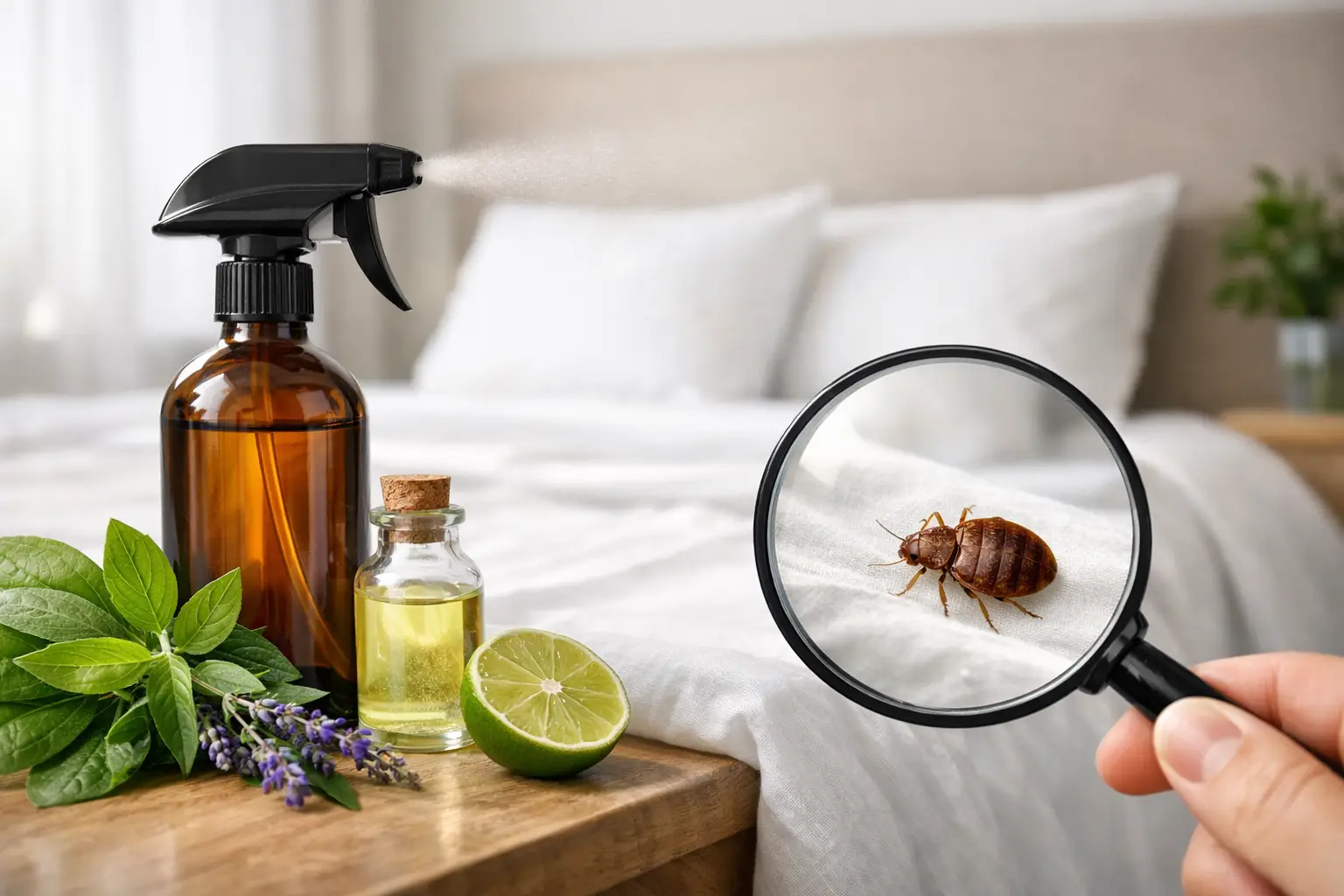
A bed bug problem can make your own home, hotel room, or facility feel impossible to use. An eco friendly bed bug treatment should do more than avoid harsh chemicals. It should eliminate live bed bugs and their eggs quickly, protect the people in the space, and reduce the risk of a frustrating repeat infestation.
For many infestations, professional thermal remediation is the most effective non-toxic option. Instead of relying on repeated pesticide applications that may miss eggs or leave survivors behind, trained specialists use industrial equipment to raise the temperature throughout the treated area to levels bed bugs cannot survive. When the process is planned and monitored correctly, heat can resolve an infestation in a single treatment cycle.
Why Bed Bugs Are Hard to Eliminate
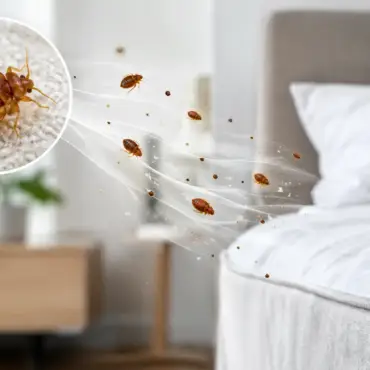
Bed bugs are not a cleanliness issue. They travel in luggage, furniture, clothing, delivery items, vehicles, and shared building spaces. Once inside, they hide in places most people would never think to inspect: bed frames, baseboards, upholstered furniture, electrical areas, wall voids, seams, and cracks near where people rest.
Their eggs are a major reason do-it-yourself treatments and limited chemical spraying often fail. A product may kill exposed bugs but leave eggs intact. The remaining eggs hatch later, and the infestation appears to return even though it was never fully eliminated.
This is also why throwing away a mattress is rarely a complete solution. Bed bugs can be living in the room, not just the bed. Replacing furniture before the infestation is properly treated can create unnecessary expense and may even spread bed bugs to other areas during removal.
How Eco Friendly Bed Bug Treatment With Heat Works
Thermal remediation uses carefully controlled heat to treat the entire infested space. Professional heaters, fans, sensors, and remote temperature monitoring equipment work together to circulate heated air and verify that lethal temperatures reach the areas bed bugs use for shelter.
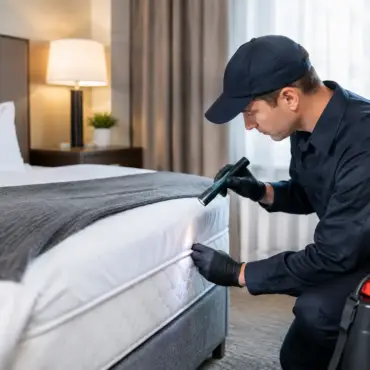
The goal is not simply to make a room hot. Effective treatment requires experienced setup, air movement, temperature monitoring, and attention to hidden spaces. Heat must reach behind furniture, inside cracks, around the bed, and into the areas where eggs may be attached. Specialists may reposition items and use targeted methods to address insulated or difficult-to-reach locations.
Bed bugs and eggs cannot survive sustained lethal heat. Unlike many chemical programs, a properly performed heat treatment does not depend on bugs crossing a treated surface days later. That is why heat is especially valuable when speed matters, such as before guests arrive, when a tenant needs relief, or when a facility cannot tolerate weeks of repeated service visits.
The Benefits of a Non-Toxic Approach
An eco-friendly approach is not about choosing a weaker option. It is about using a method that solves the infestation without introducing unnecessary pesticide residue into bedrooms, living spaces, guest rooms, senior housing, health care environments, or vehicles.
Professional heat treatment offers several practical advantages:
- It kills bed bugs at every life stage, including eggs.
- It can often be completed in one day, depending on the size and complexity of the treatment area.
- It avoids repeated chemical applications in the occupied space.
- It can treat furniture, mattresses, clothing, and personal belongings that would otherwise be costly to replace.
- It is discreet and well suited to homes, apartments, hotels, offices, care facilities, and multi-unit properties.
For families, the benefit is peace of mind. For hospitality operators and property managers, it is operational control. A fast, thorough response can reduce room downtime, tenant complaints, reputation concerns, and the chance that bed bugs spread into adjoining units.
What “Eco Friendly” Does and Does Not Mean
Eco friendly does not mean placing essential oils around a bed or relying on a store-bought spray. Many consumer products make appealing claims, but they may not reach hidden bed bugs or destroy eggs. Some products can also drive bugs deeper into walls, furniture, or nearby rooms, making the infestation more difficult to treat.
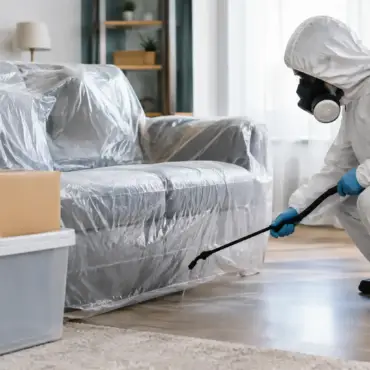
It also does not mean every property can be treated with heat without planning. Certain heat-sensitive belongings, medications, candles, pressurized containers, plants, and electronics may need to be removed, protected, or handled according to specific preparation instructions. A qualified bed bug specialist will explain what stays, what moves, and what needs special attention before treatment day.
The right approach depends on the property and the scope of the infestation. A single bedroom requires a different plan than an apartment building, hotel floor, ambulance, or seniors housing facility. In multi-unit buildings, inspection and adjacent-unit evaluation are often just as important as treating the unit where bites were first reported.
Preparation Makes Treatment More Effective
Heat is powerful, but preparation still matters. Clutter can create insulated hiding areas and slow down heat penetration. If a room is heavily packed with belongings, the technician may need more time to create safe airflow and ensure the treatment reaches the entire space.
You should never start moving belongings through the building or taking potentially infested items to another home without guidance. That can spread bed bugs. Instead, follow a clear preparation plan that addresses laundry, clothing, personal items, furniture access, pets, and heat-sensitive materials.
For residents under stress, prep support can make a major difference. The best treatment plan is one people can realistically complete. For commercial and institutional properties, preparation also needs coordination: access schedules, room turnover, staff communication, resident privacy, safety requirements, and documentation all need to be considered before equipment arrives.
Why Experience Matters With Thermal Remediation
Thermal remediation is not a matter of renting heaters and hoping for the best. Poorly managed heat treatment can leave cool spots where bed bugs survive, damage sensitive belongings, or create unnecessary disruption. The equipment matters, but the operator’s experience matters more.
A specialized provider should understand bed bug behavior, perform a detailed inspection, establish the treatment boundaries, monitor temperatures throughout the process, and verify the work after treatment. In complex properties, the provider should also know how to plan for adjoining units, common areas, turnover schedules, and the movement of people and belongings.
BC Bed Bug Expert has focused exclusively on bed bug elimination since 2010, using industrial-grade thermal remediation for residences and complex commercial environments. That specialization matters when the problem needs to be handled quickly, discreetly, and without guesswork.
When Heat May Need Added Measures
Heat is highly effective, but honest recommendations should account for real-world conditions. A large infestation in a multi-unit building may require inspection beyond the originally reported room. A unit with ongoing introductions from another untreated area may need building-wide coordination. In some cases, targeted follow-up measures or monitoring can be appropriate to protect against reintroduction.
The key distinction is between a treatment failure and a new exposure. Bed bugs can be brought back from travel, visitors, adjacent units, used furniture, or workplace and transit exposure. A thorough inspection and a clear post-treatment plan help identify whether the original infestation was eliminated or whether bed bugs have been introduced again.
Act Before the Problem Spreads
Waiting rarely makes bed bugs easier to manage. They reproduce, spread through shared walls and belongings, and create more disruption over time. Early professional inspection is especially valuable if you have unexplained bites, dark spotting on bedding, shed skins, live insects near sleeping areas, or a confirmed report in a neighboring unit.
A discreet, eco-friendly treatment plan can protect your home, your guests, your residents, and the belongings you worked hard to keep. The sooner the infestation is identified and treated correctly, the sooner the space can feel like yours again.