
A freshly treated room can look clean, quiet, and completely normal – then a few weeks later, bites return. That is why people ask, can bed bug eggs survive extermination? They can survive some treatment approaches, especially when products do not reach every hiding place or when follow-up treatment is missed. But eggs are not indestructible. A properly planned professional heat treatment is designed to kill bed bugs at every life stage, including eggs, in a single treatment cycle.
For homeowners, tenants, and property managers, that difference matters. An infestation is stressful enough without wondering whether the problem is merely paused. The right extermination method addresses the insects you see, the eggs you cannot see, and the hidden areas where a new infestation can begin.
Why Bed Bug Eggs Can Be Hard to Eliminate
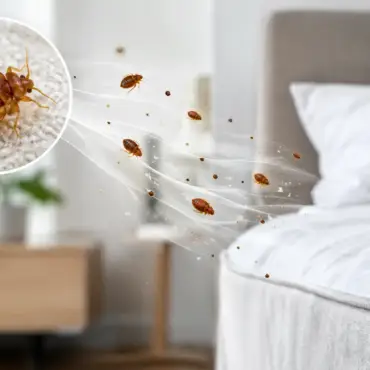
Bed bug eggs are tiny, pale, and often cemented into protected cracks. A female may place them along mattress seams, bed frames, baseboards, upholstered furniture, behind wall fixtures, inside drawers, or in the narrow gaps around flooring. In multi-unit housing, they may also be present in adjacent units or shared wall voids.
Their location is the real challenge. Eggs do not have a magical resistance to all extermination, but they can be sheltered from treatments that depend on direct contact. If an insecticide is applied only along visible seams and baseboards, eggs tucked into a deeper gap may receive little or no exposure. When those eggs hatch, the infestation appears to have returned.
Eggs also do not hatch all at once. Under favorable conditions, they can hatch in roughly a week to 10 days. That timing is one reason many conventional chemical programs require multiple visits. The first service may kill active bed bugs, while later visits aim to kill newly hatched nymphs before they mature and lay more eggs.
Can Bed Bug Eggs Survive Extermination With Chemicals?
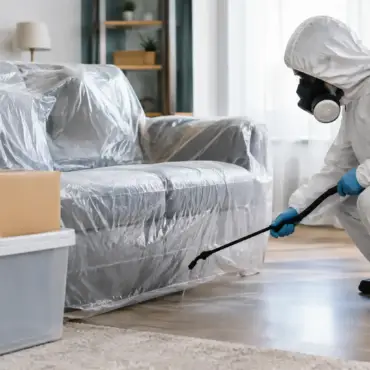
It depends on the product, the application, the infestation layout, and whether the program includes properly timed follow-up visits. Some professional products can affect eggs under certain conditions, but egg control is often the weak point of chemical-only treatment. Many products work best when a bed bug walks through a treated area or when the product directly contacts the insect. Neither outcome is guaranteed for eggs hidden in inaccessible spaces.
This does not mean chemical treatment never works. It can be appropriate in certain situations, particularly as part of an integrated plan. However, it usually demands patience, preparation, monitoring, and repeat service. Residents or staff may also need to avoid treated areas temporarily and follow instructions carefully.
For a family trying to return to normal quickly, or a hotel protecting guest rooms and its reputation, repeated cycles can create frustrating uncertainty. A missed crack, a poorly treated neighboring unit, or a delayed follow-up can extend the disruption.
Why Professional Heat Treatment Kills Eggs
Thermal remediation takes a different approach. Instead of relying on a bed bug to contact a chemical residue, professional equipment raises the temperature throughout the treatment space to a lethal range for bed bugs and their eggs. Industrial heaters, high-volume fans, temperature sensors, and active monitoring are used to move heated air into the hard-to-reach places where bed bugs hide.
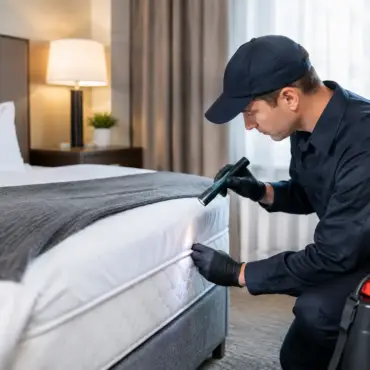
The goal is not simply to make a room feel hot. Effective bed bug heat treatment requires technicians to monitor conditions throughout the space, including cooler areas that can otherwise become survival zones. Bed frames, furniture, closets, wall edges, and dense belongings all require attention because they absorb and block heat differently.
When the required lethal temperature is reached and held long enough, heat kills adults, nymphs, and eggs. There is no waiting for eggs to hatch before the treatment can work. This is why properly executed thermal remediation can provide one-day elimination rather than a series of treatments stretched across weeks.
At BC Bed Bug Expert, thermal remediation is performed with industrial-grade equipment and a treatment plan built around the specific room, home, vehicle, unit, or facility. That level of control is what separates professional heat from trying to heat a space with household heaters, which can create fire risks, damage belongings, and still leave cool areas where bed bugs survive.
What Makes Heat Treatment Succeed or Fail
Professional heat treatment is highly effective, but it is not a shortcut that ignores preparation. Bed bugs can hide in crowded rooms, packed closets, cluttered storage areas, electronics, and tightly stacked belongings. Technicians need safe access and adequate airflow so heat can reach the locations that matter.
Before treatment, clients are given clear preparation instructions. These may include removing heat-sensitive items, securing medications and personal products, reducing unnecessary clutter, and making furniture accessible. Do not discard beds, sofas, or clothing unless a trained specialist tells you to do so. Throwing away belongings often adds expense and can spread bed bugs through hallways, elevators, dumpsters, or other rooms.
Preparation requirements vary by property. A single-family home, a senior living suite, a hotel room, and an occupied apartment building each need a different operational plan. In multi-unit properties, inspection and communication are just as important as the treatment itself. If activity is moving between units, treating only the most obvious room may not solve the larger problem.
Common Reasons Bed Bugs Appear After Treatment
A bed bug sighting after extermination does not automatically mean eggs survived. There are several possible explanations, and identifying the right one prevents wasted time and money.
Sometimes the insect was brought back in after treatment through luggage, visitors, used furniture, workplace exposure, or an untreated neighboring unit. In other cases, a person finds an old dead bed bug, shed skin, or stain and understandably assumes the infestation is active. These signs can remain after successful treatment.
A true treatment failure can occur when an area was not included, a severe infestation extended beyond the identified rooms, or a do-it-yourself approach did not reach hidden harborages. In apartments, condos, and commercial facilities, unaddressed adjacent spaces can be a major factor. Bed bugs do not respect lease lines, room numbers, or department boundaries.
That is why post-treatment guidance and a clear inspection process matter. If you see a suspected bed bug after service, capture it if possible, avoid moving items to other rooms, and contact the treatment provider promptly. Fast identification is more useful than spraying random products or moving to a different bedroom.
Do Not Try to Kill Eggs With Household Heat
It is understandable to want an immediate fix, but portable space heaters, hair dryers, steam used without training, and turning up the thermostat are not dependable whole-room solutions. Household devices cannot reliably heat the interior of furniture, wall gaps, and other protected areas to lethal levels for the required time.
They can also create serious risks. Excessive heat can damage electronics, melt plastics, affect finishes, trigger sprinklers, or cause a fire. Steam can kill bed bugs on direct contact when used correctly, but it has limited reach and can push bed bugs deeper into hiding if used poorly. It is a targeted tool, not a substitute for a full professional treatment plan.
When to Call a Bed Bug Specialist
Call for professional help as soon as you have a confirmed bed bug, repeated unexplained bites, dark spotting around sleeping areas, or a tenant, guest, or resident report that needs prompt evaluation. Early action usually means fewer affected items, less disruption, and a simpler treatment scope.
For hospitality properties, health care settings, senior housing, and multi-unit buildings, speed and discretion are operational necessities. A specialist can help determine whether the issue is isolated, identify likely spread pathways, and plan treatment with minimal downtime and appropriate privacy.
You should not have to sleep in uncertainty while waiting to see whether hidden eggs hatch. A thorough inspection and professionally monitored heat treatment give you a clear path back to a bed bug-free space – without relying on repeated sprays or throwing away the belongings you need.