A bed bug problem does not leave much room for trial and error. When people compare steam vs heat bed bug treatment, they usually want the same answer: which option will kill the infestation completely without repeated appointments, harsh chemicals, or having to throw away everything they own?
Steam and professional heat both use high temperatures to kill bed bugs. The difference is not simply how hot each method gets. It is about reach, consistency, speed, and whether the treatment can eliminate hidden bugs and eggs throughout the affected space. For a small, visible area, steam can be useful. For an established infestation in a home, apartment, hotel room, care facility, or multi-unit building, industrial thermal remediation is typically the more complete solution.
Steam vs Heat Bed Bug Treatment: The Core Difference
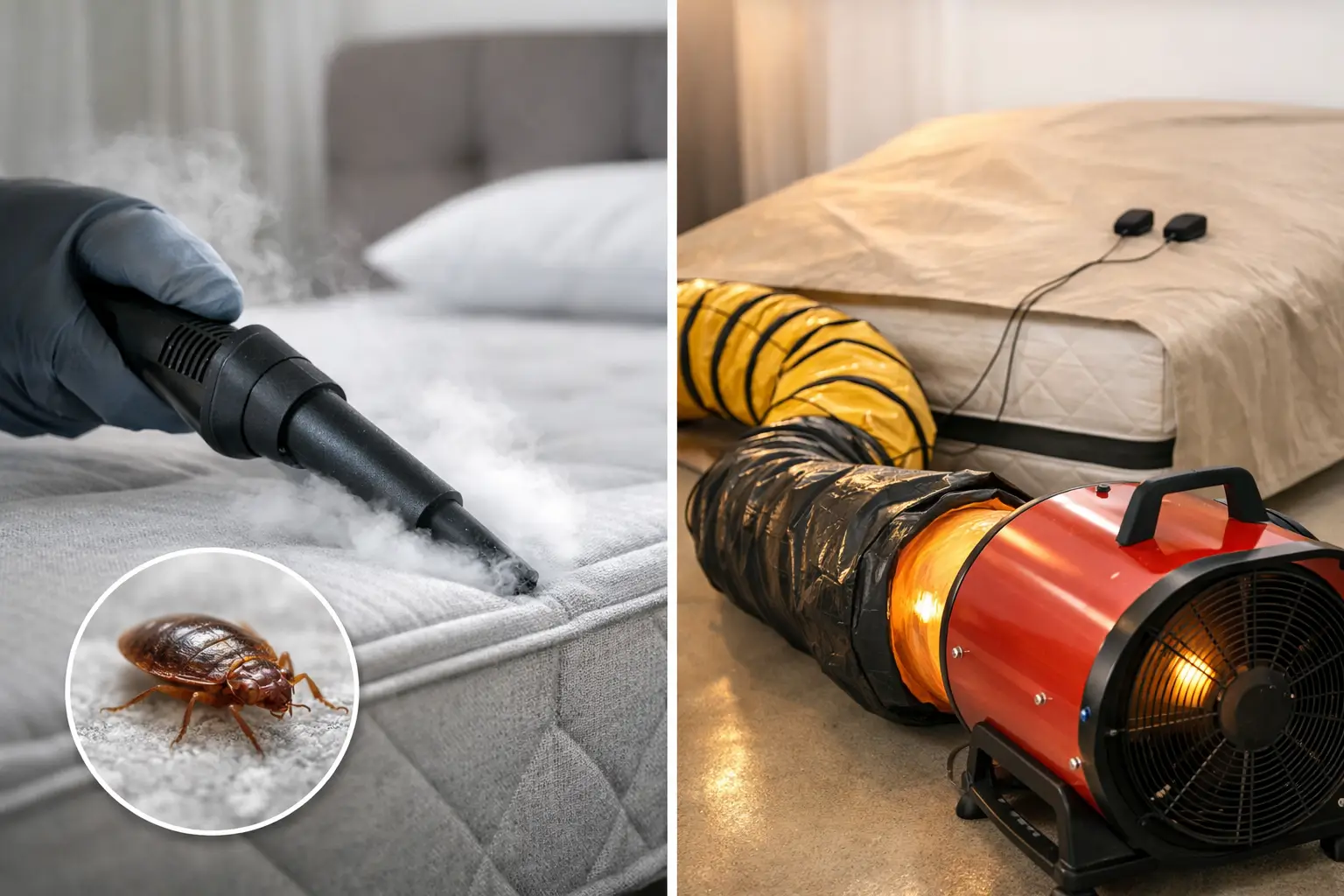
Steam treatment applies intense heat directly to a surface. A technician moves a commercial steamer slowly over areas where bed bugs may be hiding, such as mattress seams, bed frames, upholstered furniture, baseboards, cracks, and carpet edges. Properly applied steam can kill bed bugs and eggs on contact.
Whole-room heat treatment works differently. Specialized equipment raises the ambient temperature of a room or structure to a lethal level for bed bugs, including the eggs. High-powered heaters and fans circulate heated air through the treatment area while trained technicians monitor temperatures in multiple locations. The goal is to heat the entire infested environment, not just the places where bugs are visible.
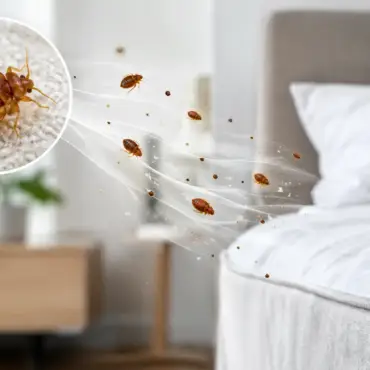
That distinction matters because bed bugs are experts at hiding. They can shelter behind wall hangings, inside furniture joints, under flooring edges, in electrical areas, behind baseboards, within luggage, and in the seams of items people would never think to inspect. A treatment method must reach those spaces consistently to stop the infestation from returning.
When Steam Treatment Can Be Effective
Steam has a legitimate role in bed bug control, especially when used by an experienced professional as part of a larger plan. Because it delivers lethal heat at the point of contact, steam can be valuable for treating specific items and detailed areas that need close attention.
For example, steam may be used on mattress seams, upholstered chairs, sofa crevices, box springs, bed frames, and other surfaces where bugs or eggs are suspected. It is also a non-toxic option, which appeals to families, senior housing facilities, and properties trying to minimize chemical exposure.
However, steam is highly dependent on technique. The nozzle must be moved at the right pace, kept at the correct distance from the surface, and directed into likely hiding places. Move too quickly and the area may not reach a lethal temperature. Hold the tool incorrectly and steam can damage delicate materials, introduce excess moisture, or fail to penetrate where bed bugs are concealed.
Steam also has limited reach. It cannot reliably heat the inside of walls, deep voids, thick furniture, or broad areas filled with clutter. If a bed bug is hiding just beyond the steam path, it may survive. That is why steam alone can be difficult to rely on when the infestation has spread beyond one clearly defined item.
Why Professional Heat Treatment Reaches More of the Infestation
Professional heat treatment is designed for the reality of bed bug behavior. Rather than chasing individual insects with a handheld tool, thermal remediation treats the room as a system. Industrial heaters raise temperatures throughout the space, while high-volume fans move air around furniture, through room layouts, and into difficult areas.
Bed bugs and their eggs die when exposed to sufficient heat for the required time. During a professional treatment, technicians do not simply turn on heaters and leave. They place temperature sensors throughout the area, monitor the process, adjust airflow, and reposition contents as needed to address cooler zones. This active management is what separates controlled thermal remediation from improvised heat attempts.
The result is broader coverage in a single treatment cycle. Properly performed whole-room heat can treat beds, furniture, clothing, shoes, luggage, electronics, books, and many other belongings without requiring residents to discard them. That can save significant money and stress, particularly when an infestation affects multiple rooms or an entire unit.
For hotels, apartment buildings, health care settings, and senior living communities, speed is another major advantage. Heat treatment can often restore an affected room or unit far faster than a long cycle of chemical applications. Reduced downtime helps protect occupancy, tenant confidence, and operational continuity.
The Limits of DIY Heat and Consumer Steamers
A consumer steamer can be helpful for limited surface treatment, but it is not a substitute for a professionally planned eradication. Bed bugs may be scattered well beyond the mattress, even when bites first appear near the bed. Missing a few hidden females or eggs can restart the infestation.
DIY room-heating methods create additional risks. Portable heaters, space heaters, and other unapproved equipment can create fire hazards, damage belongings, and heat a room unevenly. A room can feel very hot while protected areas behind furniture, inside wall voids, or near the floor remain below lethal temperatures.
Professional thermal remediation uses purpose-built equipment, controlled airflow, continuous monitoring, and trained decision-making. Technicians know how to prepare rooms, protect heat-sensitive items, identify potential cool spots, and maintain conditions long enough to achieve effective results. That level of control is essential when the goal is complete elimination rather than temporary relief.
Which Treatment Is Best for Your Situation?
The right choice depends on the extent of the infestation and the type of property involved. Steam may be appropriate as a targeted tool for a small, localized concern or as a supplement to another professional treatment. It can be especially useful for direct work on certain furniture pieces and detailed surfaces.
Heat is generally the stronger option when there is evidence of an active infestation in a bedroom, apartment, hotel room, vehicle, or multiple connected areas. It is also well suited to situations where people need a rapid, discreet, non-toxic solution and cannot wait through weeks of repeated treatments.
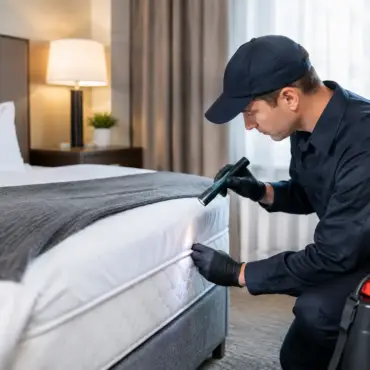
A professional inspection is the best place to start. Bed bug signs can be subtle, and bites alone do not confirm an infestation. A trained specialist can look for live bugs, shed skins, eggs, spotting, and likely travel paths before recommending the scope of treatment.
Safety, Preparation, and What to Expect
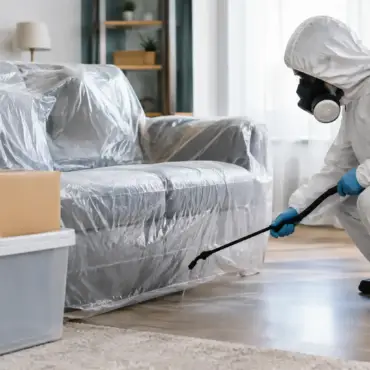
Both steam and heat require preparation, but whole-room heat treatment requires more detailed planning because the entire treatment area will be brought to high temperatures. Residents may need to remove or protect certain heat-sensitive belongings, including aerosols, candles, medications, some cosmetics, plants, and particular electronics or vinyl items. A qualified provider gives clear instructions before treatment and can often offer prep support when the process feels overwhelming.
People and pets must leave the treatment area during professional heat remediation. Once the process is complete and the space has cooled, the room can usually return to normal use quickly. This is one reason thermal treatment is attractive for households and businesses that need resolution without leaving chemical residues behind.
For multi-unit buildings, the treatment plan may also include inspecting adjacent units or identifying migration risks. Bed bugs can move through shared walls, hallways, utility pathways, and belongings. Treating one room without understanding the larger situation can leave a property vulnerable to reinfestation.
Do Not Let a Small Problem Become a Larger One
Bed bugs rarely stay confined to one mattress or one piece of furniture. They spread when people delay action, move infested belongings, sleep in another room, or rely on incomplete treatments. The earlier the infestation is identified and treated correctly, the easier it is to protect your home, tenants, guests, residents, or business reputation.
BC Bed Bug Expert specializes in industrial heat treatment for homes, multi-unit properties, hospitality settings, care facilities, vehicles, and complex remediation projects. The focus is straightforward: eliminate bed bugs and eggs in one professionally managed treatment cycle whenever the situation calls for complete thermal remediation.
If you are deciding between steam and heat, think beyond the bug you can see. The treatment that matters most is the one that reaches the bugs you cannot see yet – before they have the chance to spread further.