
The treatment crew has left, the heat equipment is gone, and the first question is usually the same: what to do after bed bug treatment? The answer matters. A properly completed thermal treatment can eliminate bed bugs and their eggs in a single treatment cycle, but your next steps help protect that result, reduce stress, and make it easier to identify any issue early.
Do not rush to wash, spray, discard, or rearrange everything. Follow the instructions given for your specific property first. Treatment plans can differ between a single-family home, apartment, hotel room, care facility, vehicle, or multi-unit building.
Wait for the all-clear before re-entering
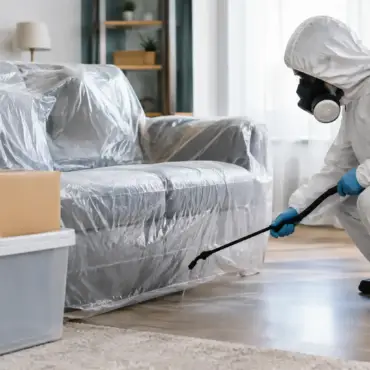
Re-enter only when your technician tells you the space is safe to occupy. During thermal remediation, industrial heaters raise the treatment area to temperatures lethal to bed bugs. The process is carefully monitored, but rooms need time to cool down and equipment must be removed before normal use resumes.
Once you are cleared to return, open windows only if your technician recommends it. Ventilation may make the space more comfortable, but it is not a substitute for the controlled cooling process or final inspection. If a room still feels unusually hot, has an electrical concern, or contains an item you are unsure about, contact the treatment provider before using it.
For hotels, housing operators, and health care facilities, keep staff and occupants out of treated rooms until the approved re-entry time. Clear communication prevents someone from moving furniture, bringing in linens, or disrupting the area before it is ready.
Put the room back together carefully
After a heat treatment, it is normal for furniture, bedding, and stored items to look different from the way you left them. Technicians may move items to allow heat to circulate through hiding places such as bed frames, sofas, baseboards, drawers, and cracks near the sleeping area.
You can return belongings to their usual places once the room is cleared, but avoid immediately creating new clutter. Bed bugs thrive where there are many undisturbed hiding spots. Keep the floor and areas around beds accessible for the next few weeks, especially in bedrooms and living rooms where people rest for long periods.
Do not throw away mattresses, couches, clothing, or other belongings simply because they were in an infested room. Heat treatment is designed to treat the room and the contents within it. Unnecessary disposal is expensive, emotionally draining, and can spread bed bugs through common hallways, elevators, garbage rooms, or neighboring units if items are moved without proper precautions.
Wash bedding only when it makes sense
Clean sheets and fresh bedding can provide peace of mind after treatment, but do not assume every textile must be washed again. If bedding, clothing, curtains, or soft goods were prepared and treated according to instructions, they may already be safe to use.
If you do wash items, use the dryer correctly. High dryer heat is what kills bed bugs, not the wash cycle alone. Dry items on the highest heat setting the fabric can safely tolerate, then place clean items in sealed bags or bins if your technician has advised temporary containment.
For households, the practical approach is to make the bed with clean bedding and avoid piling clothing or bags on it. For hospitality properties, use freshly laundered linens under your established housekeeping protocol, then document when the room was returned to service. In a multi-unit property, consistency matters: one unit following the plan while another moves untreated belongings through the building can complicate monitoring.
Do not use insecticides or foggers on your own
After a professional heat treatment, homeowners sometimes feel tempted to add sprays, bug bombs, essential oils, or diatomaceous earth “just in case.” This can create more problems than it solves.
Foggers do not reliably reach the tight hiding areas bed bugs use. Sprays can leave residues on mattresses, furniture, and floors, and some products may interfere with a provider’s monitoring plan. Excess powder can be irritating when applied incorrectly and does not replace a complete treatment.
If you see a bug after service, do not react by treating the whole room yourself. Capture it if possible using clear tape, a sealed bag, or a small container. Take a clear photo and contact your bed bug specialist for guidance. Accurate identification is more useful than panic-driven pesticide use.
Sleep in your usual room unless instructed otherwise
It may feel impossible to sleep in the room where bed bugs were found. Still, moving to a couch, guest room, or another unit can be counterproductive. Bed bugs follow people because people are their food source. Changing sleeping locations may encourage any surviving insect or newly introduced bed bug to spread into another area.
Continue using your bed normally unless your technician gives different instructions. Keep the bed slightly separated from walls if recommended, do not let blankets touch the floor, and minimize items stored underneath. These simple habits make inspections easier and reduce convenient routes into the bed.
This advice can vary for commercial properties, seniors housing, hospitals, and rooms with vulnerable occupants. In those settings, occupancy decisions should be coordinated with facility leadership and the treatment provider. Safety and operational requirements always come first.
Monitor without inspecting obsessively
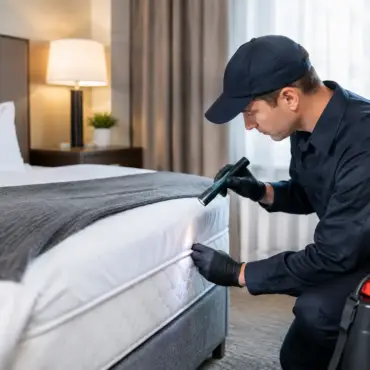
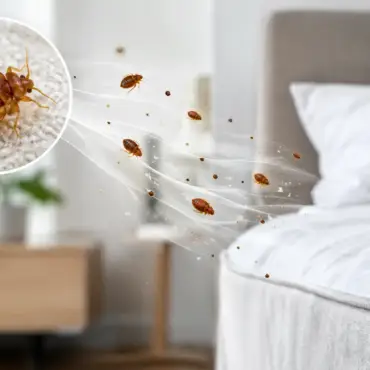
Seeing no immediate activity is encouraging, but bed bug monitoring is not a one-night test. After treatment, watch for signs in the places where people sleep or sit regularly: live insects, shed skins, small dark spotting, or unexplained bites. Mattress seams, bed frames, upholstered furniture, and nearby baseboards are common areas to check.
At the same time, avoid turning your home into a daily crime scene. Bed bug bites alone cannot confirm an active infestation. Skin reactions vary widely, and new marks can appear days after a bite. Other insects, skin conditions, and everyday irritation can look similar.
A measured check once or twice a week is usually more useful than repeatedly dismantling furniture. Interceptor-style monitors may be recommended around bed legs in some situations. Property managers should maintain a clear log of reported signs, room numbers, inspection dates, and actions taken. Good records help distinguish a new report from a continuing issue and support a faster response.
Understand why a follow-up may still be recommended
A professional follow-up does not automatically mean treatment failed. It is part of responsible bed bug management, particularly in apartments, hotels, shelters, health care settings, and other properties where people and belongings move frequently.
Heat treatment can kill all life stages present in the treatment zone when it is performed correctly. However, bed bugs can be reintroduced from an adjacent unit, visitor belongings, luggage, secondhand furniture, or an untreated area. In multi-unit buildings, the source may not be limited to the first room where bed bugs were discovered.
Report concerns promptly, especially if you find a live insect. Do not wait weeks hoping the problem will disappear. BC Bed Bug Expert can assess the evidence, review the treated area, and advise whether the finding calls for monitoring, an inspection, or additional action.
Protect the result when bringing items home
The period after treatment is a good time to tighten up the habits that most often lead to reintroduction. Inspect used furniture before bringing it indoors, be cautious with curbside items, and keep luggage off beds when returning from travel. In hotels, use a luggage rack positioned away from the bed and inspect the mattress seams and headboard area before unpacking.
For tenants and building operators, report suspected bed bugs early and privately. Delay is what turns a contained concern into a wider building issue. Bed bugs are not a sign of poor housekeeping, and fast reporting is the responsible choice.
If you share walls, hallways, laundry rooms, or common furnishings with others, avoid moving potentially affected belongings between spaces without direction. A coordinated response protects residents, staff, and neighboring units far better than isolated do-it-yourself efforts.
When to call your treatment provider
Contact your provider immediately if you find a live bed bug, notice recurring signs in the same area, or believe an untreated item may have been brought back into the space. Also call if you are uncertain about a post-treatment instruction. It is far better to ask before applying a product, discarding furniture, or moving to another room.
A successful treatment should leave you with a clear plan, not a lingering sense that you have to manage the problem alone. Give the space time, follow the post-treatment directions, and let evidence – not anxiety – determine the next move.