
A bed bug infestation can turn a bedroom, guest room, apartment, or care facility into a source of constant stress. Thermal remediation for bed bugs offers a direct answer: professionally controlled heat that reaches the places bed bugs hide and kills adults, nymphs, and eggs in a single treatment cycle.
For people who are tired of washing everything, throwing out furniture, or waiting through repeated chemical applications, heat treatment can be the fastest path back to normal. The difference is not simply turning up the thermostat. Effective remediation requires industrial equipment, careful temperature monitoring, detailed preparation, and technicians who know how heat moves through a real room.
How thermal remediation for bed bugs works
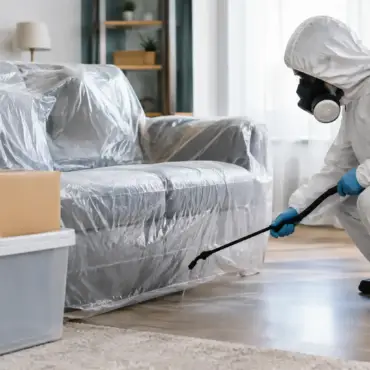
Bed bugs die when they are exposed to lethal temperatures for the required amount of time. During a professional heat treatment, technicians place high-output heaters and powerful air movers throughout the treatment area. The equipment raises the temperature of the room and its contents to a level that is lethal to bed bugs while circulating hot air into cracks, furniture, baseboards, closets, and other harborages.
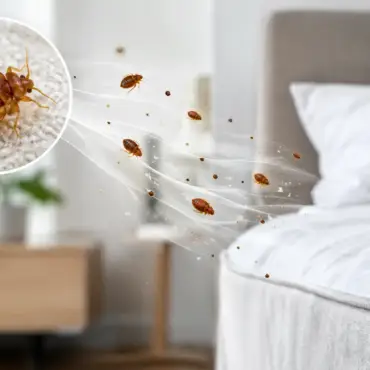
The goal is to heat the entire treatment zone evenly, not just make the air feel hot. Bed bugs are skilled at finding protected spaces. They can live in bed frames, upholstered furniture, electrical areas, luggage, wall voids, and clutter near a sleeping or resting area. A treatment works when the heat reaches those hiding places and is held there long enough.
Technicians use sensors placed throughout the space, including difficult-to-heat areas, to track temperatures during the process. This monitoring is what separates professional thermal remediation from improvised heat attempts. Rooms have cool spots. Dense furniture, concrete, exterior walls, and crowded storage areas can all absorb heat differently. Air movement, equipment placement, and real-time adjustments are essential.
When performed correctly, thermal remediation kills bed bugs at every life stage, including eggs. That is a major advantage over approaches that may kill visible insects but leave eggs behind to hatch later.
Why one-day heat treatment matters
A bed bug problem can escalate quickly when treatment is delayed or incomplete. In a single-family home, that may mean more bites, more laundry, and more anxiety. In an apartment building, hotel, senior living community, or health care setting, it can mean complaints, disrupted operations, reputational damage, and the risk of spread into adjacent rooms or units.
Heat treatment is designed to resolve the active infestation quickly. Most standard room or home treatments can be completed in one day, allowing occupants to return after the area has cooled and been cleared for reentry. The exact timing depends on the size of the treatment area, layout, contents, and severity of the infestation, but it is generally far less disruptive than repeated treatment visits over several weeks.
It also prevents the unnecessary disposal of many belongings. Mattresses, upholstered chairs, clothing, books, and luggage do not automatically need to go to the curb because bed bugs were found nearby. With the right preparation and a properly managed heat treatment, many items can be treated in place.
Heat treatment versus chemical bed bug treatment
Chemical treatments can have a role in certain pest control programs, especially when heat is not practical for a specific location or when follow-up work is needed in a complex property. But for an active bed bug infestation, chemicals often require multiple applications and depend heavily on bed bugs crossing treated surfaces.
That creates a difficult timeline. Eggs may survive an initial application. Some bed bug populations show resistance to common insecticides. Residents or staff may also be concerned about pesticides in bedrooms, guest spaces, health care environments, or areas used by children and older adults.
Thermal remediation uses no toxic chemical residue. It works by heating the infestation itself, rather than waiting for bed bugs to encounter a product. This is particularly valuable for clients seeking a non-toxic solution and for properties where speed, discretion, and minimal downtime matter.
That said, heat is not a shortcut that can be handled casually. A poorly planned treatment can leave cooler zones where bed bugs survive. It can also put heat-sensitive possessions at risk. Professional inspection, preparation guidance, and temperature control are part of the treatment, not optional extras.
What preparation looks like before bed bug heat treatment
Preparation is one of the most important parts of a successful treatment. Your provider should give clear, property-specific instructions well before equipment arrives. The instructions may vary for a house, condominium, hotel room, office, vehicle, or multi-unit building.
In general, occupants need to remove or protect items that cannot tolerate high heat. This can include aerosol cans, candles, live plants, some medications, certain cosmetics, wine, ammunition, heat-sensitive electronics, and items made with wax or vinyl. Pets must be removed from the treatment area, along with aquariums and their inhabitants.
Clutter deserves special attention. Bed bugs use clutter as cover, and tightly packed belongings can block airflow. You do not need to empty your home or discard everything. In fact, moving infested items through a building without a plan can spread bed bugs. Instead, follow the preparation instructions exactly and ask questions before relocating anything.
For larger facilities, the preparation process may involve coordination with housekeeping, maintenance, site management, or clinical staff. A specialist should help identify treatment boundaries, access requirements, sensitive equipment, resident communication needs, and the safest way to keep operations moving.
When thermal remediation is the right choice
Heat is an excellent option for many active infestations, but the scope should match the problem. A single bedroom may need focused treatment when the infestation is found early. A larger home may require several rooms if bed bugs have spread through shared furniture, laundry areas, or sleeping spaces.
In multi-unit housing, treating only one apartment is not always enough. Bed bugs can travel through hallways, utility penetrations, shared walls, furniture movement, and resident belongings. Inspection of neighboring units and a coordinated treatment plan may be needed to avoid a cycle of reinfestation.
Hospitality properties and care environments need another level of planning. A fast treatment can protect guests, residents, and staff, but discretion and operational control are equally important. Treatment scheduling, room turnover, documentation, inspection protocols, and preventive monitoring all affect the outcome.
Vehicles can also be treated with heat when bed bugs are suspected in personal cars, taxis, ride-share vehicles, transport vans, or fleet vehicles. The same principle applies: the treatment area must be heated evenly and monitored carefully, including seats, seams, floor areas, and storage compartments.
Signs you need a professional inspection first
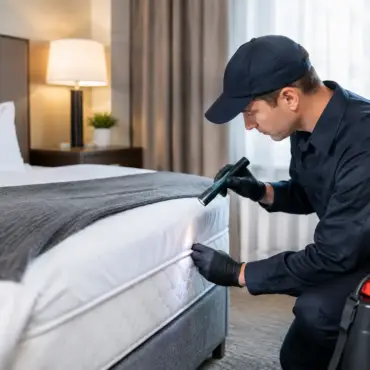
Not every unexplained bite is caused by bed bugs. Skin reactions vary widely, and bites alone cannot confirm an infestation. Look for more reliable indicators: live bugs, pale shed skins, tiny white eggs in protected seams, dark spotting on mattresses or furniture, or recurring signs near places where people sleep or rest.
An expert inspection is especially valuable when you live in a multi-unit building, manage a facility, recently traveled, purchased secondhand furniture, or have already tried do-it-yourself products without results. Early identification can keep the treatment smaller, less disruptive, and less expensive.
BC Bed Bug Expert approaches heat treatment as a specialized remediation process, not a general pest control add-on. That matters because bed bugs demand precise inspection, controlled equipment setup, informed preparation, and an understanding of how infestations spread across different property types.
A fast solution still needs a prevention plan
Thermal treatment eliminates the bed bugs in the treated area, but it cannot prevent a new introduction from luggage, visitors, used furniture, or an untreated neighboring unit. After treatment, keep beds slightly away from walls where practical, reduce unnecessary clutter around sleeping areas, inspect secondhand furnishings before bringing them inside, and respond quickly to any new signs.
For property managers and operators, prevention also means having a clear reporting process. Staff and residents should know whom to contact, what not to move, and how to preserve evidence for inspection. Calm, prompt action is far more effective than blame or secrecy.
If you suspect bed bugs, do not wait for the problem to become visible in every room. A discreet professional inspection and a properly planned heat treatment can replace weeks of uncertainty with a clear, non-toxic path forward.