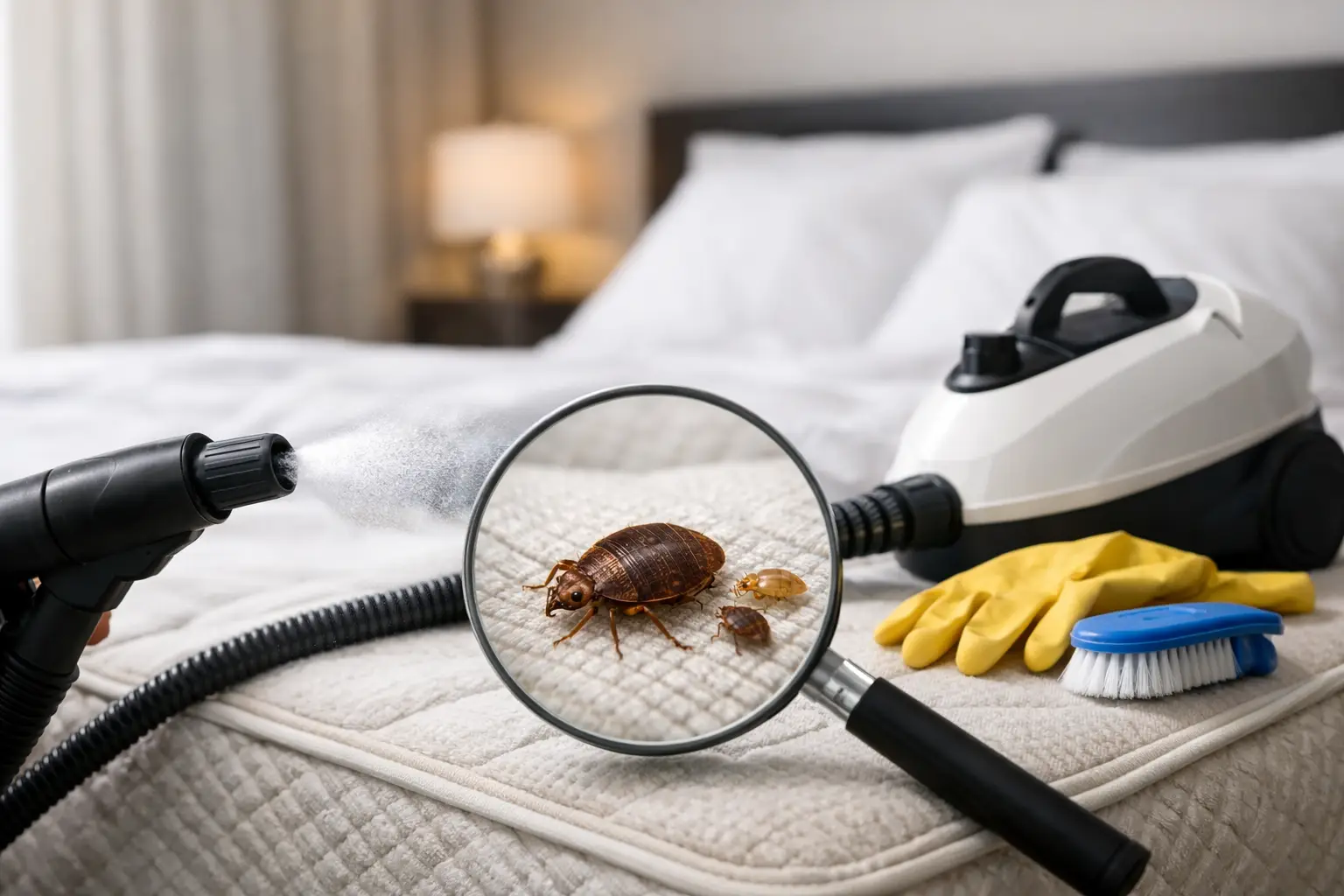
Waking up with new bites after washing sheets, spraying furniture, or throwing away a mattress is more than frustrating. It usually means the infestation was never fully addressed. Knowing how to eliminate bed bugs completely means treating every life stage – adults, young bed bugs, and eggs – while preventing survivors from spreading to another room, unit, or property.
Bed bugs are not a sign of poor housekeeping. They are expert hitchhikers that can arrive in luggage, used furniture, shared laundry areas, staff belongings, resident rooms, and vehicles. Once established, they hide in places most people never think to inspect: bed frames, baseboards, electrical outlets, upholstered chairs, curtain folds, luggage seams, and cracks around flooring.
Why Bed Bugs Keep Coming Back
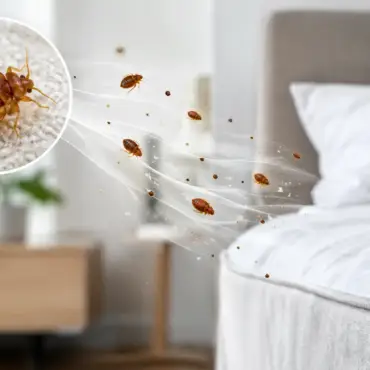
A visible bed bug is rarely the entire problem. Adult bed bugs can hide in gaps as thin as a credit card, and eggs are small, pale, and easy to miss. A treatment that kills only the bugs you see may leave eggs or hidden insects behind to restart the infestation days or weeks later.
This is why repeated over-the-counter sprays often create a cycle of temporary relief followed by new activity. Many products do not reach deep hiding areas, some bed bug populations have developed resistance to common insecticides, and improper use can drive bugs farther into walls, adjacent rooms, or neighboring units.
Foggers are especially risky. They can expose people and pets to unnecessary chemicals without penetrating the cracks where bed bugs live. They may also scatter the infestation, making professional treatment more complex and more expensive.
Complete elimination requires a method that reaches the places bed bugs hide and achieves temperatures or treatment conditions lethal to every life stage.
How to Eliminate Bed Bugs Completely With Heat
Professional thermal remediation is one of the most dependable ways to eliminate an active bed bug infestation in a single treatment cycle. Industrial heaters raise the temperature throughout the treated space to a level that is lethal to bed bugs and eggs. High-powered fans circulate the heat, while trained technicians monitor temperatures in difficult areas to ensure the treatment reaches the entire target zone.
Unlike surface spraying, heat can penetrate mattresses, box springs, furniture, clothing, cracks, and other common harborages. It is also non-toxic, which matters for households with children, pets, seniors, sensitive individuals, and anyone who does not want pesticide residue on beds or belongings.
A properly planned heat treatment is not simply turning up the thermostat or using a space heater. Professional equipment, temperature sensors, air movement, and experienced setup are essential. Some materials require protection or removal before treatment, and certain spaces need targeted planning to avoid heat loss or damage. The goal is controlled, even heat – not guesswork.
For a single-family home or apartment, treatment can often be completed in one day. For hotels, health care facilities, seniors housing, multi-unit buildings, and larger commercial properties, the process may involve staged treatments, coordinated access, adjacent-unit inspections, and operational planning to contain the issue without disrupting more of the property than necessary.
Start With a Thorough Inspection
Before any treatment, confirm where bed bugs are active and how far they may have traveled. Bites alone are not enough for a diagnosis. Skin reactions vary, and many other insects or conditions can cause similar marks.
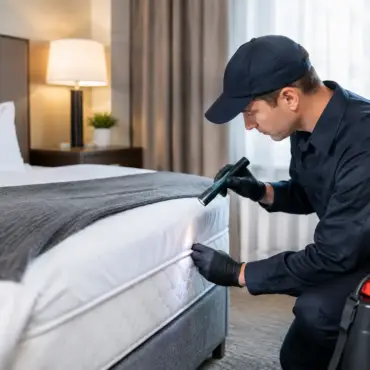
A professional inspection looks for live bugs, shed skins, eggs, dark spotting, and likely travel paths. In a home, that includes sleeping areas, nearby furniture, and frequently used seating. In a multi-unit building, the inspection may extend to adjoining units, shared walls, common areas, laundry rooms, and maintenance pathways.
This step matters because treating only the room where bites occurred can miss the real source. In apartments, hotels, care settings, and dorm-style housing, bed bugs can move through wall openings, utility lines, hallways, carts, and personal belongings. Fast, discreet identification helps stop a small issue from becoming a building-wide problem.
Preparation Makes Treatment More Effective
Preparation is not about stripping a home bare or throwing away everything you own. In fact, moving infested items through hallways, elevators, or other rooms without containment can spread bed bugs. Most belongings can be treated and saved.
Follow the preparation instructions provided for your specific treatment. Usually, residents need to remove heat-sensitive items, secure medications and important documents as directed, make beds and furniture accessible, and avoid moving loose belongings into untreated areas. Clothing, linens, and fabrics may need to be bagged, dried on high heat when appropriate, or left in place for thermal treatment depending on the plan.
Do not start spraying pesticides, applying powders, or using essential oils immediately before professional service unless you are specifically instructed to do so. These products can interfere with inspection, push bugs deeper into hiding, and create safety concerns.
Property managers and facility operators should also plan access, resident communication, room turnover, and staff responsibilities in advance. Clear instructions reduce confusion, protect privacy, and help treatment proceed on schedule.
What to Do on Treatment Day
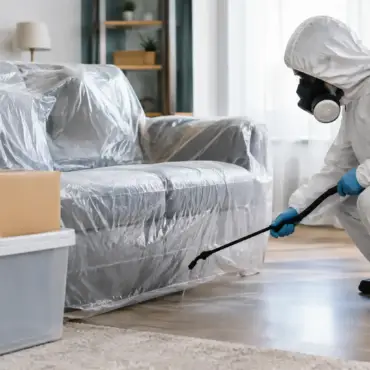
During a professional heat treatment, people and pets must leave the treatment area. Technicians place specialized heaters and fans, monitor temperatures throughout the space, and adjust equipment as needed to eliminate cold spots. The work is methodical because a single protected hiding place can matter.
When treatment is complete and the area has cooled, belongings can generally remain in place. This is a major advantage over the disruption of repeated chemical applications or replacing furniture unnecessarily. A trained team will provide re-entry guidance and explain any post-treatment steps based on the property and treatment scope.
For hospitality, health care, or multi-unit properties, discretion is part of the process. The right provider can coordinate treatment around occupancy, staff workflow, resident needs, and reputation-sensitive operations. Bed bugs require urgency, but they do not require panic or public disruption.
Prevent a New Introduction After Treatment
Elimination and prevention are different jobs. A successful treatment removes the current infestation, but bed bugs can always be brought in again from travel, visitors, deliveries, used furnishings, or neighboring spaces. Prevention lowers that risk.
Use mattress and box spring encasements where appropriate, inspect hotel rooms before unpacking, keep luggage off beds and upholstered furniture when traveling, and inspect used furniture carefully before bringing it indoors. In multi-unit properties, train maintenance and housekeeping teams to report signs promptly rather than treating them as a private resident issue.
If you live in an apartment or manage a shared property, report suspected activity early. Waiting because of embarrassment gives bed bugs time to spread. Early, confidential action is usually less disruptive and less costly than a delayed response.
When Professional Help Is the Right Move
DIY methods may be reasonable for prevention and for handling a single suspected item before it enters a home. They are far less reliable once bed bugs are established in sleeping areas, furniture, multiple rooms, or connected units. If bites continue, you find live bugs, or you are managing a property where one affected room could impact others, specialized treatment is the practical choice.
BC Bed Bug Expert focuses exclusively on bed bug elimination, using industrial-grade heat treatment, inspection, preparation support, and remediation planning for homes, vehicles, hospitality properties, health care facilities, and full buildings. That level of specialization matters when the goal is not to reduce activity, but to end it.
You do not need to discard your furniture, expose your family to repeated chemical treatments, or wait for the problem to grow. Preserve a sample or take a clear photo if possible, avoid moving items between rooms, and arrange a professional inspection promptly. A fast, carefully managed response can give you back a bed, a home, or a property that feels safe again.