
A bed bug sighting can turn a normal evening into a scramble to wash everything, move furniture, or sleep somewhere else. That reaction is understandable, but the first priority is to contain infestation before extermination. Smart containment limits where bed bugs can travel, protects other rooms or units, and gives your treatment team the best chance of eliminating the problem in one coordinated visit.
Containment is not the same as trying to solve the infestation yourself. Bed bugs are expert hitchhikers. A rushed attempt to clean, discard belongings, or spray every surface can push them deeper into walls, furniture, vehicles, hallways, and neighboring units. The goal is to stop the spread while arranging a professional inspection and effective treatment.
Why Containment Comes Before Treatment
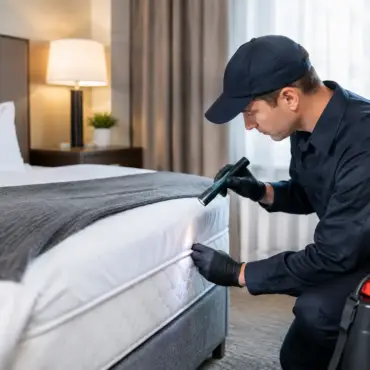
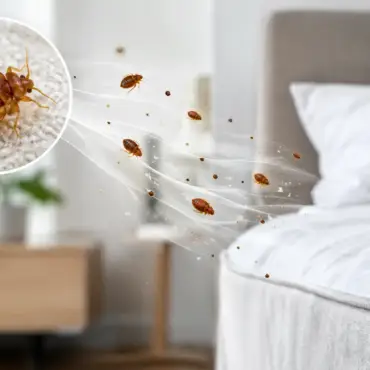
Bed bugs do not stay neatly inside a mattress. They can hide in bed frames, upholstered furniture, baseboards, electronics, luggage, curtains, and small cracks near where people rest. When disturbed, they often move to a new hiding place instead of disappearing.
That is why a contained infestation is faster and less disruptive to treat than one that has been carried through the property. For a homeowner, containment can prevent a bedroom problem from becoming a whole-home problem. For a hotel, care facility, apartment building, or housing provider, it can reduce the risk of complaints, vacancy, lost revenue, and unnecessary exposure in adjacent spaces.
The trade-off is that containment requires discipline. You may need to avoid moving belongings until you receive specific preparation instructions. It can feel counterintuitive when you want to clean immediately, but keeping potentially affected items controlled is far better than distributing them throughout the building.
How to Contain Infestation Before Extermination
Start by treating the affected area as a controlled zone. Keep personal belongings from moving freely between that space and other rooms. If you need to remove washable items, place them directly into sealed bags before carrying them through the property. After laundering and drying items according to their care labels, place clean items in fresh sealed bags or bins until treatment is complete.
Do not carry loose clothing, blankets, backpacks, laundry baskets, or storage items into another bedroom, a vehicle, or a shared common area. A single item with a hidden bed bug or egg can create a second infestation. This matters especially in multi-unit housing, where a problem can spread through resident movement as well as through structural gaps.
Keep sleeping arrangements stable when possible
Many people respond to bites by immediately sleeping on a sofa, in a guest room, or at a relative’s home. Unfortunately, this can spread bed bugs to the new location. If it is safe and practical to do so, continue using the same sleeping area while you arrange inspection and treatment.
Avoid moving an infested mattress, bed frame, or upholstered chair to another room, garage, curb, or storage locker. Do not donate or sell suspected items. Bed bugs can survive for extended periods without feeding, and abandoned furniture can create a problem for someone else.
If a qualified inspector confirms that a mattress or box spring needs an encasement, use an encasement designed for bed bugs and keep it fully closed. However, do not assume an encasement alone will resolve an active infestation. It is one containment tool, not a complete treatment.
Reduce clutter without spreading it
Clutter gives bed bugs more places to hide, but aggressively clearing a room can make the infestation harder to control. Do not move piles of belongings from an affected room into a hallway, basement, car, or another bedroom.
Instead, ask your treatment provider how to handle specific items. In many cases, belongings can be bagged, treated, or prepared in place. A clear preparation plan tells you what must be removed, what can remain, and how to keep clean items separate from potentially affected ones.
Protect shared walls and common areas
If you live or work in a multi-unit building, notify the property manager or facilities contact promptly. Bed bugs can travel between units through wall openings, utility pathways, shared furnishings, and resident traffic. Early reporting is not an admission of fault. It is the responsible step that allows the property to inspect nearby areas and prevent a larger issue.
Property managers and operators should document reports, coordinate inspections, and give occupants clear instructions that protect privacy. Vague notices and inconsistent preparation standards create confusion. A specialized bed bug plan should identify affected rooms, adjacent risk areas, access needs, and a treatment schedule that minimizes disruption.
What Not to Do While You Wait for Treatment
Avoid do-it-yourself tactics that scatter bed bugs or create safety risks. Total-release foggers are particularly unreliable for bed bugs because the insects hide in cracks where aerosol products may not reach. Foggers can also drive bugs into new areas and leave pesticide residue where people, pets, patients, or guests live.
Do not use rubbing alcohol, gasoline, kerosene, or other flammable household substances on furniture or bedding. These methods are dangerous and do not provide dependable elimination. Random over-the-counter sprays can also interfere with professional inspection by killing a few visible bugs while leaving eggs and hidden populations behind.
Resist the urge to throw out everything. Replacing furniture is expensive, stressful, and often unnecessary. With properly planned thermal remediation, many belongings can be treated safely in the home or facility. Discarding items without wrapping and labeling them can also spread bed bugs through elevators, hallways, dumpsters, and pickup vehicles.
Prepare for Professional Heat Treatment
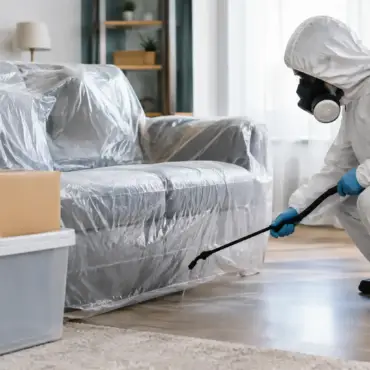
Thermal remediation works by raising the temperature of the treated space to levels that eliminate bed bugs at every life stage, including eggs. Unlike repeated chemical applications, a properly executed heat treatment can address the entire active infestation in a single treatment cycle. That speed depends on industrial equipment, careful monitoring, and preparation that allows heat to circulate through the room.
Before treatment, your provider should give you a property-specific checklist. Heat-sensitive items, medications, aerosols, candles, certain electronics, plants, pets, and items that cannot tolerate elevated temperatures may need special handling or removal. Do not guess. The right preparation varies by property type and the materials in the space.
A qualified specialist will also need access to beds, closets, furniture, and likely hiding areas. Follow the instructions exactly, but avoid over-preparing. Moving furniture apart, bagging textiles, or emptying drawers may be required in some situations, while other items may be treated in place. The best plan is the one designed for your inspection findings and treatment method.
BC Bed Bug Expert provides preparation guidance alongside industrial heat treatment so clients are not left trying to make critical decisions under pressure. For homes, hospitality properties, care environments, vehicles, and larger buildings, professional coordination is what turns containment into a complete resolution.
When the Situation Needs Immediate Escalation
Arrange professional help quickly if you have confirmed live bed bugs, bites occurring in multiple rooms, visible spotting around beds or furniture, repeated activity after chemical treatments, or signs that the issue may involve adjoining units. Facilities should escalate immediately when the affected area involves vulnerable residents, patient rooms, guest accommodations, staff break areas, or shared transportation.
Discretion matters, but silence can make a manageable infestation much larger. An experienced bed bug specialist can inspect, confirm the source, define the treatment area, and explain how to protect people and operations without creating unnecessary alarm.
The most useful thing you can do right now is simple: keep suspected bed bugs and belongings from traveling, avoid disruptive DIY measures, and get a clear treatment plan from a specialist. Fast action does not mean frantic action. It means taking the controlled steps that keep one difficult room from becoming a much bigger problem.