A successful treatment should bring relief, not leave you waiting for the problem to return. The best ways to avoid bed bug reinfestation come down to two things: preventing new bed bugs from entering the property and responding immediately if there is any sign they may be back. That matters whether you are protecting a family home, a rental unit, a hotel room, a senior living facility, or an entire multi-unit building.
Bed bugs do not return because a property is unclean. They are skilled hitchhikers. They can be carried in luggage, clothing, used furniture, delivery items, visitor belongings, and equipment moving between rooms or units. Prevention is practical, not perfect. A few disciplined habits can greatly reduce your risk and help you catch a new issue before it becomes another infestation.
Start With a Complete, Professional Treatment
Reinfestation and treatment failure are not the same thing. If live bed bugs appear soon after treatment, the first question is whether every life stage was eliminated and whether all affected areas were addressed. Eggs, hidden harborages, neighboring units, and untreated belongings can all complicate the situation.
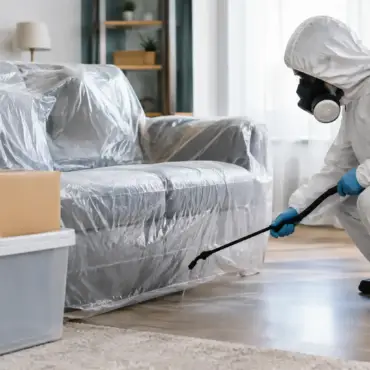
That is why the treatment method matters. Industrial thermal remediation is designed to heat the entire treatment area to temperatures lethal to bed bugs and eggs, including those concealed in cracks, furniture, beds, and other difficult spaces. Unlike repeated spot chemical applications, a properly planned heat treatment addresses the full life cycle in one treatment cycle without leaving pesticide residue throughout the space.
Preparation also matters. Follow every pre-treatment instruction closely, especially directions about laundry, clutter reduction, heat-sensitive items, and items that must remain in the treated room. Moving belongings out without guidance can spread bed bugs into other areas. When in doubt, ask your bed bug specialist before relocating anything.
Best Ways to Avoid Bed Bug Reinfestation at Home
After treatment, you do not need to live in fear or throw away everything you own. You do need a clear prevention routine that makes new bed bugs easier to spot and harder to establish.
Protect beds and upholstered furniture
Your bed is the most useful place to monitor because bed bugs prefer to stay close to where people rest. Use mattress and box-spring encasements designed for bed bugs when recommended by your treatment provider. These encasements reduce hiding places and make inspections simpler. Keep beds slightly away from walls where practical, and avoid allowing blankets or bed skirts to touch the floor.
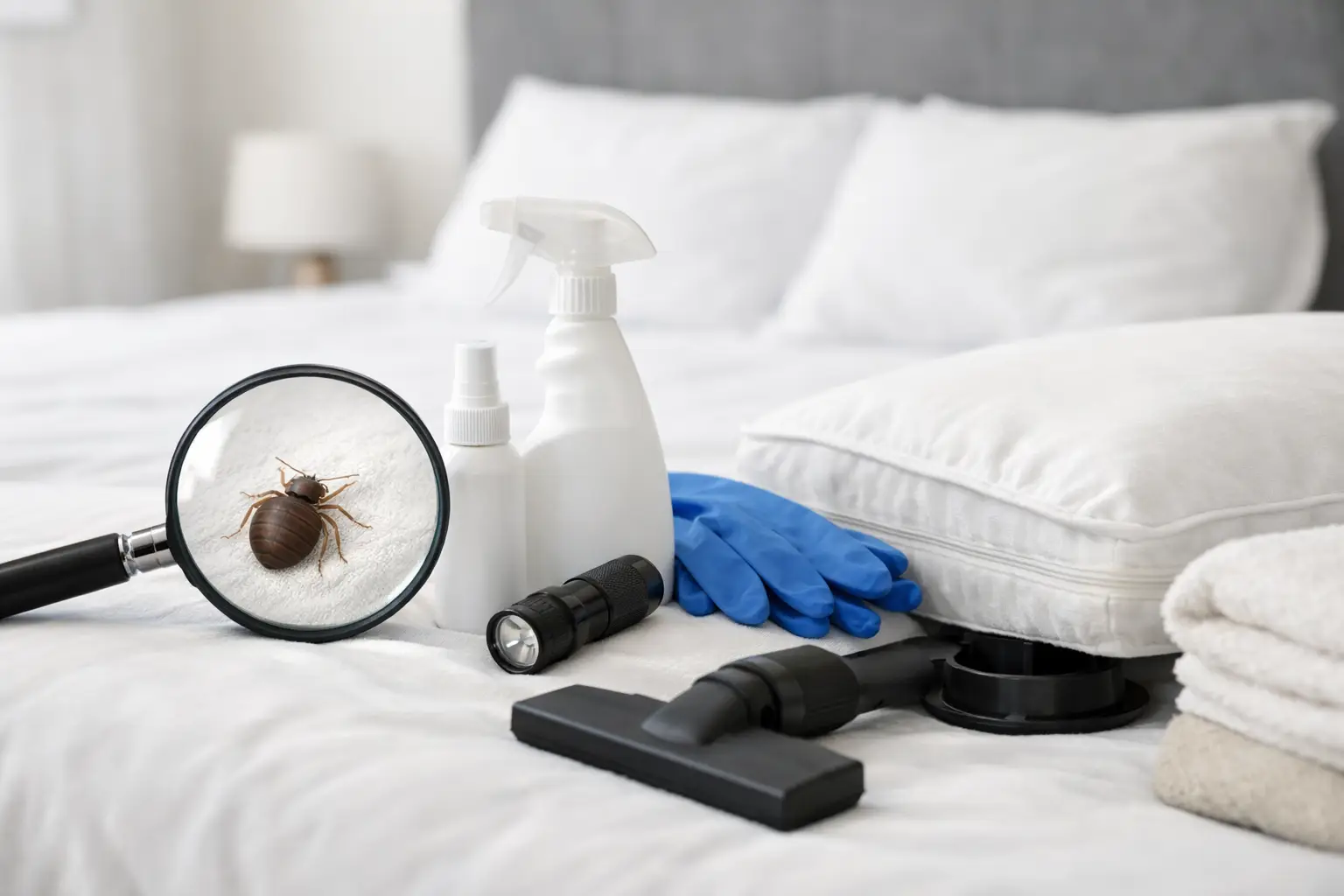
Periodically inspect mattress seams, bed frames, headboards, and nearby furniture. Look for live insects, pale shed skins, tiny dark spotting, or small clusters of eggs. One mark alone does not confirm bed bugs, but recurring signs deserve a professional inspection.
Be careful with secondhand items
Used furniture, mattresses, bed frames, upholstered chairs, and luggage are common ways bed bugs enter a home. A bargain can become expensive quickly if it introduces an infestation.
Inspect every secondhand item before bringing it indoors. Pay close attention to seams, joints, screw holes, drawers, and the underside of furniture. Avoid picking up discarded mattresses or upholstered furniture from curbs, hallways, or dumpster areas. For higher-risk items, consider professional inspection or treatment before bringing them into a bedroom, guest room, or shared building.
Build smarter travel habits
Hotels, vacation rentals, hospitals, transit, and other shared spaces can expose travelers to bed bugs. The goal is not to avoid travel. It is to keep belongings from becoming transportation.
When arriving at a hotel or rental, place luggage in the bathroom or on a hard luggage rack while you inspect the sleeping area. Check mattress seams, the headboard, and upholstered seating for suspicious signs. Keep suitcases closed when not in use and away from beds and fabric furniture.
When you return home, unpack luggage in a laundry area, garage, or another hard-surface space rather than on the bed. Dry travel clothing on high heat if the fabric allows it. Vacuum luggage seams and store suitcases away from bedrooms. If you suspect exposure during a trip, isolate the luggage and get professional advice before carrying it through the home.
Manage clutter without moving the problem
Clutter does not create bed bugs, but it gives them more places to hide and makes inspection harder. Keep the areas around beds, sofas, and sleeping quarters accessible. Use sealed plastic bins for stored belongings where appropriate, rather than cardboard boxes that are difficult to inspect and can harbor insects in folds and seams.
Do not rush to bag up and move every item after a concern arises. Improperly transporting clutter can spread bed bugs to vehicles, storage rooms, hallways, neighboring units, or family members’ homes. Containment and a treatment plan are more effective than panic cleaning.
Monitor Early, Then Act Quickly
Early detection is the difference between a contained issue and a widespread problem. After a confirmed infestation has been treated, perform regular visual checks for several weeks and remain alert after travel, overnight guests, tenant turnover, or the introduction of used furnishings.
For homes and apartments, interception devices under bed legs may help reveal bed bugs moving to and from the bed. They are monitoring tools, not a treatment. In hotels, health care settings, and multi-unit housing, staff should know how to report possible signs without making assumptions or alarming residents unnecessarily.
Take action if you notice repeated bites with no clear cause, live insects, dark spotting around sleeping areas, shed skins, or reports from occupants. Bites alone cannot diagnose bed bugs because many skin conditions and insects can look similar. A trained inspection provides certainty and prevents costly guesswork.
Avoid using foggers, bug bombs, or random over-the-counter sprays. These products often fail to reach hidden bed bugs and may drive them deeper into walls, furniture, or adjacent rooms. In apartments and commercial properties, uncoordinated spraying can complicate a building-wide response.
Reinfestation Prevention in Multi-Unit and Commercial Properties
A single unit is rarely the whole story in an apartment building, hotel, care facility, or staff accommodation setting. Bed bugs can move through wall voids, utility penetrations, hallways, laundry operations, carts, and shared furnishings. One untreated source can undermine the work completed elsewhere.
Property managers and operators need a documented response plan. It should define who receives reports, how inspections are scheduled, how affected rooms or units are handled, what residents or staff need to do, and how neighboring areas are evaluated. Privacy matters. Clear, respectful communication leads to faster reporting and better cooperation.
For hospitality and health care environments, prevention also depends on operational habits. Inspect rooms during turnover, train housekeeping and maintenance teams to recognize evidence, and avoid moving potentially affected furnishings or linens through clean areas without containment. A specialist can help create practical procedures that protect residents, guests, and operations without unnecessary disruption.
Know When It Is Time to Call a Specialist
Do not wait for an infestation to become obvious. Bed bugs are small, secretive, and often missed during casual inspections. If you have a credible concern after travel, a tenant report, a guest complaint, or suspicious evidence, schedule a professional inspection before treating the space yourself.
This is especially urgent when bed bugs may involve multiple units, a hotel, a care environment, a vehicle, or a workplace. These situations require a controlled response that limits spread while protecting occupants and business operations. BC Bed Bug Expert provides specialized inspection, heat treatment, preparation support, and remediation planning for properties ranging from private homes to complex facilities.
A bed bug concern is stressful, but it does not need to take over your home or your business. Stay observant, avoid moving questionable items, and treat early warning signs as a reason to get clear answers. Fast, expert action is often the simplest way to protect the peace of mind you worked hard to restore.