
A suspected bed bug problem can make an apartment feel unlivable overnight. The right apartment infestation response protects residents, limits spread to neighboring units, and moves quickly toward a verified solution instead of weeks of uncertainty and repeated chemical treatments.
Bed bugs are not a cleanliness issue, and they do not stay neatly contained in one room. They can travel through personal belongings, shared walls, utility openings, hallways, laundry areas, and furniture moved between units. That is why a fast, organized response matters for tenants, owners, and property managers alike.
Start With Confirmation, Not Panic
The first priority is determining whether bed bugs are actually present. Bite marks alone are not reliable evidence. Many skin conditions and insects can cause similar reactions, while some people have no visible reaction to bed bug bites at all.
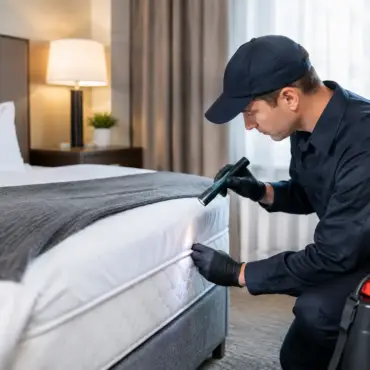
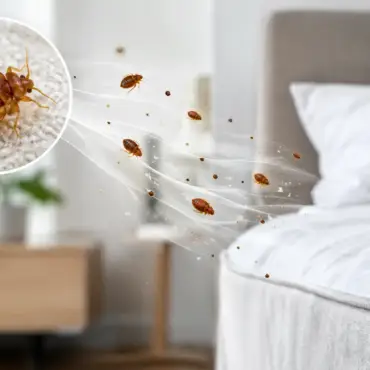
Look for physical signs around beds, upholstered furniture, baseboards, and luggage storage areas. These may include live bugs, pale shed skins, tiny white eggs, dark spotting on mattress seams, or small blood marks on bedding. Do not throw away a suspected item before it is inspected. Discarding furniture without a plan can spread bed bugs through common areas and make the infestation harder to track.
A professional inspection gives the response a clear direction. It identifies activity, helps determine how far it may have spread, and prevents a building from treating the wrong problem. In apartments and multi-unit properties, that information is especially valuable because the affected unit may not be the only unit requiring attention.
Apartment Infestation Response: Contain the Spread
Once bed bugs are suspected or confirmed, residents should avoid actions that push them into new hiding places. Sleeping in another room, moving to a friend’s home, or carrying unbagged clothing to a laundromat can expand the problem. Bed bugs follow people, which means changing sleeping locations can create additional harborages rather than solve the issue.
Keep belongings in the unit until a treatment professional provides instructions. Items that must be moved should be sealed in secure plastic bags or bins first. Clean clothing can be dried on high heat and placed directly into clean, sealed bags. The goal is not to turn the apartment upside down. It is to prevent bed bugs from hitchhiking to another room, unit, vehicle, or workplace.
Property managers should communicate quickly and privately. Residents need clear instructions, a point of contact, and reassurance that reporting bed bugs is the correct action. Delayed reporting is one of the main reasons a limited issue becomes a larger building concern. A respectful response also reduces stigma and makes tenants more likely to cooperate with inspection and preparation requirements.
Why Apartment Bed Bug Cases Need a Different Plan
A single-family home and an apartment building do not present the same risks. In multi-unit housing, bed bugs may move through wall voids, plumbing lines, electrical pathways, shared laundry rooms, and adjacent units. Treating only the unit where activity was first reported may not be enough.
The scope depends on the building layout, inspection findings, length of the infestation, and resident movement patterns. A bed bug found in one apartment does not automatically mean every unit is infested. However, adjoining units often need inspection, particularly those beside, above, and below the affected apartment.
For managers, the best response balances speed with accuracy. Broad treatment without evidence can disrupt residents unnecessarily. Treating too narrowly can leave an active source untouched. An experienced bed bug specialist can help determine whether the situation calls for a single-unit treatment, targeted adjacent-unit inspections, or a coordinated multi-unit remediation plan.
Choose a Treatment That Reaches Eggs and Hiding Places
Bed bugs are difficult to eliminate because they hide in narrow cracks, furniture joints, bed frames, wall gaps, electrical areas, and clutter. Many store-bought sprays only affect insects contacted directly. They rarely reach hidden bugs or eggs, and improper use can drive bed bugs deeper into walls and furnishings.
Chemical programs can also require multiple visits and strict follow-up schedules. In some circumstances, they may have a role in an integrated program. But for residents and operators who need a fast resolution, repeated treatments can mean extended disruption, more preparation, and continued concern about bites or new sightings.
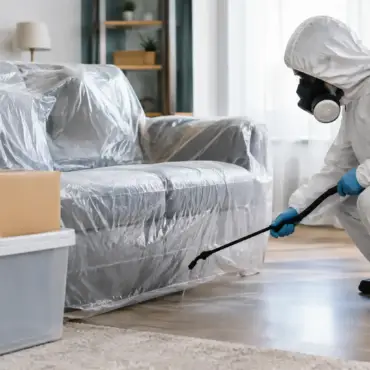
Professional thermal remediation is designed to heat the treatment area to temperatures lethal to bed bugs at every life stage, including eggs. Industrial equipment circulates controlled heat throughout the space while technicians monitor temperatures in targeted areas. When performed correctly, heat treatment reaches the places bed bugs use to hide without relying on toxic chemical residue.
For many apartment cases, this creates a major advantage: treatment can often be completed in one day. Residents can return to a treated home with greater confidence, while property managers can reduce downtime and avoid the drawn-out cycle of repeated spray appointments.
Preparation Makes Treatment More Effective
Preparation is not about stripping the apartment bare or discarding everything you own. It is about giving treatment access to the places where bed bugs may be hiding and ensuring heat can circulate safely. Every unit is different, so residents should follow the specific preparation instructions provided by their treatment team.
In most cases, preparation includes reducing excessive clutter, laundering or drying eligible fabrics as directed, removing heat-sensitive items, and making beds, furniture edges, closets, and baseboards accessible. Residents may need to remove pets, plants, medications, candles, aerosols, and certain electronics before treatment. A qualified provider will explain what stays, what goes, and how to protect important belongings.
Do not use foggers, bug bombs, rubbing alcohol, or unapproved pesticides before treatment. These products can create fire hazards, interfere with professional treatment, and scatter bed bugs into less accessible areas. They also add stress without solving the infestation.
For seniors housing, health care facilities, hospitality properties, and buildings with residents who need extra assistance, preparation support can be essential. The treatment plan must account for mobility needs, privacy, operational schedules, and the safe handling of personal possessions. This is where specialized experience matters more than a generic pest control visit.
Communicate Clearly With Residents and Staff
A strong response is operational as well as technical. Property owners and managers should provide a simple written plan that explains what residents need to do, when inspections or treatment will occur, where to direct questions, and how privacy will be protected.
Avoid language that blames tenants. Bed bugs can arrive through travel, visitors, secondhand furniture, deliveries, neighboring units, and many other ordinary routes. Blame delays cooperation. Clear expectations encourage it.
Staff should also know how to respond when someone reports a possible issue. Reports should be documented, escalated promptly, and handled discreetly. Maintenance teams should not move furniture, remove mattresses, or enter affected units without guidance if there is a risk of carrying bed bugs to another location.
After Treatment: Protect the Result
Following professional heat treatment, residents should follow re-entry and post-treatment directions carefully. Monitoring is often part of the process, especially in multi-unit properties where inspections may be needed to confirm there is no ongoing activity from an adjacent source.
A post-treatment sighting does not always mean treatment failed. Occasionally, a bug may be brought in from an untreated neighboring area, a visitor’s belongings, or an item that was not properly managed. Report any concern promptly rather than attempting to handle it alone. Early follow-up is far easier than allowing new activity to become established.
For apartment buildings, prevention is ongoing. Routine education for residents, a clear reporting process, careful management of furnished turnover units, and prompt inspection after a credible report can all reduce the risk of a larger infestation. These measures are especially useful for buildings with frequent move-ins, shared laundry, high turnover, or furnished accommodations.
BC Bed Bug Expert approaches apartment infestations with the urgency they deserve: discreet inspection, practical preparation support, and professional heat treatment designed to eliminate bed bugs and eggs in a single treatment cycle.
When bed bugs are suspected, the most helpful next step is simple: report the issue early, keep belongings contained, and bring in a specialist who can identify the real scope of the problem before it spreads further.