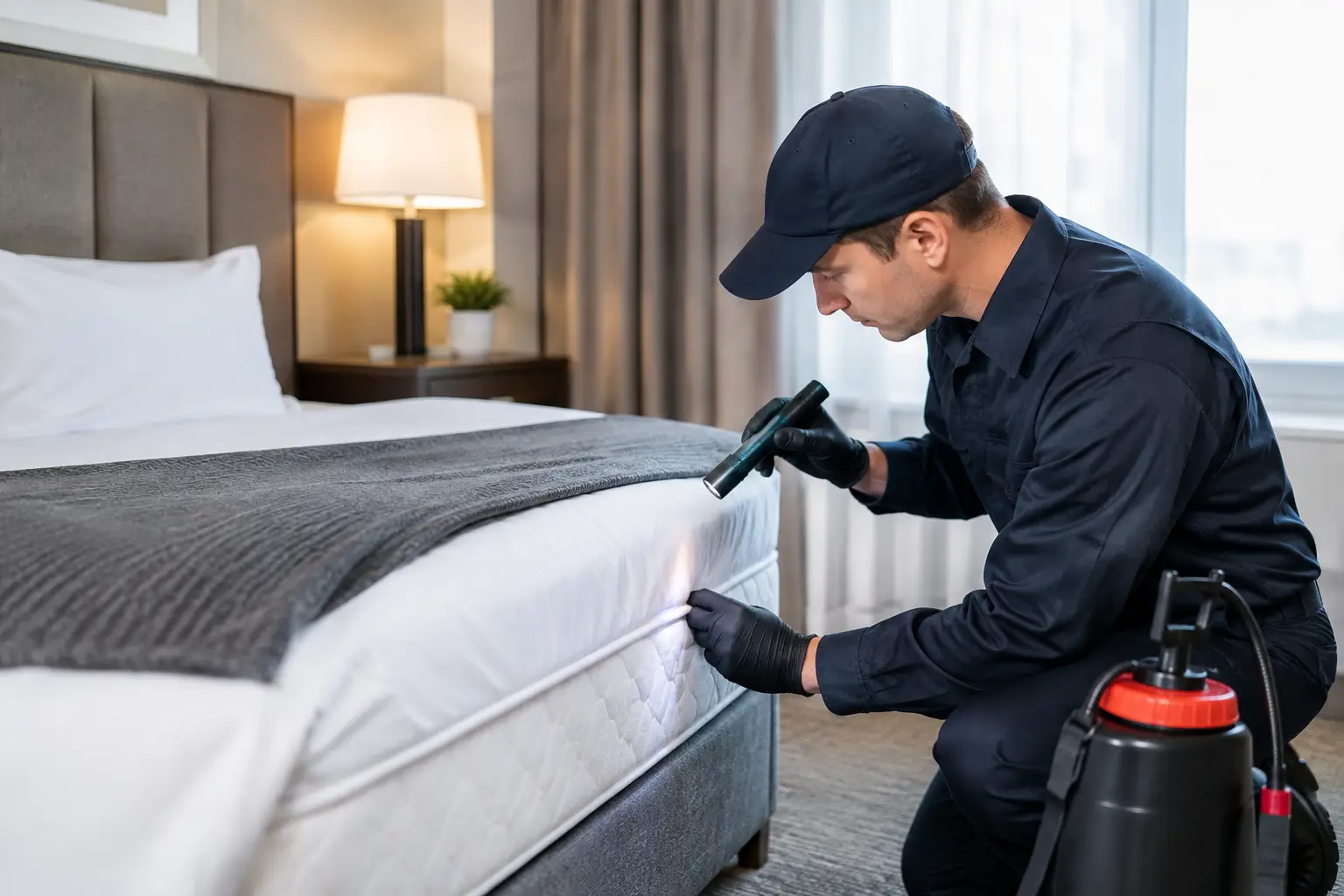
A single bed bug report can put a hotel room, apartment unit, care facility, or staff area under immediate pressure. This commercial bed bug control guide explains how property operators can respond quickly, limit spread, protect occupants, and choose a treatment plan that solves the problem without unnecessary downtime or repeated chemical applications.
Bed bugs do not reflect cleanliness or management quality. They are expert hitchhikers that can arrive in luggage, furniture, laundry, deliveries, employee belongings, and resident possessions. What matters is how quickly and professionally the situation is handled once there is a credible report or confirmed activity.
Why Commercial Bed Bug Control Requires a Different Response
Commercial infestations are rarely limited to one mattress or one room. In multi-unit buildings, bed bugs can move through hallways, shared laundry areas, wall voids, utility penetrations, elevator traffic, and personal belongings. In hospitality, a single missed infestation can affect guest confidence, online reviews, room availability, and staff time.
Health care, seniors housing, and supportive housing facilities face additional concerns. Residents may have mobility limitations, medical needs, or belongings that require careful handling. The response must be effective, discreet, and organized around occupant safety.
The cost of delay can be much higher than the cost of prompt treatment. Waiting for more reports may allow an isolated introduction to become a multi-room or multi-unit issue. On the other hand, treating every surrounding space without a professional inspection can create unnecessary disruption. The right scope depends on evidence, building layout, movement patterns, and the type of property.
The First 24 Hours Matter
When a guest, tenant, employee, or resident reports possible bed bugs, document the report and preserve any specimen if one is available. A clear photo can help, but a physical sample in a sealed container is more useful for identification. Avoid moving furniture, linens, or bags through common areas until the space has been assessed.
Do not rush to discard mattresses, upholstered furniture, or personal belongings. Throwing items away can spread bed bugs through corridors, elevators, dumpsters, and loading areas. It also creates avoidable replacement costs. Most furnishings can be treated successfully when the right method is used.
A calm, privacy-conscious communication plan is equally important. People need clear instructions, not alarming messages or blame. Tell affected occupants what is being investigated, what they should avoid moving, and when they can expect next steps.
Commercial Bed Bug Control Guide: Inspection and Containment
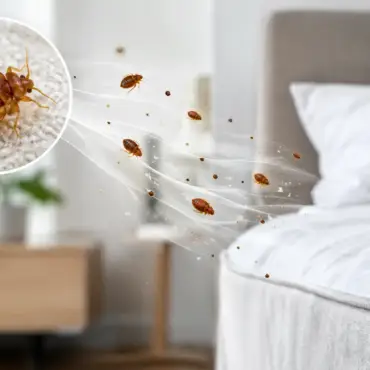
Professional inspection is the foundation of an effective commercial response. Bed bugs hide in narrow cracks near where people rest or spend extended periods. That may include bed frames, upholstered chairs, baseboards, luggage racks, wall décor, electrical areas, desks, waiting-room seating, and transport vehicles.
Inspection should not stop at the reported room. Depending on the setting, nearby rooms, adjoining units, rooms above and below, shared corridors, and spaces connected by high occupant traffic may need assessment. In an apartment building, the inspection radius may differ from a hotel with isolated guestrooms. In a care setting, it may need to account for mobility equipment, lounges, and resident belongings.
Containment begins with controlled movement. Bag affected linens or fabrics before transport, keep items inside the affected space when possible, and avoid transferring uninspected furniture to another room. Laundry can be part of containment when items are bagged before leaving the room and dried at appropriate heat. Washing alone may not be enough if the drying cycle does not reach sufficient temperature and duration.
Property managers should also create a simple incident record. Note the date of report, room or unit, observed evidence, inspection findings, treatment date, and follow-up actions. This helps teams identify patterns and demonstrates that concerns were handled responsibly.
Avoid the Common Quick Fixes
Over-the-counter sprays, foggers, and random pesticide applications often create more problems than they solve. Bed bugs can retreat deeper into cracks or move into adjacent spaces when disturbed. Products applied incorrectly may also create health, odor, or compliance concerns for guests, residents, and staff.
Repeated chemical treatments can require multiple visits, prolonged preparation, and ongoing room disruption. They may have a role in specific integrated pest management plans, but they should not be selected simply because they appear inexpensive at the start. The total cost includes repeat service calls, lost occupancy, staff coordination, damaged reputation, and the risk of an unresolved infestation.
Choosing a Treatment That Fits the Property
The best treatment method depends on the infestation scope, construction of the space, occupancy needs, and operational schedule. For many commercial settings, industrial thermal remediation is the fastest path to full-room treatment.
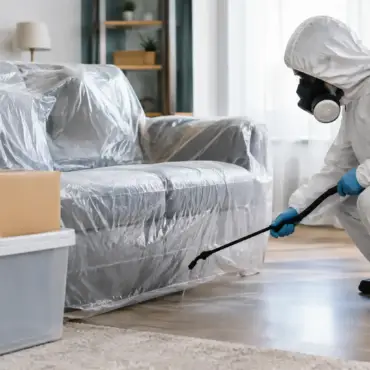
Professional heat treatment raises the temperature of the treated area to lethal levels for bed bugs and their eggs. Unlike spot spraying, heat reaches bed frames, upholstered furniture, cracks, seams, and other hiding areas throughout the treatment zone. Properly executed thermal remediation relies on commercial equipment, strategic heat placement, air movement, and continuous temperature monitoring. It is not the same as turning up a thermostat or placing a portable heater in a room.
A major advantage is speed. A room, unit, vehicle, or designated treatment area can often be returned to use after a single treatment cycle, subject to the property’s operating requirements and the technician’s clearance. This is especially valuable for hotels managing room inventory, housing providers reducing tenant disruption, and facilities that cannot tolerate weeks of ongoing pesticide activity.
Heat is also non-toxic. That matters where children, seniors, patients, employees, or guests may be sensitive to chemical exposure. However, non-toxic does not mean casual. Electronics, aerosol products, medications, wax items, certain plants, and heat-sensitive materials must be identified and handled correctly during preparation.
BC Bed Bug Expert specializes exclusively in bed bug remediation and can help commercial operators determine whether a targeted heat treatment, multiple-room response, or broader building plan is appropriate.
Prepare the Space Without Creating More Spread
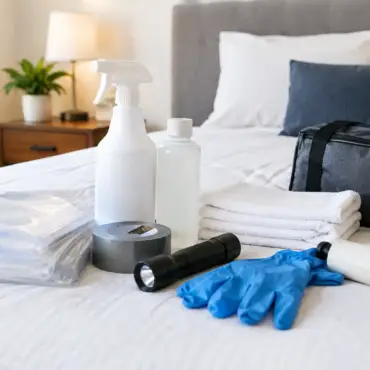
Preparation is not busywork. It allows technicians to access hiding places, circulate heat effectively, and protect sensitive items. Good preparation instructions should be specific to the room type and treatment method, not copied from a generic checklist.
In most cases, occupants should reduce clutter, empty or open designated furniture areas as instructed, and separate heat-sensitive items for review. Staff should not move unbagged linens, luggage, or furniture through the building. If a hotel room is involved, the room should be removed from inventory immediately and marked clearly so it is not cleaned, rented, or entered unnecessarily.
For multi-unit and institutional properties, designate one decision-maker who can coordinate access, maintenance support, resident communication, and post-treatment clearance. Confusion causes delays. A single point of contact keeps the process controlled and discreet.
Protect Business Continuity
Commercial bed bug control is not only an extermination task. It is an operational response. A hotel may need a room-out-of-service process and guest recovery plan. A property manager may need tenant notices that are factual and respectful. A health care facility may need a treatment schedule that works around resident care, medication, and mobility needs.
The best providers understand these realities before equipment arrives. Ask how the treatment team handles access, confidentiality, equipment staging, safety checks, sensitive property, and return-to-use timing. A low initial quote has little value if the provider cannot manage the practical demands of an occupied commercial building.
Prevent the Next Introduction
No treatment can prevent every future bed bug introduction. Hotels receive new guests daily. Apartments have tenant turnover. Care facilities welcome visitors, vendors, and new residents. Prevention means finding introductions early and limiting opportunities for spread.
Train frontline staff to recognize common signs: live bugs, shed skins, dark spotting near sleeping or seating areas, eggs, and unexplained bites reported by occupants. Bites alone are not confirmation, since many skin conditions can look similar. Encourage reporting without stigma or punishment so concerns are raised early.
Use inspection procedures during turnover, after a credible complaint, and when furniture is brought in from unknown sources. In multi-unit housing, address maintenance gaps around baseboards, utility openings, and damaged wall areas where appropriate. These steps will not replace treatment, but they can reduce hiding places and improve monitoring.
A bed bug incident is stressful, but it does not have to become a long-term operational crisis. Fast inspection, controlled movement, clear communication, and a professional treatment plan give your property the best chance to resolve the issue quickly and protect the people who depend on your space.