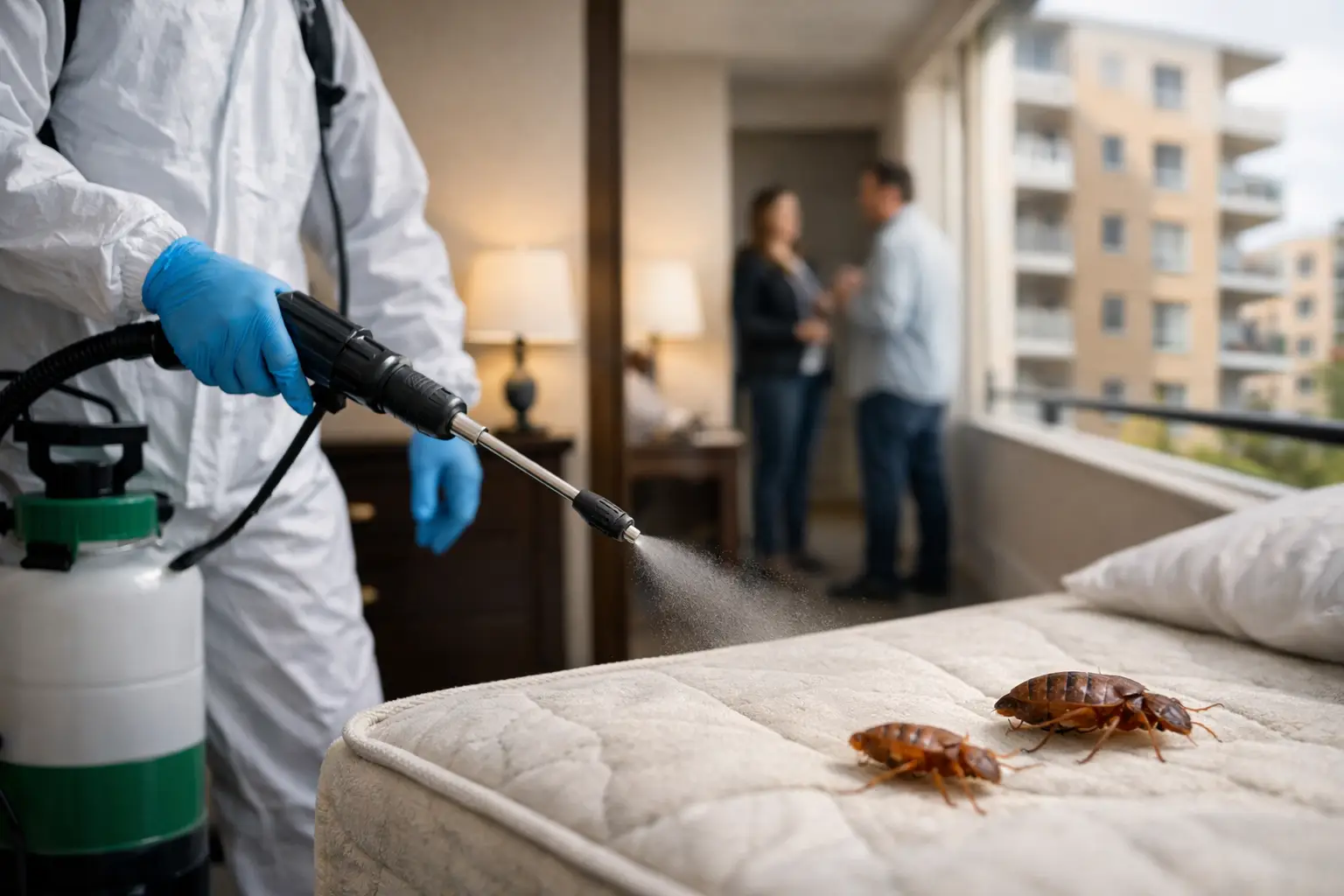
A single bed bug report can put an entire building on edge. The concern is not just the affected resident or room. In apartments, condos, hotels, seniors housing, and other shared properties, bed bugs can move through walls, hallways, utility openings, furniture, and personal belongings. Effective bed bug treatment for multi-unit buildings must do more than clear one visible problem. It must identify the true scope, stop further spread, and eliminate every life stage without creating unnecessary disruption for residents.
This is where a specialized approach matters. Treating one unit with a basic spray while nearby units remain unchecked may provide temporary reassurance, but it can leave the source active. A coordinated inspection and treatment plan protects tenants, operations, and the property itself.
Why Multi-Unit Bed Bug Problems Are Different
Bed bugs do not respect lease lines, unit numbers, or floor plans. They may travel between adjoining units through gaps around plumbing, electrical outlets, baseboards, and shared walls. In hospitality settings, they can move with luggage, carts, linens, or staff belongings. In supportive housing or care facilities, a delayed response can affect vulnerable residents and place added pressure on staff.
That does not mean every neighboring unit is automatically infested. Treating an entire floor without evidence can be costly and disruptive. But assuming the issue is isolated without a proper inspection can be just as expensive. The right response depends on the building layout, the length of the infestation, resident movement, known sightings, and the results of professional inspection.
Property managers also face a communication challenge. Residents need clear instructions and reassurance without unnecessary alarm or stigma. Bed bugs are not a sign of poor housekeeping. They can be introduced into any property through travel, visitors, secondhand furniture, deliveries, or shared transportation. Direct, respectful communication helps residents report concerns early instead of hiding them.
Bed Bug Treatment for Multi-Unit Buildings Starts With Scope
The first question is not, “Which unit should be sprayed?” It is, “How far has the infestation reached?” A thorough inspection should focus on the reported unit, adjoining units, units above and below, and any areas connected by resident traffic or operational activity.
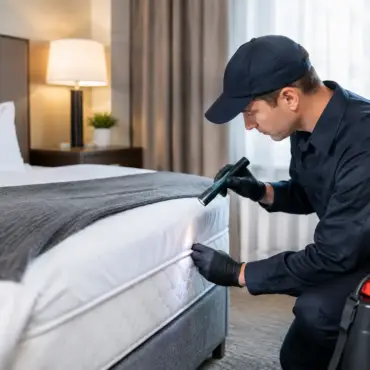
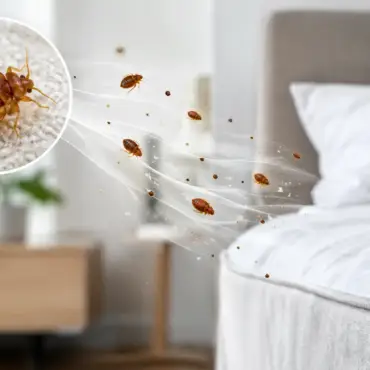
Experienced inspectors look beyond mattresses. Bed bugs can hide in bed frames, upholstered furniture, baseboards, electronics, curtains, wheelchairs, luggage, storage areas, and cracks no wider than a credit card. They may also leave signs such as dark spotting, shed skins, eggs, or live insects.
For a large property, inspection findings should lead to a practical treatment map. This map identifies confirmed activity, high-risk adjacent units, common areas requiring attention, and units that should be monitored. It gives owners and managers a defensible plan based on evidence rather than panic.
Do Not Rely on Resident Reports Alone
Residents are often the first to notice bites or insects, and their reports should be taken seriously. Still, bites alone cannot confirm bed bugs. Skin reactions vary widely, and some people show no reaction at all. Likewise, a resident may see one insect but not know whether it is a bed bug.
Professional confirmation avoids two common mistakes: treating the wrong pest and missing a broader infestation. It also gives management a clear basis for next steps, documentation, and resident communication.
Why Heat Is Often the Strongest Solution
Thermal remediation uses industrial equipment to raise the temperature inside a treated space to levels lethal to bed bugs and their eggs. When performed correctly, heat reaches areas where insects hide, including furniture joints, wall voids, cracks, and other difficult locations that surface treatments may miss.
The major advantage is speed. Chemical programs often require repeat visits because eggs can survive an initial application or because insects avoid treated surfaces. Heat treatment is designed to kill bed bugs at all life stages in one treatment cycle, which can dramatically reduce the chance of recurring activity and the operational burden on tenants and staff.
For multi-unit properties, heat can be especially valuable when fast resolution matters. A hotel room cannot remain out of service for weeks. A tenant should not have to live through repeated treatments. A care facility needs a process that is effective while minimizing exposure concerns for residents and staff.
Heat is non-toxic and does not leave chemical residue behind. That makes it a strong option for homes with children or pets, hospitality properties, health care environments, and buildings where residents are concerned about pesticides. However, heat treatment still requires professional planning. Sensitive items, aerosol products, candles, medications, and certain electronics may need to be removed or protected according to the treatment team’s instructions.
Treatment Boundaries Must Be Planned Carefully
Treating a single infested unit can be appropriate when inspection confirms the issue is contained. In other cases, treating adjacent units, a shared corridor, or several affected rooms at the same time is the smarter choice. The decision should be based on inspection results and building conditions, not a one-size-fits-all rule.
A full-building remediation may be necessary when activity is widespread, repeatedly reintroduced, or present across multiple floors. These projects require careful scheduling, resident coordination, equipment planning, and experienced technicians who understand how heat moves through complex spaces.
Preparation Is Part of the Treatment
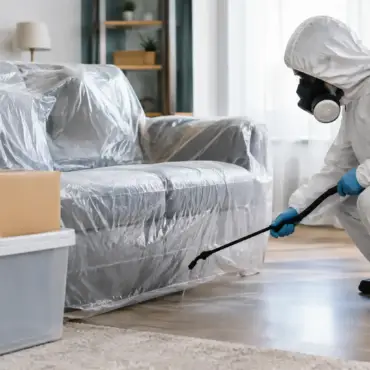
A successful treatment begins before equipment arrives. Preparation does not mean throwing away furniture or stripping a home bare. In fact, rushing to discard belongings can spread bed bugs through hallways, elevators, dumpsters, or other units.
Residents and staff should receive simple, specific prep instructions. Typically, this includes laundering and bagging clothing and linens as directed, reducing clutter where possible, removing heat-sensitive items, and giving technicians access to beds, furniture, closets, and walls. The exact requirements vary by building and treatment method.
Property managers should make preparation manageable. Some residents may need extra support because of mobility limitations, language barriers, health conditions, work schedules, or lack of transportation. Prep assistance can make the difference between a treatment that works as planned and one that must be delayed.
Clear instructions also reduce conflict. Residents need to know what will happen, how long they will be out of the unit, what they can bring with them, and when they can safely return. A discreet process respects privacy while helping everyone cooperate.
Communication Stops Spread Before Treatment Day
The best building response is calm, fast, and organized. Delayed communication can encourage residents to move infested belongings, sleep elsewhere, use foggers, or attempt unproven home remedies. Those actions often drive bed bugs deeper into hiding or spread them to new locations.
A practical communication plan explains that the property is addressing the issue, provides the required preparation steps, identifies the point of contact, and asks residents to report possible signs promptly. It should avoid blame. The goal is early detection and full cooperation, not embarrassment.
For hospitality operators, discretion matters just as much. Rooms may need to be removed from inventory immediately, inspected, and treated before being returned to service. Staff should understand how to respond to a guest concern professionally and without making assumptions.
After Treatment: Verification and Prevention
Even after a successful heat treatment, a building should not simply move on without follow-up. Post-treatment inspection and monitoring help confirm that activity has ended and identify any risk of reintroduction. In a multi-unit environment, this step gives managers confidence that the response worked.
Prevention is not about asking residents to live in fear. It is about creating sensible habits: reporting signs early, inspecting secondhand furniture before bringing it inside, addressing wall gaps and maintenance issues when practical, and training front-line staff to recognize potential bed bug activity.
For buildings with recurring incidents, consulting can help identify the operational cause. It may be frequent tenant turnover, used-furniture policies, housekeeping procedures, guest luggage handling, resident move-ins, or gaps in reporting. Solving those patterns is often less costly than repeatedly treating isolated units.
BC Bed Bug Expert handles these situations as a building-wide operational issue, not a basic household pest call. That means planning treatment around resident safety, privacy, access, and the realities of your property.
When bed bugs are suspected in a multi-unit building, quick action is the most considerate step for everyone involved. Confirm the problem, inspect intelligently, communicate clearly, and choose a treatment plan designed to eliminate the infestation rather than chase it from unit to unit.