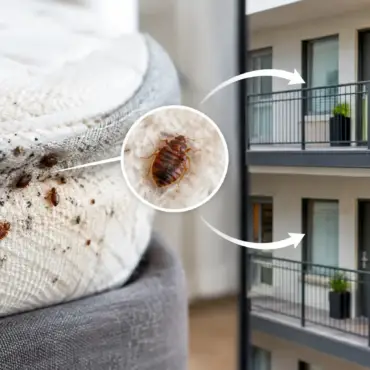

A bed bug problem in a condo is never limited to one uncomfortable night. It can affect neighboring units, create tension between residents and management, and leave people wondering whether their furniture, clothing, or home is still safe. The best bed bug treatment for condos is one that addresses the active infestation quickly, kills eggs as well as live bugs, and fits the realities of a multi-unit building. For most condo infestations, that means professional thermal remediation.
Why Heat Is the Best Bed Bug Treatment for Condos
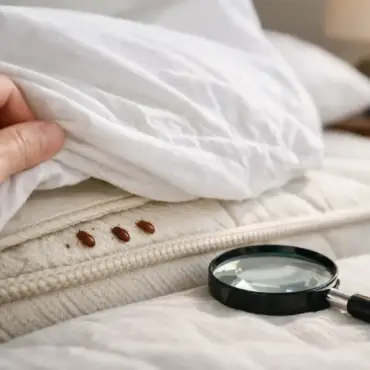
Bed bugs are difficult to eliminate with store-bought sprays, foggers, and partial chemical applications. They hide in bed frames, upholstered furniture, baseboards, electrical outlets, luggage, closets, and small cracks near where people sleep. More importantly, eggs can survive many treatment attempts that kill only active bugs.
Industrial heat treatment works differently. Specialized equipment raises the temperature throughout the treatment area to a lethal level for bed bugs and their eggs. Technicians use sensors and monitoring equipment to ensure heat reaches the difficult places where bed bugs hide, not just the center of the room. When performed correctly, thermal remediation can eliminate all life stages in a single treatment cycle.
That matters in a condo. A delayed or incomplete treatment gives bed bugs more time to spread through shared walls, utility openings, hallways, moving activity, and neighboring units. A one-day heat treatment can stop that cycle far faster than a series of treatments spaced weeks apart.
Heat is also a strong choice for residents who want a non-toxic approach. There is no need to fill a living space with pesticides or wait through repeated chemical applications. Once the unit has cooled and the treatment is complete, residents can return with greater confidence that the infestation has been addressed at its source.
Condo Bed Bug Control Requires More Than Treating a Mattress
In a detached home, an infestation may be contained within one household. Condos introduce extra variables. Residents share structural connections, maintenance systems, elevators, corridors, laundry rooms, storage spaces, and sometimes moving routes. A bed bug found in one unit does not automatically mean the entire building is infested, but it does mean the response needs to be organized.
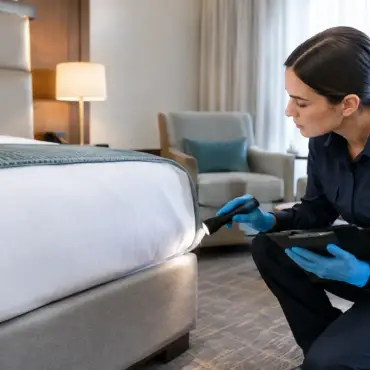
The right treatment plan starts with a professional inspection. An experienced bed bug specialist looks beyond the visible bites or the mattress. They identify likely harborages, assess the extent of activity, and determine whether adjacent units or common areas require inspection. This helps property managers avoid two expensive mistakes: treating too broadly without evidence or treating too narrowly when bed bugs have already moved beyond the original unit.
Communication also matters. Residents deserve discretion, clear preparation instructions, and a plan that respects their privacy. Property managers need practical guidance on scheduling, access, resident notices, and follow-up. A specialist who regularly handles multi-unit properties understands that effective bed bug control involves both technical treatment and careful coordination.
Why Chemical-Only Plans Can Fall Short
Chemical treatment can have a place in an integrated pest management plan, particularly for targeted follow-up work or situations where heat is not practical. But chemical-only plans often require multiple visits, resident cooperation over an extended period, and time for products to reach hidden bed bugs. Resistance to certain insecticides can further reduce results.
For condo owners and managers, the trade-off is significant. Repeated treatments may mean repeated disruption, more tenant anxiety, and a longer window for bugs to spread. Heat treatment costs more upfront than a basic spray service in many cases, but it can reduce the total cost of an infestation by resolving it quickly and avoiding the cycle of failed treatments, discarded furniture, and ongoing complaints.
Foggers are not a substitute for professional treatment. They rarely penetrate the narrow cracks where bed bugs hide and can drive bugs deeper into walls or into neighboring areas. They also create unnecessary exposure concerns in an occupied multi-unit building.
What a Professional Condo Heat Treatment Looks Like
A professional thermal remediation service is controlled, monitored, and tailored to the unit. It is not simply placing heaters in a room and hoping for the best. Technicians position industrial-grade equipment to circulate heated air throughout the treatment area, then continuously monitor temperatures in key locations.
Preparation is necessary, but it should be manageable. Residents are typically asked to remove heat-sensitive items, secure medications and certain personal belongings, and follow instructions regarding pets, plants, aerosol cans, candles, and electronics. Quality providers give clear prep guidance and can offer preparation support when a resident needs help.
During treatment, the unit is unoccupied. Technicians move air strategically so that heat reaches furniture, beds, closets, baseboards, and other potential harborages. The goal is not to make the room feel hot. The goal is to maintain lethal conditions long enough to kill bed bugs and eggs wherever they are concealed.
Afterward, residents should not rush to throw away furniture. In many cases, beds, sofas, clothing, and other belongings can be saved. That is one of heat treatment’s major advantages. Rather than replacing everything out of fear, residents can preserve valuable possessions while eliminating the infestation.
When Adjacent Units Should Be Inspected
A confirmed bed bug infestation does not always require treatment of every neighboring condo. It does justify a thoughtful assessment. Units directly beside, above, and below the affected residence may need inspection, especially when there is evidence of persistent activity, frequent resident turnover, known prior infestations, or structural gaps that could allow movement.
Property managers should avoid relying solely on visual reports from residents. Bed bugs are experts at staying hidden, and bites alone are not reliable proof. A professional inspection provides a clearer basis for decisions and helps document that the building responded responsibly.
If more than one unit is affected, the treatment plan may need to be coordinated. Treating one unit while an active infestation remains next door can lead to reinfestation and frustration for everyone involved. In larger situations, a specialist with full-building remediation experience can create a phased plan that limits disruption while protecting residents and the property.
How to Choose a Bed Bug Specialist for Your Condo
Do not choose based on the lowest quote alone. Bed bug work is specialized, and an inexpensive treatment that fails can become the most expensive option. Ask whether the company focuses specifically on bed bugs, uses industrial thermal equipment, monitors temperatures during treatment, and has experience with condos or other multi-unit properties.
You should also ask what happens if activity continues after service. A reputable provider will explain its treatment protocol, preparation requirements, inspection process, and warranty or guarantee terms in plain language. Be cautious of anyone promising results without asking questions about the unit, the evidence, or possible neighboring activity.
BC Bed Bug Expert approaches condo infestations with the urgency and discretion they require. Since 2010, the company has focused exclusively on bed bug elimination, including thermal remediation for single residences, multi-unit buildings, hospitality properties, health care facilities, and complex remediation projects.
Act Before the Problem Becomes a Building Issue
If you have found a live bed bug, dark spotting near a bed, shed skins, or unexplained bites, avoid moving furniture into hallways, storage lockers, or another unit. Do not start sleeping in a different room, either. That can encourage bed bugs to follow you and establish new hiding places.
Keep the situation contained, document what you find, and notify the appropriate property contact if you live in a managed building. Then arrange a professional inspection as soon as possible. The sooner an infestation is identified and treated properly, the more likely it is that your condo stays a single-unit problem rather than a building-wide disruption.
A bed bug infestation is stressful, but it is solvable. Fast, properly monitored heat treatment gives condo residents and property managers a clear path forward: protect the home, preserve belongings, and stop the problem before it has the chance to spread.