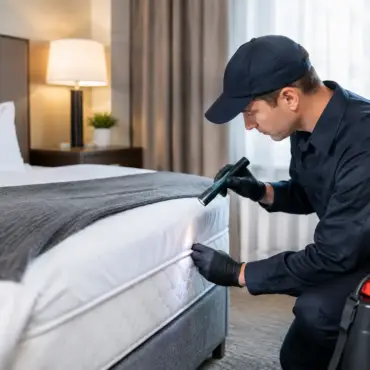
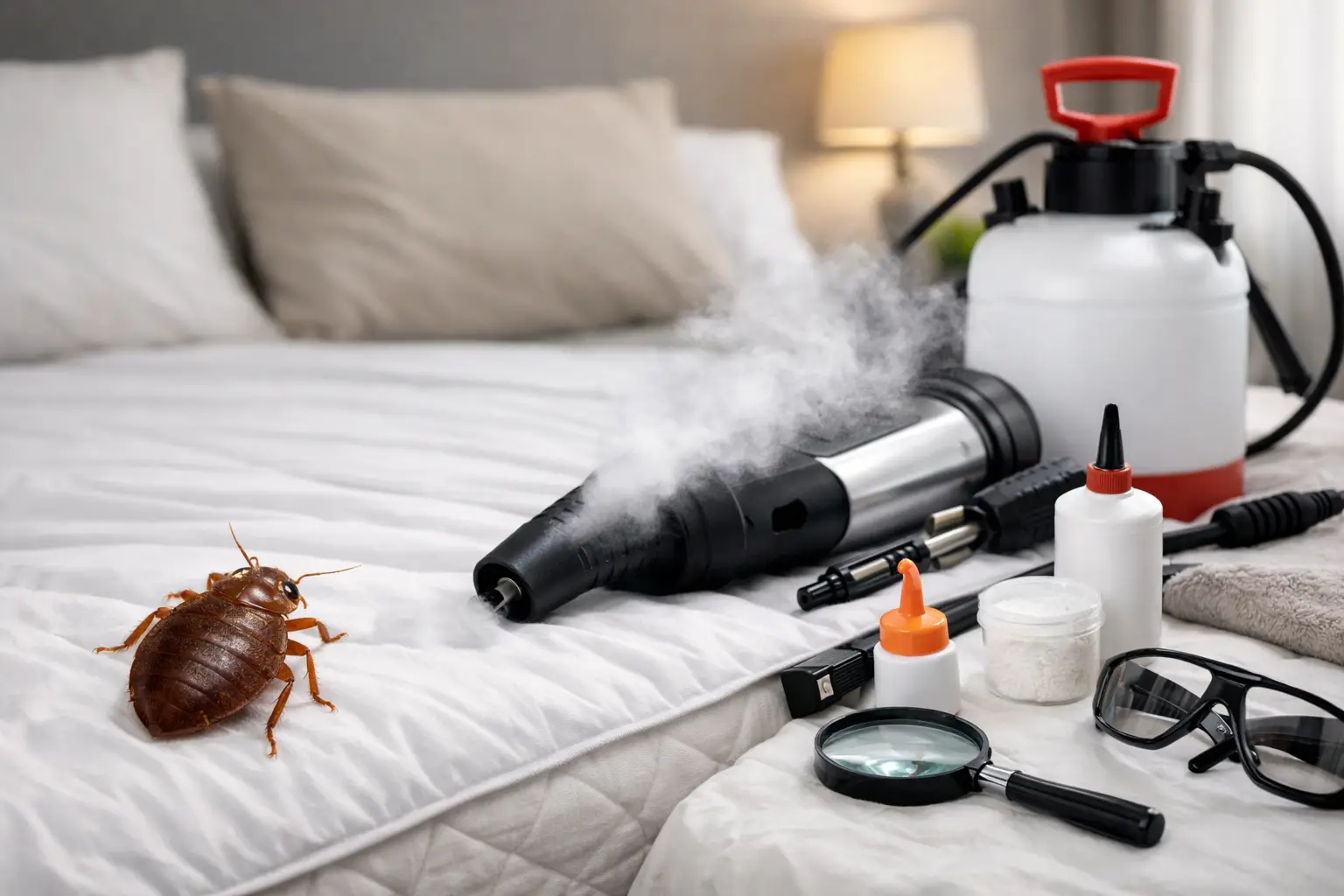
You usually know something is wrong before you ever see a bug. New bites show up overnight. Sheets have small rust-colored marks. Sleep gets replaced by checking seams, outlets, and baseboards with a flashlight at 2 a.m. When people start researching bed bug elimination methods, they are rarely curious. They need the problem gone fast, safely, and without turning their home or property upside down for weeks.
That urgency matters because bed bugs are not a casual pest. They spread easily, hide well, and reproduce faster than most people expect. A weak response often turns a small infestation into a larger, more expensive one. The right treatment is not just about killing visible bugs. It has to reach hidden insects, destroy eggs, and reduce the chance of the problem returning.
The problem with most bed bug elimination methods
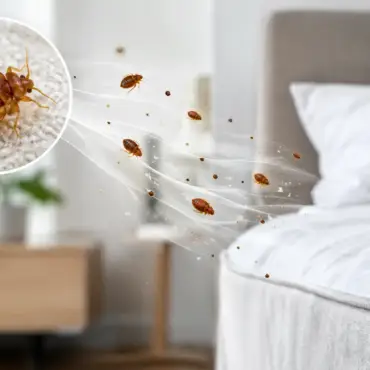
Bed bugs are hard to eliminate for one simple reason: they do not live out in the open. They wedge themselves into mattress seams, bed frames, furniture joints, wall voids, electrical outlets, luggage, vehicles, and clutter. Eggs are even more difficult to deal with because many over-the-counter products do not kill them reliably.
That is why many people go through the same frustrating cycle. They wash linens, throw out a mattress, spray a few products, and feel temporary relief. Then bites return. In apartments, hotels, senior housing, and other shared spaces, that delay can allow bed bugs to migrate into nearby rooms or units.
Any serious discussion of bed bug elimination methods has to start with a hard truth: partial treatment is one of the main reasons infestations continue. If the method does not reach every hiding spot, or if it requires multiple perfectly timed follow-up visits, the margin for failure gets wider.
Chemical treatment versus heat treatment
Chemical treatment is still common, but it comes with trade-offs. Some professional products can reduce active populations, especially when applied carefully and repeatedly. The issue is that chemicals usually depend on bed bugs contacting treated surfaces. If bugs stay hidden in protected areas, or if eggs survive, the infestation can continue.
There is also the timing problem. Chemical programs often require multiple visits spaced over days or weeks. During that time, people are still living or working around the infestation, and bed bugs may keep biting, moving, or spreading. For property managers and hospitality operators, that delay creates operational and reputational risk.
Heat treatment works differently. Instead of trying to leave behind a residue and wait for bed bugs to cross it, professional thermal remediation raises the temperature in the affected space high enough to kill bed bugs at every life stage, including eggs. That difference is significant. Eggs are the reason many treatments fail. When the eggs survive, the infestation starts over.
For many situations, heat is the most decisive option because it addresses the full life cycle in a single treatment window. It is also non-toxic, which matters to families, health care settings, seniors housing, and anyone who does not want repeated pesticide exposure inside living spaces.
Why professional heat stands apart
Not all heat is equal. Consumer steamers and space heaters are not the same as industrial thermal remediation. Professional heat treatment is controlled, monitored, and designed to penetrate the places bed bugs actually hide.
When done correctly, heat moves into mattresses, upholstered furniture, cracks, crevices, and belongings that would be difficult to treat with sprays alone. Technicians track temperatures throughout the space to make sure lethal levels are reached and held long enough to kill both bugs and eggs.
That level of control is what separates a real bed bug specialist from a general pest provider offering heat as an add-on. Bed bug work demands experience with room setup, airflow, heat distribution, prep requirements, and post-treatment verification. In larger properties or multi-unit buildings, it also requires planning that accounts for adjacent spaces, resident coordination, and containment.
The result is speed and clarity. Instead of managing weeks of uncertainty, many clients can resolve the infestation in one treatment cycle and move on.
Bed bug elimination methods for different property types
A single-family home and a 200-room hospitality property do not have the same risk profile, even if the pest is the same. The best treatment method depends on how the infestation started, where it has spread, and how quickly the space needs to return to normal use.
In homes and apartments, speed and discretion are usually the priority. People want the infestation gone without exposing children, pets, or vulnerable family members to repeated chemicals. In these cases, whole-room or targeted heat treatment is often the strongest option because it can eliminate hidden bugs quickly and reduce the need to discard furniture or personal belongings.
In hotels and multi-unit buildings, containment is just as important as treatment. Bed bugs can move between units, rooms, and common walls. A piecemeal approach can create false confidence if one room is treated while adjacent areas remain active. Professional inspection, treatment planning, and in some cases full-building remediation are critical.
Health care and seniors housing require even more care. Safety, resident vulnerability, privacy, and operational continuity all matter. Non-toxic treatment methods become especially valuable here, but so does specialized execution. Staff coordination, room turnover, and careful prep support can make the difference between a clean resolution and ongoing disruption.
Vehicles are another overlooked source. Bed bugs can live in seats, seams, carpets, and storage compartments, especially after travel or transport of infested items. Spot spraying is rarely enough in those cases. Heat is often more reliable because it reaches the hidden surfaces where bed bugs remain out of sight.
What preparation actually matters
People often panic and start bagging everything they own. Some preparation helps, but too much rushed movement can spread bed bugs into hallways, cars, or unaffected rooms.
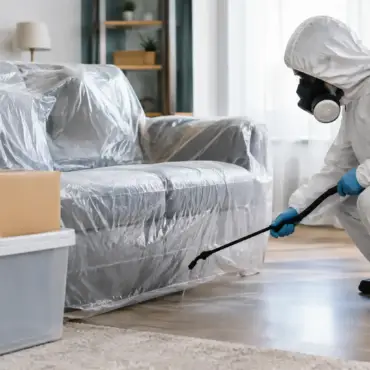
Good prep is specific. Linens and clothing may need to be laundered and sealed. Sensitive items may need to be removed before heat treatment. Clutter should be reduced so technicians can access critical areas. What should not happen is random disposal of furniture or belongings before a proper treatment plan is in place.
Throwing out a bed does not remove the infestation if bugs are also in the baseboards, nightstands, sofa, or wall voids. In many cases, unnecessary disposal only adds cost and stress. One of the benefits of working with a specialist is getting clear prep instructions that are practical, not overwhelming.
When DIY makes the problem worse
DIY efforts are understandable. People want immediate relief, and store shelves are full of products that promise exactly that. The trouble is that many DIY methods address visible signs, not the infestation itself.
Foggers are a common example. They rarely penetrate hiding spots effectively and can scatter bed bugs deeper into walls and adjoining spaces. Misused sprays can do the same. Even excessive laundering, if done without a larger plan, can create the impression of action while the infestation remains active in furniture and structure.
There is also the cost issue. By the time people buy sprays, powders, encasements, interceptors, replacement bedding, and discarded furniture, they may spend a surprising amount without getting control. If the infestation spreads during that time, the final treatment becomes more complex.
That does not mean every minor issue needs a dramatic response. It means confirmation matters. If there is a real infestation, decisive action is usually less expensive than repeated trial and error.
How to choose among bed bug elimination methods
The right choice depends on three questions: how widespread is the infestation, how quickly do you need resolution, and how much risk can you tolerate from incomplete treatment?
If the infestation is limited and professionally assessed early, some situations can be managed with a carefully structured treatment plan. But when speed matters, when eggs must be eliminated, or when repeated chemical visits are not acceptable, professional heat treatment is often the stronger answer.
That is especially true for occupied homes, multi-unit properties, hospitality environments, health care settings, and anyone who has already tried sprays without lasting results. The method that sounds cheaper upfront is not always the method that resolves the problem fastest or fully.
Specialization matters too. A company focused specifically on bed bugs understands behavior patterns, spread routes, prep support, and the operational details that general pest control companies may not handle well. BC Bed Bug Expert has built its reputation around that difference, with industrial heat treatment designed for fast, discreet, non-toxic elimination across everything from bedrooms to complex commercial and institutional environments.
If you are weighing bed bug elimination methods right now, the most useful question is not which product is easiest to buy. It is which approach gives you the best chance of ending the infestation completely, without dragging the problem into another week, another unit, or another sleepless night.