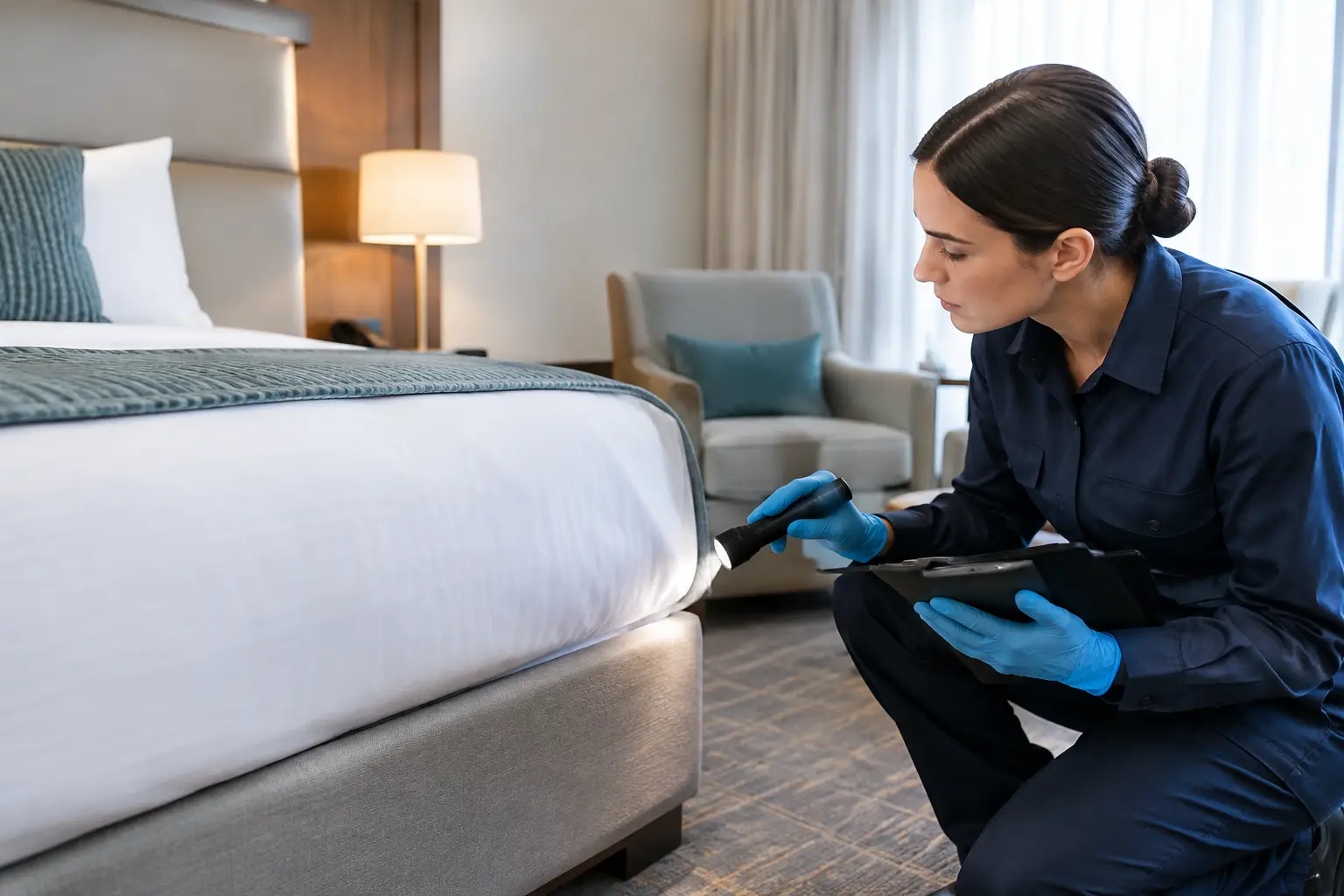
A single guest report can put a hotel into crisis mode. The concern is not limited to one room or one complaint. A bed bug incident can affect guest confidence, staff workload, online reviews, room revenue, and the reputation your property has worked hard to earn. Effective hotel infestation recovery is not about reacting with a spray and reopening the door. It is about confirming the issue, containing it, eliminating all life stages, and restoring normal operations with discretion.
Hotel Infestation Recovery Starts With Certainty
Hotels cannot afford assumptions. A skin reaction alone does not confirm bed bugs, and treating a room without identifying the pest can create unnecessary downtime and expense. The first priority is a professional inspection that identifies whether bed bugs are present, where they are active, and whether activity has spread beyond the reported room.
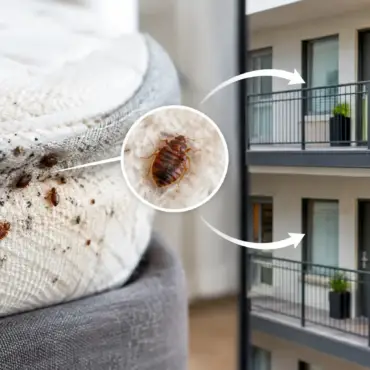
Bed bugs are expert hitchhikers. They move in luggage, laundry carts, housekeeping equipment, furniture, and personal belongings. In a hospitality setting, that means an isolated report may be isolated, but it also may point to activity in adjacent rooms, rooms above and below, linen handling areas, staff spaces, or storage locations.
A qualified inspection should focus on the reported room and the realistic pathways around it. This targeted approach helps management make decisions based on evidence rather than fear. Taking ten rooms out of service without cause is costly. Leaving connected rooms unchecked can be more costly.
Contain the Issue Without Creating Panic
Once bed bugs are confirmed or strongly suspected, the property needs a controlled response. That starts with limiting unnecessary movement of furniture, linens, and luggage from the affected area. Moving items through hallways or into storage before they are assessed can spread the problem to new locations.
The affected room should be removed from inventory while the response plan is underway. Nearby rooms may also need to be temporarily held, depending on inspection findings, occupancy patterns, room layout, and the extent of activity. There is no responsible one-size-fits-all rule. A single confirmed insect near a bed requires a different response than established activity found in bed frames, upholstered furniture, and adjoining rooms.
Communication inside the hotel matters. Housekeeping, maintenance, front desk leadership, and management should understand who is coordinating the response and what procedures apply. Staff do not need speculation or blame. They need clear direction: which rooms are restricted, how linen and belongings will be handled, and who to notify if they observe signs of activity.
Guest communication should be handled with equal care. Privacy and professionalism are essential. A prompt room move may be appropriate, but moving a guest into an adjacent room before that area is assessed can create another problem. Every decision should protect the guest while supporting containment.
Why Heat Treatment Fits Hospitality Properties
Repeated chemical treatments can be difficult for hotels. They may require multiple visits, extended monitoring, and repeated room disruptions. Bed bugs can also hide deeply in furniture, wall voids, baseboards, luggage racks, and upholstered seating, making incomplete treatment a serious risk.
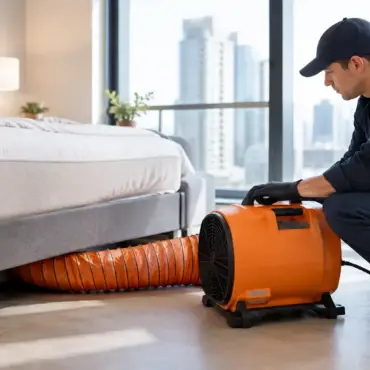
Professional thermal remediation uses industrial-grade equipment to raise the temperature in the treatment area to levels lethal to bed bugs and their eggs. Properly managed heat penetrates the places bed bugs hide, including cracks and furniture components that are difficult to reach with conventional products. Because eggs are addressed in the same treatment cycle, heat can provide a faster path back to service than a program built around repeated chemical applications.
For hotel operators, the advantages are practical. Heat treatment is non-toxic, leaves no chemical residue, and can often be completed in one day for a properly prepared room or defined treatment area. That does not mean every hotel situation is identical. A multi-room issue, a high-rise layout, or widespread activity may require phased work and a more detailed operational plan. Still, thermal remediation is often the most direct option when downtime, guest safety, and discretion are top priorities.
BC Bed Bug Expert specializes in thermal remediation for hospitality properties, from individual guest rooms to complex multi-room and full-building situations. The objective is straightforward: eliminate the infestation thoroughly while helping the property return to normal operations as quickly as possible.
Preparation Determines How Smoothly Recovery Goes
Heat treatment is highly effective when it is planned and performed correctly. Hotel teams should not be left guessing what to do before service. A professional provider should give clear preparation instructions based on the room type, furnishings, occupancy status, and treatment scope.
Preparation commonly involves removing heat-sensitive items, securing medications and valuables, and ensuring technicians can access beds, furniture, closets, and perimeter areas. Electronics, artwork, sprinklers, and specialty furnishings may require particular attention. In some cases, laundry procedures must be coordinated so bedding, towels, uniforms, and soft goods are not moved in a way that spreads bed bugs.
This is where an experienced hotel remediation team makes a measurable difference. A guest room is not an empty house. It contains commercial furniture, electronics, drapery, mattresses, key systems, and brand-standard finishes. The treatment plan must account for those realities while still reaching the temperatures needed for complete bed bug control.
Managers should also plan the reopening process before treatment begins. Once the treatment is completed and the area has cooled, the room can be reset, inspected, and returned to inventory according to the remediation plan. Having housekeeping and maintenance prepared for that step reduces avoidable delays.
Protect Your Reputation With a Measured Response
The reputational impact of bed bugs comes less from the fact that an incident occurred and more from how the hotel responds. Bed bugs can be introduced by travelers into any property, including clean, well-managed hotels. What guests and business partners remember is whether the property acted promptly, respectfully, and effectively.
Avoid public speculation, rushed explanations, or attempts to minimize a confirmed problem. At the same time, avoid overreacting in a way that signals loss of control. A documented inspection, defined containment measures, professional treatment, and a clear reopening process demonstrate that management is taking the situation seriously.
Keep accurate internal records of reported concerns, inspection findings, treatment dates, restricted rooms, and follow-up actions. These records help leadership track patterns and can be valuable when coordinating with ownership, insurers, brand representatives, or health and safety teams. They also make it easier to identify whether recurring reports point to a particular floor, furniture type, laundry process, or operational gap.
Build Prevention Into Daily Hotel Operations
Recovery should improve future readiness. Hotels do not need to operate in fear, but they do need practical routines that help staff spot concerns early. Early detection limits spread, reduces downtime, and gives management more options.
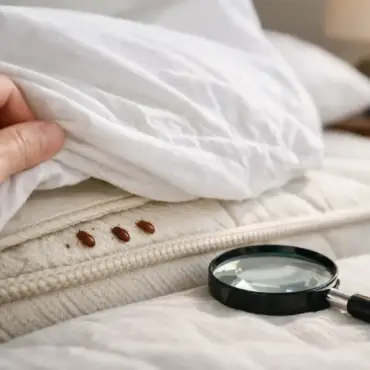
Train housekeeping and maintenance teams to recognize common signs: live insects, tiny pale eggs, dark spotting around mattress seams and bed frames, shed skins, and unexplained activity around upholstered furniture. Staff should know that reporting a concern is part of protecting the property, not a reason for criticism.
Regular room inspections are especially useful in high-turnover areas and rooms with repeat complaints. Inspect luggage racks, headboards, mattress encasements, upholstered chairs, nightstands, and baseboards. When replacing furnishings, consider designs that reduce hiding places and allow easier inspection. This will not make a hotel immune to introductions, but it can make a potential issue easier to find and resolve.
For larger properties, a written response protocol is worth having before an incident occurs. It should identify decision-makers, inspection procedures, room-hold authority, laundry handling steps, communication standards, and approved remediation partners. When a report arrives at 10 p.m. during high occupancy, a prepared protocol prevents confusion from driving the response.
The Right Response Gets Rooms Back in Service
A hotel bed bug incident demands urgency, but urgency should never mean shortcuts. Treating only the visible area, relying on store-bought products, or reopening rooms before the situation is addressed can turn a manageable problem into recurring downtime and guest dissatisfaction.
The strongest path forward is fast confirmation, thoughtful containment, expert heat treatment, and operational follow-through. With the right plan, hotels can resolve bed bug activity discreetly, protect guests and employees, and put rooms back into service with confidence.
If your property has a suspected or confirmed bed bug issue, act before normal guest turnover gives the infestation more opportunities to travel. A professional assessment provides the clarity needed to protect your guests, your team, and the business behind every occupied room.