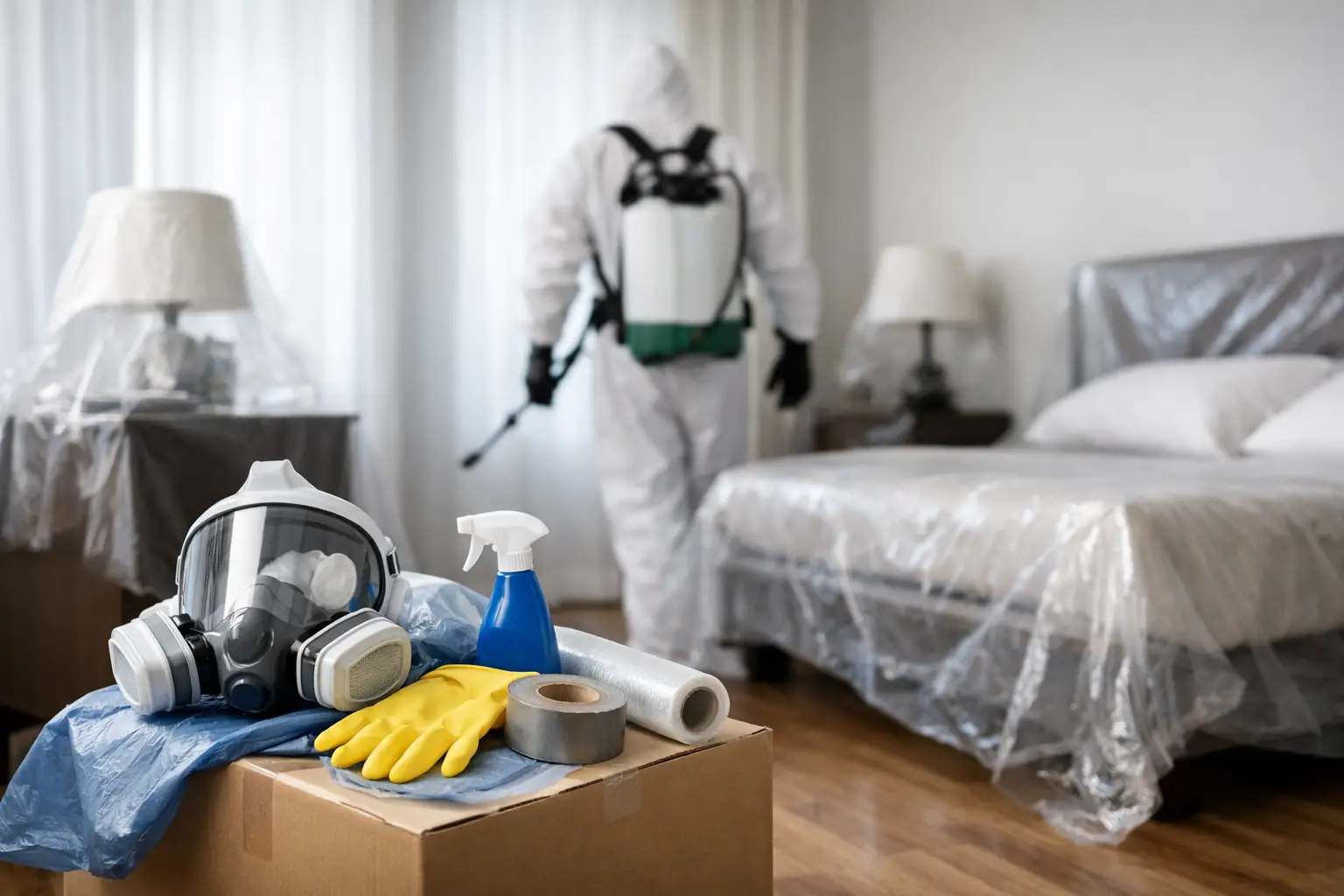
A bed bug treatment can be completed in one day, but the work starts before the equipment arrives. Knowing how to prepare rooms for extermination protects your belongings, prevents treatment delays, and gives heat a clear path to reach the places bed bugs hide.
For bed bugs, preparation is not about throwing everything away or turning your home upside down. It is about controlling what moves, removing heat-sensitive hazards, and following the exact instructions provided for your property. A good prep plan reduces stress while helping ensure bed bugs and their eggs have nowhere to survive.
Why Bed Bug Treatment Preparation Matters
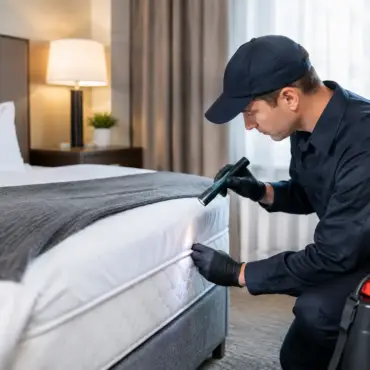
Bed bugs hide in seams, furniture joints, baseboards, electrical areas, clothing, luggage, and clutter near where people sleep or rest. Industrial heat treatment works by raising the temperature throughout the treatment area to levels that eliminate all life stages, including eggs. To do that effectively, heated air must circulate around furniture and belongings.
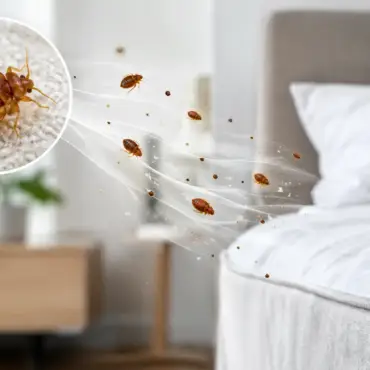
Preparation also limits one of the biggest risks in an active infestation: spreading bed bugs to another room, another unit, a vehicle, or a family member’s belongings. Moving unprepared items through a home can transport the problem instead of solving it.
The right level of prep depends on the treatment method, the layout of the property, and the severity of the infestation. A single-bedroom apartment and a multi-unit seniors housing facility do not need the same plan. Your treatment provider should give you room-specific instructions before service begins.
Prepare Rooms for Extermination Without Spreading Bed Bugs
The first rule is simple: do not move belongings out of an infested room unless your treatment team tells you to. This includes bags, laundry baskets, furniture, books, toys, and storage containers. A bed bug can hitchhike on any of them.
If clothing, linens, or fabric items must be handled before treatment, place them directly into sealed bags inside the affected room. Move the sealed bag to the laundry area only when instructed. After drying on the appropriate high-heat setting, put clean items into fresh sealed bags or clean bins until treatment is complete. Do not return cleaned items to an untreated room.
Avoid donating, selling, or placing infested furniture at the curb. Aside from exposing other people, discarded furniture often creates confusion about whether it is safe to take. Most furnishings can remain in place for professional heat treatment unless they are structurally damaged or cannot be safely heated.
Reduce Clutter, But Do Not Over-Pack
Clutter gives bed bugs more hiding areas and can block airflow. Clear floors, closets, under-bed areas, and furniture surfaces enough for technicians to work safely and for air to move through the room.
That does not mean sealing every possession into tightly packed boxes. Heat needs access to the contents of drawers, closets, and storage areas. In many cases, drawers should be opened, clothing should be loosened, and belongings should be arranged so air can circulate. Your provider may ask you to leave certain items where they are, move them away from walls, or distribute them more evenly.
It depends on the room and the equipment being used. Follow the written prep checklist rather than relying on a generic cleaning routine.
What to Remove Before Heat Treatment
Professional heat treatment is non-toxic, but high temperatures require sensible safety precautions. Remove or identify items that could melt, ignite, leak, warp, or be damaged by heat. Your technician will confirm what is safe to leave.
Common items that usually need special attention include:
- Aerosol cans, pressurized containers, lighters, candles, and flammable liquids
- Medications, cosmetics, heat-sensitive toiletries, and certain medical supplies
- Houseplants, pets, fish tanks, and pet food
- Vinyl records, wax items, crayons, some artwork, and heat-sensitive adhesives
- Perishable food, temperature-sensitive beverages, and items stored in the refrigerator or freezer when instructed
- Sensitive electronics or equipment that the treatment team has identified for removal or protection
Do not guess about electronics, documents, antiques, musical instruments, or valuable collections. Many household items tolerate a professionally managed heat treatment, but exceptions exist. Ask before removing or leaving anything you are concerned about.
Set Up Furniture and Access Areas
Technicians need safe access to the entire treatment zone. That typically means clearing walking paths, opening interior doors, and making sure beds, sofas, dressers, and other large items can be reached from all sides.
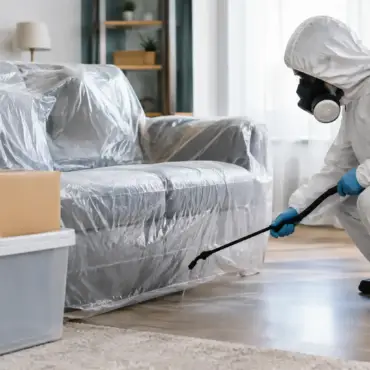
Where instructed, pull furniture away from walls. Bed frames should be accessible, mattresses should not be enclosed in plastic, and items stored beneath beds should be addressed according to your prep plan. Remove loose items from the floor so technicians can position equipment and monitoring sensors safely.
Do not dismantle furniture unless specifically asked. Taking apart a bed frame or moving a heavy sectional without a plan can create more hiding places or cause injury. A specialized heat-treatment team can direct you on what needs to be opened, moved, or left in place.
Do Not Treat the Room Yourself First
Over-the-counter foggers, bug bombs, and random pesticide applications can make the situation harder. They may drive bed bugs deeper into walls and furniture, leave residues, and interfere with inspection findings. They rarely solve an established infestation.
Vacuuming can help remove visible debris when included in your preparation instructions, but it is not a standalone solution. If you vacuum in an affected room, seal and dispose of the vacuum contents immediately as directed. Never carry an unsealed vacuum bag through the property.
Plan for People, Pets, and Privacy
Everyone, including pets, must leave the treatment area for the full service period and any required cool-down or re-entry time. Arrange a safe place to stay before treatment day. For families, this may mean coordinating school pickups, medications, pet boarding, and essential items in advance.
Only take items with you that have been approved or properly treated. A change of clothes, medications, identification, and necessary work materials may need separate handling. Your treatment coordinator can help you plan this without carrying bed bugs to your temporary location.
For apartments, hotels, health care settings, and multi-unit properties, preparation requires coordination beyond the affected room. Staff should know who is responsible for access, resident communication, keys, elevators, room turnover, and post-treatment procedures. Discretion matters, but so does clear communication. A missed room or inaccessible unit can compromise a larger remediation plan.
The Day Before and the Day of Treatment
The day before service, walk through every treated room using your provider’s checklist. Confirm that all restricted items are removed, access paths are clear, laundry instructions are complete, and occupants have a place to go. If anything is unclear, ask before treatment day rather than making assumptions.
On treatment day, be ready for the crew at the scheduled time. Point out concerns such as recently purchased furniture, fragile items, unusual room layouts, built-in storage, or rooms that are difficult to access. Technicians can inspect the setup and make adjustments before heat is introduced.
After treatment, wait for official clearance before returning. Once you re-enter, avoid bringing untreated items back into the room. Follow any post-treatment guidance about monitoring, mattress encasements, laundering, or inspections. Heat treatment is designed to eliminate active bed bugs in a single cycle, but post-treatment cooperation helps protect the result.
When Preparation Feels Too Overwhelming
Bed bug prep can feel impossible when you are managing children, mobility limitations, a busy property, or a large infestation. That is a practical problem, not a personal failure. Preparation support is available for people who need help sorting rooms, handling laundry, moving approved items, or coordinating a complex property treatment.
BC Bed Bug Expert approaches preparation as part of the solution, not a hurdle you must face alone. The goal is a safe, discreet treatment day with minimal disruption and the best possible conditions for complete elimination.
A calm, organized room gives professional heat treatment the advantage it needs. Ask questions early, follow your specific prep instructions closely, and resist the urge to move belongings without a plan. That careful preparation can be the difference between a stressful disruption and a clean, confident return to your space.