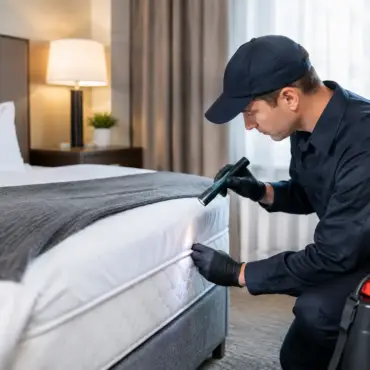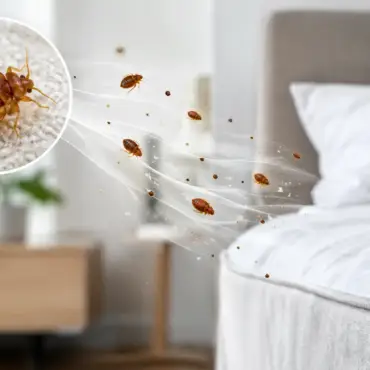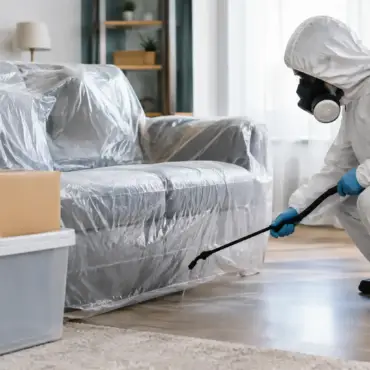
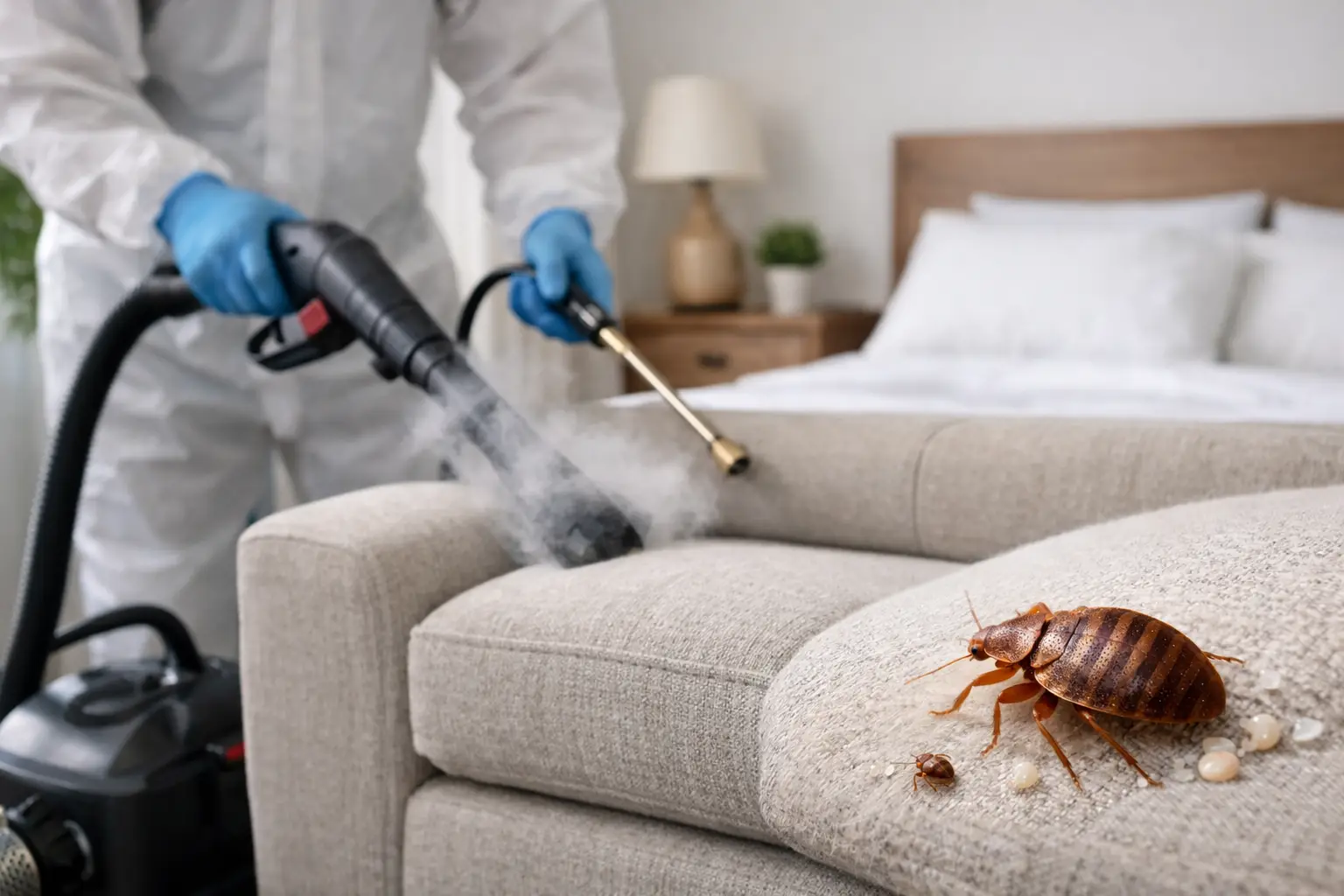
A bed bug discovery can make a perfectly good couch, bed frame, or favorite chair feel impossible to keep. But bed bug treatment without throwing furniture away is not only possible – it is often the smarter response. With professional thermal remediation, most furniture can be treated effectively in place, helping you eliminate the infestation without replacing everything you own.
The key is choosing a method that reaches the places bed bugs actually hide. Sprays applied to visible surfaces may miss eggs and insects deep inside upholstery, joints, cracks, and structural voids. Industrial heat treatment works differently. It raises the temperature throughout the treatment area to lethal levels for bed bugs at every life stage, including eggs.
Why throwing furniture away often does not solve the problem
Discarding an infested mattress or sofa may feel like immediate action, but it can create new problems. Bed bugs are rarely limited to one item. They can hide in baseboards, nightstands, picture frames, electronics, clothing, carpet edges, and nearby rooms. Removing one piece of furniture does not eliminate the insects that have already spread elsewhere.
There is also a real risk of spreading the infestation while moving items through a home, hallway, elevator, or shared property. In apartments, condos, hotels, senior living facilities, and other multi-unit buildings, that risk affects more than one household.
Furniture replacement is expensive, disruptive, and often unnecessary. A quality wood bed frame, upholstered sofa, dining set, or office furniture may be fully salvageable when treated correctly. The better question is not, “Should I throw it out?” It is, “Can this item be safely and thoroughly treated?”
How bed bug heat treatment saves furniture
Professional thermal remediation uses specialized industrial equipment to heat a room, home, vehicle, or defined area in a controlled manner. Technicians monitor temperatures continuously, placing sensors in locations where bed bugs may hide. The goal is not simply to make the room warm. It is to deliver and verify lethal heat throughout the treatment zone.
Bed bugs and their eggs cannot survive sustained lethal temperatures. Unlike many chemical approaches, heat can penetrate deep into mattress seams, upholstered furniture, bed frames, closets, cracks, and other difficult hiding places. This is why one properly performed heat treatment cycle can be so effective.
For property owners and managers, the advantage is clear: the infestation can be eliminated without relying on repeated applications over several weeks. For families, it means less exposure to pesticides and far less pressure to dispose of belongings under stress.
At BC Bed Bug Expert, thermal remediation is designed around complete coverage, careful monitoring, and practical preparation. The treatment process is non-toxic, discreet, and built to protect both the property and the items inside it.
What can usually stay
Most standard household and commercial furniture can remain in the treatment area, including mattresses, box springs, bed frames, sofas, recliners, tables, chairs, dressers, and many upholstered items. Clothing, bedding, and other personal belongings can often be treated as well when they are prepared according to the treatment plan.
Wood, metal, and most fabric-covered furniture typically tolerate professional heat treatment well. In fact, keeping these items on site allows heat to reach bed bugs where they are hiding rather than giving them an opportunity to escape during removal.
That said, every property is different. A trained specialist should assess the items in the affected space before treatment. Materials that are especially heat-sensitive, unusually valuable, damaged, or difficult to inspect may need separate handling.
What may need to be removed or protected
Heat treatment is powerful, which means preparation matters. Items such as candles, wax products, aerosol cans, certain cosmetics, medications, live plants, perishables, and heat-sensitive electronics may need to be removed. Some artwork, musical instruments, delicate antiques, and specialty materials may require additional protection or a separate plan.
This does not mean you need to empty your home. It means you need clear, property-specific instructions from a bed bug specialist. Good preparation support prevents damage, reduces treatment delays, and helps ensure heat reaches the areas where bed bugs are hiding.
When furniture should be discarded
There are circumstances when disposal is reasonable. Furniture that is structurally broken, heavily water-damaged, moldy, unsafe to use, or already at the end of its useful life may not be worth keeping. In rare cases, an item may be so cluttered, inaccessible, or severely damaged that proper treatment cannot be verified.
Even then, do not move it out immediately. Ask your treatment provider how to contain and dispose of it safely. Items placed at the curb without warning can be taken by someone else, potentially spreading bed bugs to another home. If disposal is necessary, the item should be clearly marked or rendered unusable according to local requirements.
Discarding furniture should be a deliberate decision, not a panic response. A professional inspection can help distinguish between an item that is truly unsalvageable and one that simply needs proper treatment.
Preparing furniture for a successful heat treatment
Preparation is not busywork. It gives heat access to the places bed bugs use to survive. You may be asked to reduce clutter, empty certain drawers, separate tightly packed items, and avoid sealing belongings in ways that prevent heat circulation. Your provider will explain what should remain, what should be moved, and what needs special handling.
Avoid moving infested furniture from room to room or taking it to storage before treatment. Bed bugs can drop off or crawl away during transport. Keep suspected items where they are until you receive professional direction.
You should also resist the urge to spray store-bought insecticides, foggers, alcohol, or essential oils before a scheduled treatment. These products can drive bed bugs deeper into walls and furniture, create safety concerns, and make a professional treatment less predictable. Foggers are especially poor at reaching the narrow hiding spaces where bed bugs spend most of their time.
For tenants and residents, honest communication is essential. Report suspected bed bugs quickly, follow the preparation checklist, and avoid moving belongings into another unit or home. For hotels, health care facilities, and property managers, a coordinated response protects guests, residents, staff, and neighboring spaces.
Why a professional assessment matters
Not every itchy bite is caused by bed bugs, and not every small insect is a bed bug. Confirming the problem before treatment prevents unnecessary expense and helps create the right scope of work. A professional inspection can identify activity, likely hiding areas, spread patterns, and the best treatment strategy for the property.
This is particularly important in multi-unit buildings and commercial settings. A single affected room may be connected to neighboring units through walls, utility lines, hallways, or shared furnishings. Treating only the most obvious location can leave the larger problem unresolved.
Experience also matters when protecting furniture. Proper heat treatment requires more than heaters in a room. It requires air movement, temperature monitoring, safe setup, attention to heat-sensitive items, and verification that treatment conditions reached the difficult areas. That is the difference between temporarily reducing activity and eliminating the infestation.
Bed bug treatment without throwing furniture away is a practical choice
When bed bugs are found, acting quickly matters. But quick action does not have to mean losing your furniture, replacing your bedroom, or filling a dumpster. Professional heat treatment can address bed bugs where they live, including deep inside many of the items people are most eager to save.
Before you throw anything away, get the infestation assessed and ask whether thermal remediation can treat the item safely. In many cases, the furniture you thought was lost can stay right where it belongs – in your home, clean, treated, and ready to use again.