A bed bug discovery can make every shirt, sheet, and towel feel contaminated. Before you start carrying laundry through the home, stop and get a treatment-specific plan. Whether you should launder clothes before extermination depends on the treatment method, the scope of the infestation, and how laundry will be handled without spreading bed bugs to other rooms, vehicles, or shared laundry areas.
For a professional whole-room heat treatment, laundry is often part of preparation, but it is not a reason to panic-wash everything you own. The objective is simple: contain potentially infested fabrics, avoid moving bed bugs, and give the treatment team proper access to the areas where bed bugs hide.
Do You Need to Launder Clothes Before Extermination?
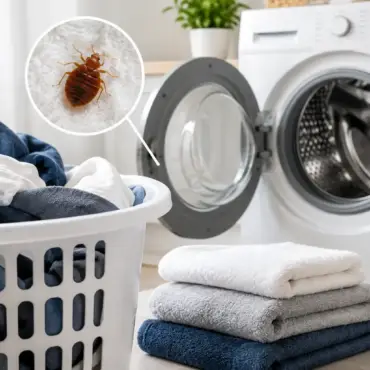
In many cases, yes – especially clothing, bedding, and washable fabrics that have been stored near beds, upholstered furniture, or other known activity. But washing is not the key step by itself. Heat from the dryer is what kills bed bugs and their eggs when the load reaches and maintains the required temperature.
A standard wash cycle may remove some bugs, but it should not be treated as extermination. If you wash clothing and then place it back in an unprotected hamper, on an infested bed, or in an unsealed closet, it can be exposed again immediately.
For that reason, laundry preparation should follow a controlled sequence: bag items where they are, transport them sealed, dry them according to fabric-safe high-heat instructions, then place clean items into fresh sealed bags or bins. Keep them contained until after treatment unless your exterminator gives different directions.
Heat treatment preparation can differ from chemical-based service. Chemical programs may require repeated laundering and ongoing treatment over several weeks. Professional thermal remediation is designed to raise the temperature throughout the treated space high enough to eliminate bed bugs at every life stage in a single treatment cycle. Your prep instructions should support that process, not create unnecessary work or accidental spread.
What to Wash and What to Leave for Treatment
Prioritize the fabrics that are closest to where people sleep or rest. That usually includes bedding, pajamas, clothes stored under or beside the bed, blankets, washable throws, and laundry sitting in bedroom hampers. If a child sleeps in a different room, examine and follow the same containment approach there.
Items from drawers and closets may also need attention, particularly when there is evidence of bed bugs in or around those areas. Do not assume that hanging clothes are automatically safe. Bed bugs can hide in seams, folds, storage containers, and the small gaps around furniture.
However, do not start stripping every room or emptying closets into piles. Loose piles make inspection more difficult and can move bed bugs into clean areas. Some treatment plans call for clothing to remain in drawers or closets so heat can penetrate those spaces. Others require bagging or partial emptying to improve airflow. The correct answer is the one provided by the bed bug specialist treating your property.
Delicate garments, dry-clean-only clothing, leather goods, shoes, handbags, and items that cannot tolerate dryer heat need separate instructions. Do not damage expensive belongings in an effort to prepare quickly. A qualified heat-treatment provider can advise whether an item can safely remain in the treatment area, be treated in a controlled heat chamber, or should be handled another way.
Keep Clean and Untreated Items Separate
Use sturdy plastic bags that can be sealed completely. Bag items in the room where they were stored, not in a hallway or living room. Once a bag is filled, seal it before moving it through the property.
After drying, use new bags or clean sealed containers for the treated items. Label them clearly as clean. This matters in apartments, hotels, senior living communities, and other multi-unit properties where laundry may travel through common spaces and staff may be assisting with preparation.
Avoid reusable laundry baskets unless they have been inspected and treated. A basket used to transport an infested load can reintroduce bed bugs to clothing that has already been dried.
How to Handle Laundry Without Spreading Bed Bugs
The biggest mistake is moving unbagged laundry from an affected room to a washer or shared laundry area. Bed bugs do not stay neatly inside a pile of clothes. They can fall off during transport, hide in a hamper seam, or remain in a vehicle after a trip to a laundromat.
Place clothing directly into sealed bags before it leaves the room. At the washer, place the bag opening directly into the machine and avoid shaking garments out. Dispose of the used bag outside, or seal it again if your treatment professional has instructed you to retain it.
When using a dryer, do not overload it. Crowded loads may not heat evenly, particularly with heavy towels, blankets, or dense clothing. Follow the garment care labels while using the highest heat setting the fabrics can safely tolerate, and allow sufficient drying time for heat to reach the entire load. If you are unsure whether an item has been exposed to adequate dryer heat, keep it sealed and ask your provider before returning it to the room.
Do not carry clean laundry back into an untreated bedroom because you need something to wear that night. Keep a small sealed supply of clean essentials in a designated area away from active infestation sites. This reduces stress without compromising the preparation process.
Why Laundry Alone Will Not Solve a Bed Bug Infestation
Laundering helps control fabrics, but bed bugs are rarely limited to clothing. They hide in mattress seams, bed frames, baseboards, nightstands, upholstered furniture, wall voids, curtains, luggage, and electrical areas. In commercial settings, they may also be found in staff rooms, guest rooms, transport vehicles, waiting areas, or adjacent units.
That is why repeated DIY washing often becomes exhausting without ending the infestation. You may be treating what can be washed while bed bugs continue breeding in furniture or structural hiding places. The situation becomes even more complex in apartments and multi-unit buildings, where activity can move between units through walls, hallways, shared furniture, or resident belongings.
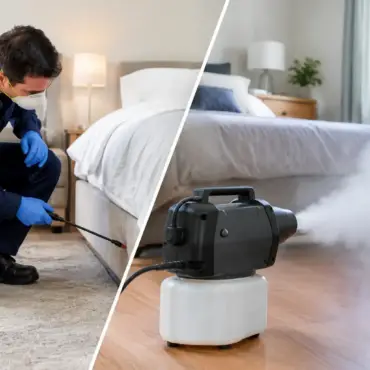
Professional heat treatment addresses the full environment rather than asking you to treat every item one piece at a time. Industrial equipment and monitored sensors are used to bring the treatment area to lethal temperatures while technicians manage airflow and inspect for difficult hiding places. It is a targeted process, not simply turning up a thermostat.
Prepare for Heat Treatment, Not for Panic
Good preparation makes a heat treatment more efficient, but over-preparing can create problems. Throwing out furniture without professional guidance may spread bed bugs through hallways, elevators, dumpsters, or neighboring areas. Spraying products before service can interfere with inspection and may drive bed bugs deeper into hiding.
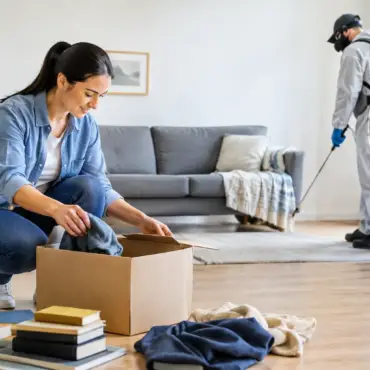
Your exterminator may ask you to remove heat-sensitive items, medications, candles, aerosol cans, plants, pets, certain electronics, or valuables. Follow that list closely. They may also request access to closets, drawers, beds, and furniture so heat can circulate and reach hidden areas.
If you manage a hotel, care facility, rental property, or multi-unit building, preparation should be coordinated rather than left to guesswork. Clear instructions for residents or staff protect privacy, reduce disruption, and prevent one improperly moved bag of laundry from creating a new problem elsewhere.
At BC Bed Bug Expert, the goal is not to make you wash your life away. It is to prepare the space safely, treat it thoroughly, and help you return to normal without repeated chemical applications or unnecessary disposal of belongings.
If you are unsure whether to wash, bag, leave, or remove an item, pause before moving it. A precise prep plan is far more valuable than frantic laundry – and it is one of the fastest ways to protect your home, property, and peace of mind.