Waking up with new bites after washing sheets, vacuuming, and trying every spray you could find is usually the moment the problem becomes real. Residential bed bug treatment is not just about killing a few visible bugs. It is about eliminating the full infestation, including eggs hidden deep in mattresses, furniture, baseboards, and clutter, before it spreads further through the home.
That is where many homeowners and tenants lose time and money. Bed bugs are not like common household pests that disappear after a quick store-bought treatment. They hide well, move easily, and can survive failed treatment attempts. If the process is incomplete, the infestation rebounds. What matters most is choosing a treatment method that matches how bed bugs actually live.
Why residential bed bug treatment often fails
Most failed treatments have the same pattern. Someone finds signs of bed bugs, tries to handle it alone, sees a temporary drop in activity, and assumes the issue is under control. Then the bites return. A few weeks later, the bugs are in more rooms, more furniture, and sometimes neighboring units.
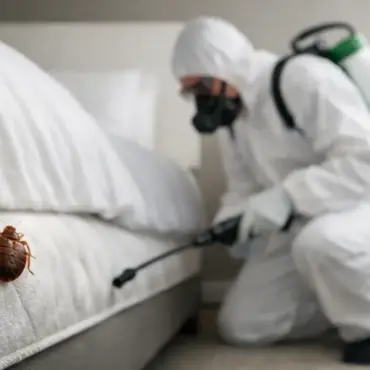
The reason is simple. Bed bugs do not stay out in the open. They wedge themselves into tight cracks, behind headboards, inside sofas, under carpets, in nightstands, and along wall edges. Their eggs are even harder to deal with. Many chemical products may kill some active bugs on contact, but they often miss hidden pockets and do not reliably eliminate eggs in one pass.
This is why repeated chemical applications become a frustrating cycle. You prepare the room, leave the home, wait for re-entry, and still end up wondering if the problem is gone. For families, tenants, seniors, and anyone managing a property, that uncertainty is exhausting.
What effective residential bed bug treatment looks like
An effective treatment has to do three things well. It has to reach the places bed bugs hide, kill adults and eggs, and do it without creating a long chain of repeat visits and partial results.
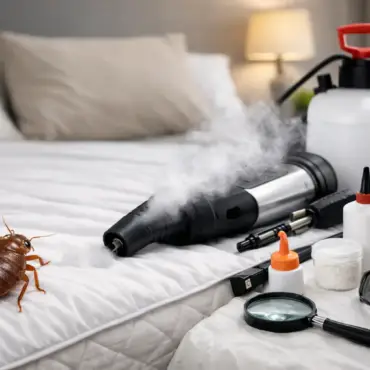
For many residential infestations, thermal remediation is the most direct answer. Professional heat treatment raises the temperature of the affected areas to levels bed bugs cannot survive. When done correctly with industrial equipment, the heat penetrates mattresses, furniture, cracks, fabrics, and other hiding places that are difficult to treat with sprays alone.
That matters because bed bugs are experts at surviving surface-level efforts. Heat changes the equation. Instead of relying on bugs to cross a treated chemical path, the treatment reaches them where they already are. Eggs, nymphs, and adults are all vulnerable when the target temperature is achieved and maintained properly.
This is also why specialized providers stand apart from general pest control services. Residential bed bug treatment is not a side service when the stakes are high. It requires experience, monitoring, equipment, and a process built specifically for bed bug behavior.
Heat treatment vs chemical treatment
There is a reason so many homeowners ask about non-toxic options. They want the problem gone, but they also want a treatment that makes sense around children, sleeping areas, soft furnishings, and everyday living spaces.
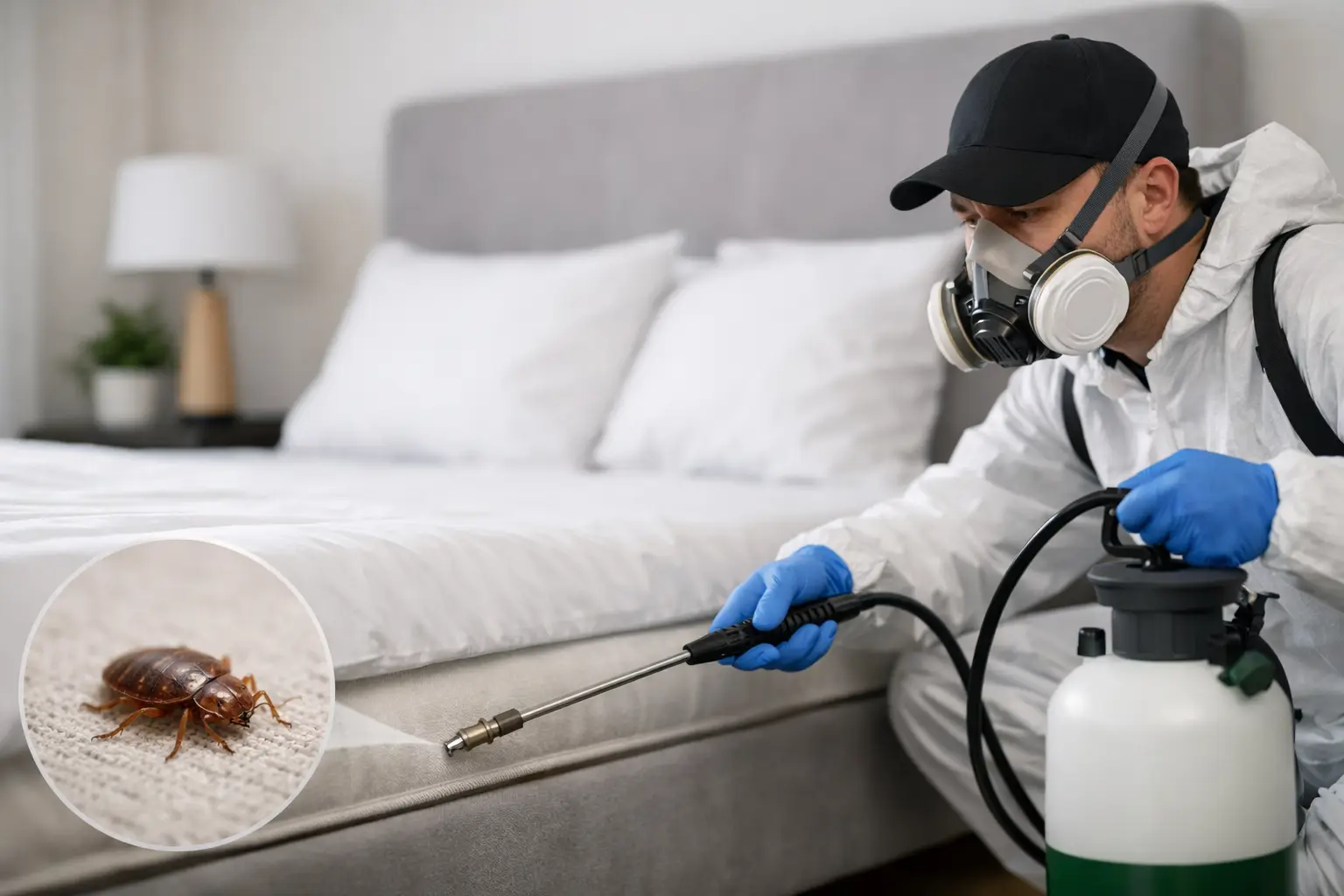
Chemical treatment can still have a place in certain situations, especially as part of a broader management plan. But it often comes with trade-offs. Multiple visits may be needed. Occupants may need to follow strict re-entry instructions. Results can depend heavily on where products were applied, what was missed, and whether bugs have spread beyond the original room.
Heat treatment is different. It is fast, comprehensive, and designed to kill bed bugs and eggs in one treatment cycle when the infestation is properly assessed and the process is executed correctly. It also avoids saturating the home with pesticides.
That does not mean every situation is identical. The size of the home, the level of clutter, the layout, and whether the infestation has moved into adjoining areas all affect the treatment plan. But for residential customers who want a decisive solution, professional heat treatment is often the strongest option available.
What to expect during a residential bed bug treatment service
The first step is confirming the scope of the infestation. That may sound obvious, but it is critical. Bed bugs do not always stay in the bedroom. In active infestations, they can spread to living rooms, closets, hallways, and nearby units in apartments or condos.
A professional inspection helps determine where treatment is needed and whether a single room approach will fail. Treating only the bed while bed bugs are already in the sofa and baseboards is one of the most common reasons people think treatment did not work.
Next comes preparation. This should not feel like guesswork. Good prep support makes the process easier and prevents unnecessary stress. Some items may need to be bagged, some heat-sensitive belongings may need to be removed, and furniture placement may need adjustment so heat can circulate properly. The goal is not to make your life harder. The goal is to make sure the treatment reaches every critical area.
During treatment, industrial heating equipment and sensors are used to raise and track temperatures throughout the space. This is not the same as turning up a thermostat or running portable heaters from a hardware store. Professional systems are built for controlled, whole-room or whole-home remediation, with air movement and monitoring that ensure lethal temperatures reach the actual hiding zones.
After treatment, the environment should be reassessed and post-treatment guidance should be clear. You should know what normal follow-up signs may look like, what to monitor, and when to call with questions. Reassurance matters here. People dealing with bed bugs are often on edge for weeks. Clear communication is part of good service.
Discretion and speed matter more than people realize
Residential infestations carry a stigma they should not. Bed bugs are not a sign of poor hygiene. They travel through luggage, used furniture, shared walls, visitors, and everyday movement. But even knowing that, most people do not want neighbors, guests, or tenants aware of the problem.
That is why discretion is not a small detail. It is part of the service. So is speed. Every extra day gives bed bugs more time to reproduce, spread, and increase the emotional and financial cost of the infestation.
Fast action can prevent discarded mattresses, repeated laundering, unnecessary chemical exposure, and extended disruption to sleep. For landlords and property managers, it can also reduce tenant complaints and lower the risk of spread into additional units.
When the infestation is bigger than one room
Not every residential bed bug treatment is limited to a single bedroom. In condos, apartments, duplexes, and larger homes, bed bugs may move farther than expected. Shared walls and common building conditions can complicate things quickly.
This is where specialist support becomes especially important. A provider with experience in both single-home and multi-unit remediation can identify whether the visible problem is only one part of a larger issue. That kind of judgment protects the customer from spending money on a treatment plan that is too small for the real infestation.
It also helps when vulnerable occupants are involved. Seniors, people with mobility issues, families with young children, and residents managing health concerns need a treatment approach that is practical, safe, and efficient. One-day treatment capability can make a major difference in those settings.
Choosing the right company for residential bed bug treatment
You are not just hiring someone to spray a room. You are hiring expertise, process, and confidence under pressure. Ask whether the company specializes in bed bugs or handles them as one service among many. Ask what treatment method they use, whether they treat eggs, what preparation support is provided, and how they assess hidden spread.
The right company should be direct about what works, what depends on the condition of the home, and what your role is before and after treatment. They should also be able to explain why their method is designed for complete elimination, not temporary suppression.
BC Bed Bug Expert has built its reputation around that specialized approach, using industrial heat treatment to deliver fast, discreet, non-toxic bed bug elimination for residential and complex property types alike.
If you are dealing with bed bugs at home, the main thing to remember is this: delay gives them an advantage. The right treatment gives it back to you, along with the chance to sleep normally again.