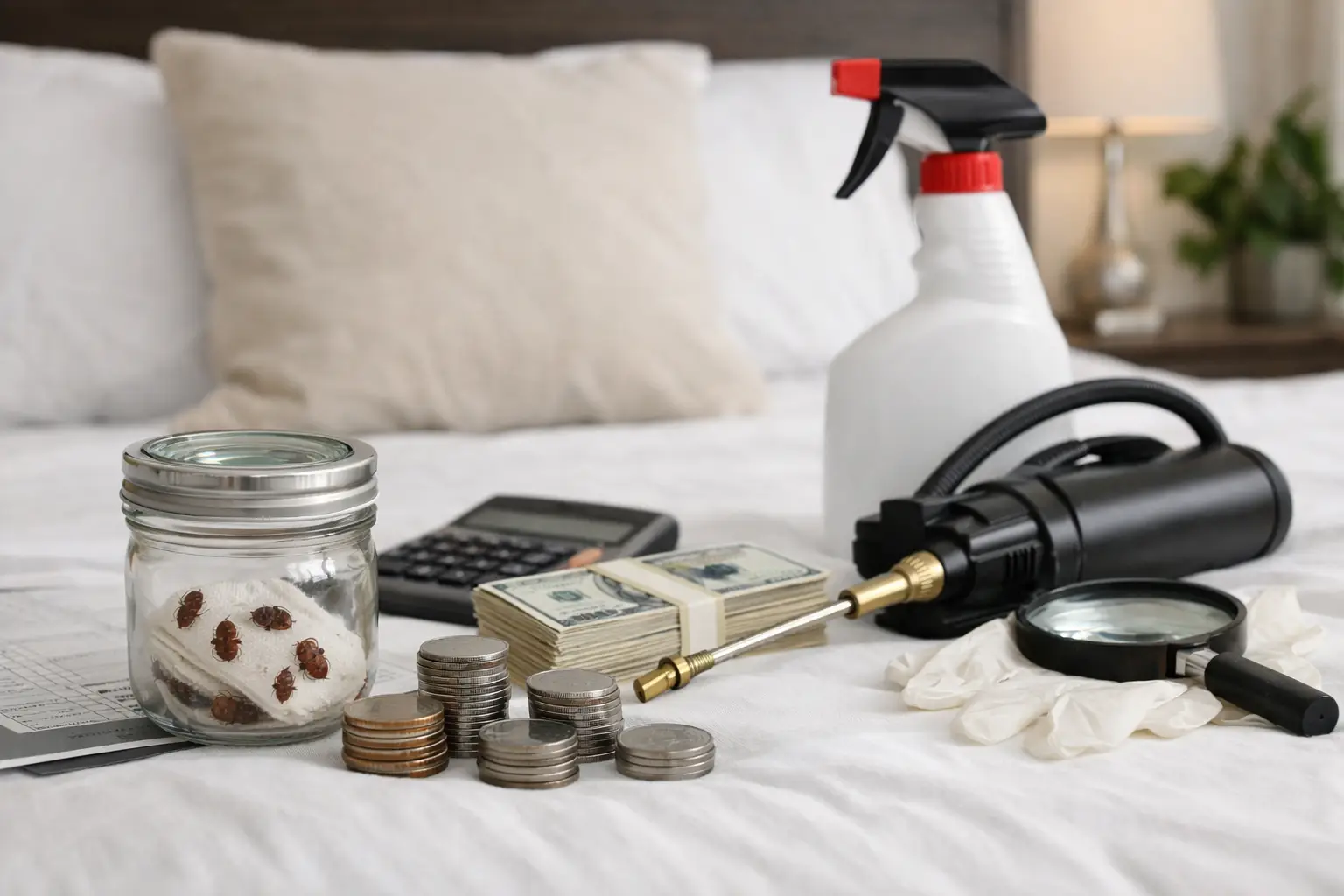
If you are comparing home bed bug treatment cost, you are probably already losing sleep, washing everything twice, and wondering whether the cheapest option will actually fix the problem. That is the real issue. With bed bugs, price matters, but failed treatment costs more than a higher quote that solves the infestation fast.
A low number on paper can look appealing when you are stressed. But bed bug pricing is not just about today’s invoice. It is about whether the treatment reaches hidden bugs, kills eggs, protects adjoining rooms, and keeps you from paying again in two weeks.
What affects home bed bug treatment cost?
The biggest factor is not the bug itself. It is how far the infestation has spread and how difficult the space is to treat. A single bedroom caught early will not be priced the same as a whole house where bugs have moved into furniture, baseboards, closets, and neighboring rooms.
Square footage matters, but layout matters too. A small, cluttered apartment with heavy infestation can take more labor than a larger, well-prepared home. The number of sleeping areas, amount of furniture, storage density, and whether the bugs are isolated or dispersed all affect cost.
Treatment method also changes the price significantly. Traditional chemical programs often look cheaper at first because the initial visit is lower. The trade-off is that they usually require multiple visits, repeated preparation, follow-up inspections, and time for products to work. Heat treatment often carries a higher upfront price, but it is designed to eliminate bed bugs and eggs in a single treatment cycle when done properly with commercial equipment and experienced technicians.
Access is another pricing factor people overlook. If technicians can move efficiently through the home, treatment is more straightforward. If the infestation involves packed storage, hoarding conditions, limited access, or sensitive contents that need special handling, labor increases.
Typical price ranges homeowners see
Homeowners in the U.S. often see bed bug treatment quotes ranging from a few hundred dollars for limited service to several thousand dollars for full-home remediation. That wide range is normal. It reflects how different one infestation can be from the next.
For a small, localized issue, some providers may quote a lower-cost spot or room treatment. That can make sense if the infestation was identified very early and confirmed to be limited. The problem is that bed bugs rarely stay politely in one visible area. By the time people notice bites or live activity, bugs may already be in nearby rooms, furniture seams, wall voids, or personal belongings.
For larger homes or broader infestations, pricing climbs because more space, equipment, monitoring, and technician time are involved. If multiple rooms are active, if prep support is needed, or if the property is a duplex, townhouse, or multi-unit setting with exposure risk beyond one residence, the scope changes quickly.
That is why reputable companies do not rely on one flat number for every customer. Accurate pricing starts with inspection, infestation mapping, and the right treatment plan.
Why cheap bed bug treatment can get expensive fast
The cheapest quote is often attached to the narrowest service. Sometimes that means a surface spray, limited room coverage, or a program that depends on several return visits before the problem is under control. On paper, it feels affordable. In practice, it can stretch the infestation out for weeks.
That delay costs money in ways many homeowners do not expect. You may replace mattresses that could have been saved, throw away furniture unnecessarily, miss work for repeat appointments, keep paying for laundry, or book hotel stays when the stress becomes too much. If bugs spread during that time, the next treatment becomes more extensive and more expensive.
There is also the emotional cost. Families dealing with bed bugs are not shopping casually. They want privacy, speed, and confidence that the problem is actually ending. A treatment that drags on can be more disruptive than a stronger solution with a higher upfront fee.
Heat treatment vs chemical treatment cost
When people compare home bed bug treatment cost, this is usually the biggest decision. Heat treatment and chemical treatment are priced differently because they work differently.
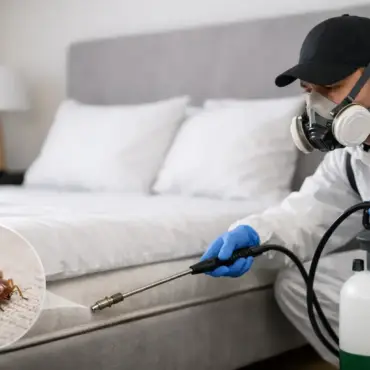
Chemical treatment is often sold as the lower-cost option at the beginning. It may involve residual products, crack-and-crevice applications, dusts, and follow-up service. In some cases, especially very light infestations, it can help. But bed bugs are difficult to eliminate with chemicals alone because they hide well, eggs can survive some stages of treatment, and resistance is a real concern.
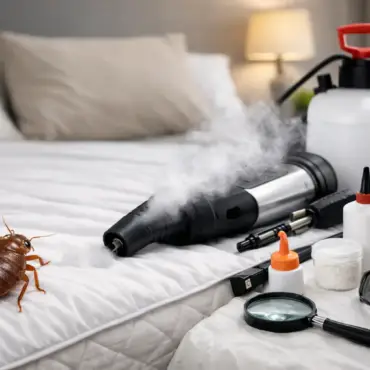
Heat treatment uses industrial equipment to raise the affected space to temperatures lethal to bed bugs and their eggs. Done correctly, it penetrates areas sprays may miss, including furniture, cracks, and contents throughout the treatment zone. That is why heat usually costs more upfront. It requires specialized machines, close temperature monitoring, technical setup, and skilled operators.
The reason many homeowners still choose heat is simple. One-day, whole-space elimination is often more cost-effective than paying for repeated chemical visits that may not fully resolve the issue. For households under pressure, speed matters almost as much as price.
A specialist such as BC Bed Bug Expert focuses on heat because it is fast, discreet, and non-toxic, which matters for families, seniors, sensitive environments, and anyone who wants the infestation gone without bringing prolonged chemical exposure into the home.
What should be included in the price?
A useful quote should tell you more than the total. It should explain what area is being treated, what method is being used, whether eggs are addressed, what preparation is required, and whether follow-up support is included.
Ask whether the price covers inspection, treatment of adjacent risk areas, monitoring, prep guidance, and post-treatment instructions. Some lower quotes exclude items that turn into added charges later. Others are priced low because they are not treating the full problem.
You should also ask whether the provider specializes in bed bugs or handles them as one service among many. Bed bugs are not a side job. They require precise inspection, correct equipment, and experience with how infestations spread in homes, apartments, hotels, care settings, and multi-unit properties.
When higher cost actually means better value
There are situations where paying more up front is the financially smarter move. If you have children in the home, limited time, a severe infestation, or previous failed treatments, the value of a decisive solution increases. The same is true if your concern is not just your unit but potential spread to neighboring rooms or attached residences.
Better value also means reducing hidden losses. If treatment is completed properly the first time, you are less likely to replace belongings, keep missing work, or spend money on ineffective do-it-yourself products. Many people underestimate how much they spend trying to avoid professional service, only to call for real treatment after the infestation worsens.
For landlords, property managers, and hospitality operators, cost has to be weighed against complaint escalation, reputational damage, vacancy loss, and the risk of movement between units or rooms. In those settings, speed and effectiveness are not luxuries. They are part of the financial equation.
How to evaluate a quote with confidence
The best quote is not automatically the lowest or the highest. It is the one tied to a clear plan. If a company cannot explain why your price is what it is, what treatment method they are using, and what results to expect, keep looking.
A strong provider will speak plainly. They will tell you whether the infestation appears localized or widespread, whether one treatment is realistic, what prep is necessary, and where the risks are if treatment is delayed. They will also respect your privacy and urgency, because bed bug service is not just technical work. It is crisis response inside someone’s home.
If you are deciding based on budget, be honest about what you can afford, but do not compare quotes as if every service is identical. A lower bid that leaves eggs, misses adjacent spaces, or depends on several uncertain visits is not the same product as a specialized, full-scale heat treatment.
The right question is not just, “What does it cost?” It is, “What will it cost me if this does not work?” That question usually leads to a better decision.
If you are facing an active infestation, look for a provider that can assess the real scope, act quickly, and give you a treatment plan built to end the problem, not manage it indefinitely. Peace of mind has a price, but so does waiting too long.