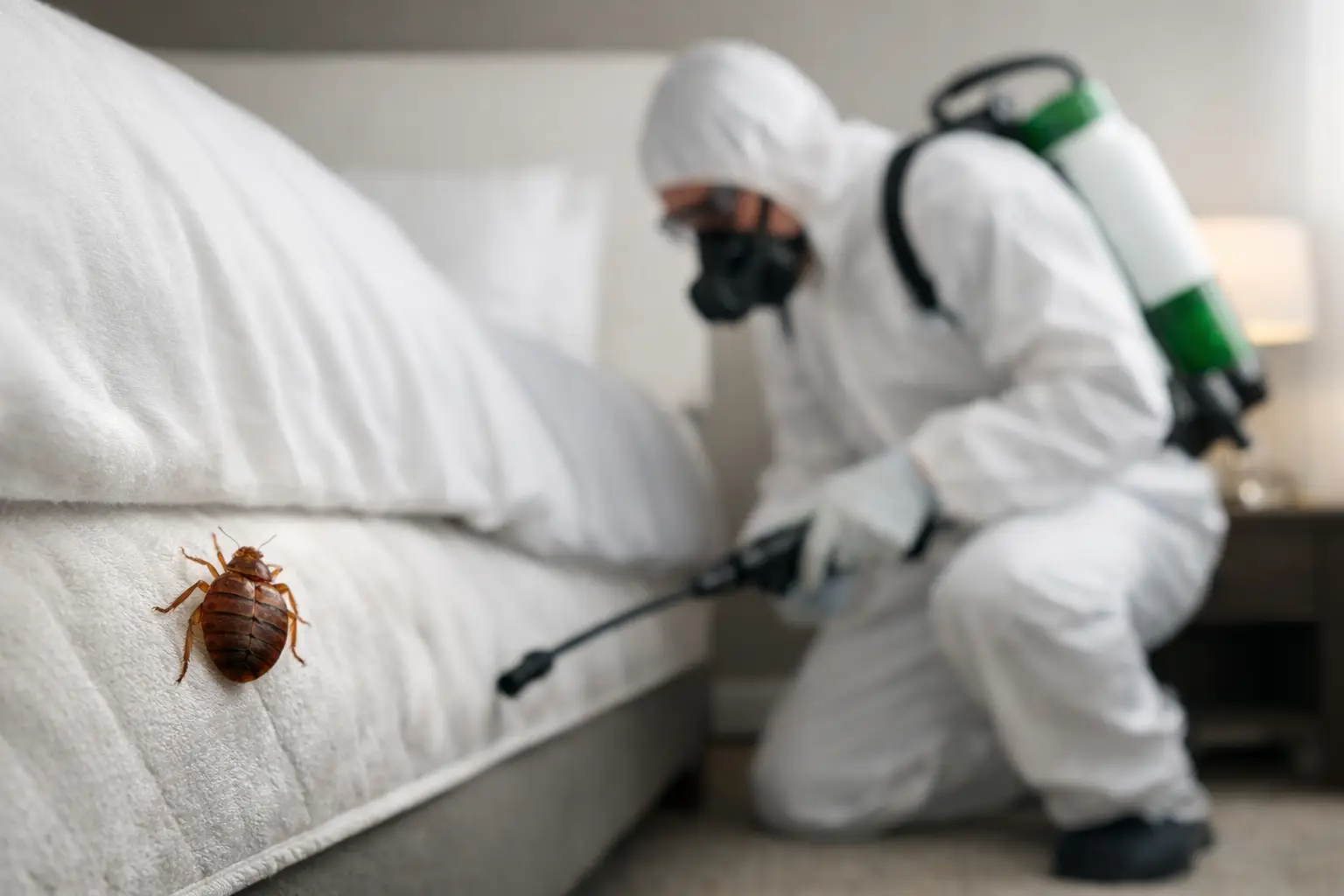
You usually do not get a warning with bed bugs. One morning it is a few bites. By the next week, you are washing everything twice, losing sleep, and wondering whether the problem is only in your unit or already moving through the building. That is why apartment bed bug treatment has to be handled quickly and correctly the first time.
In an apartment, bed bugs are rarely just a simple household pest issue. Shared walls, neighboring units, common laundry areas, and tenant turnover all make control harder than it is in a detached home. A weak treatment plan can scatter the infestation, prolong it, and turn one affected unit into a building-wide problem. When the stakes include your family, your tenants, your reputation, and your time, the right treatment method matters.
Why apartment bed bug treatment is different
Apartment infestations are more complicated because bed bugs do not respect lease lines. They travel through wall voids, electrical outlets, pipe chases, baseboards, furniture, and personal belongings. In multi-unit buildings, the visible activity in one apartment may only be part of the problem.
This is where many people lose time and money. They treat the mattress, replace bedding, spray a few cracks, and assume the issue is contained. Meanwhile, bed bugs remain in couches, behind headboards, inside nightstands, under baseboards, and in adjacent units. The result is not just frustration. It is reinfestation.
For tenants, that means more stress and more disruption. For landlords and property managers, it can mean repeated complaints, unit downtime, and a treatment cycle that never fully ends. Effective apartment bed bug treatment starts with understanding that the unit you see is not always the full infestation footprint.
What fails most often
Repeated chemical spraying is one of the biggest reasons infestations drag on. Some products kill exposed bugs, but they often miss eggs and hidden harborages. Bed bugs can also avoid treated surfaces or retreat deeper into cracks and neighboring units. You may see fewer bugs for a short time, then the activity returns.
Store-bought foggers are another common mistake. They rarely solve the source of the infestation and can drive bed bugs into walls, closets, and adjoining apartments. Throwing out furniture too early can also backfire. If the infestation is not eliminated first, new furniture can become infested just as easily.
Even laundering alone has limits. Heat from a dryer can kill bed bugs on clothing and linens, but laundry does not treat bed frames, upholstered furniture, wall edges, luggage, or structural hiding spots. It helps with preparation, not full elimination.
The case for heat treatment in apartments
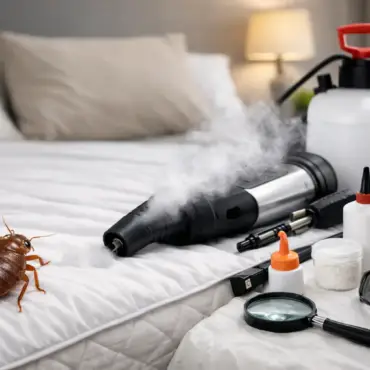
When speed and completeness matter, professional heat treatment is often the strongest option. Unlike surface-level chemical applications, thermal remediation raises the temperature in the treatment area high enough to kill bed bugs at every life stage, including eggs. That matters because eggs are one of the main reasons infestations come back after partial treatment.
A properly executed heat treatment reaches where sprays often do not. It penetrates mattresses, furniture, cracks, baseboards, and cluttered hiding areas. In many cases, it can eliminate an active infestation in a single treatment cycle. That is a major advantage for apartment residents who want their home back quickly and for property managers trying to reduce repeat service calls.
There is also a safety benefit. Non-toxic heat treatment avoids the heavy reliance on pesticides inside sleeping areas, children’s rooms, and sensitive living environments. For many households, that peace of mind is just as important as the kill rate.
That said, heat treatment has to be done by specialists with the right equipment and experience. Apartment layouts, unit contents, building materials, and neighboring occupancy all affect how the treatment should be planned. Inexperienced operators can leave cool zones or fail to address the bigger multi-unit picture.
How professional apartment bed bug treatment should work
The first step is a real inspection, not guesswork. A specialist should determine where bed bugs are active, how severe the infestation is, and whether surrounding units or shared pathways need attention. In apartments, this step is critical because treating one unit in isolation is not always enough.
Next comes preparation. Good prep support makes a difference because over-prepping can be as disruptive as under-prepping. Residents need clear instructions on what should be bagged, laundered, moved, or left in place. The goal is to make the treatment effective without turning the apartment upside down unnecessarily.
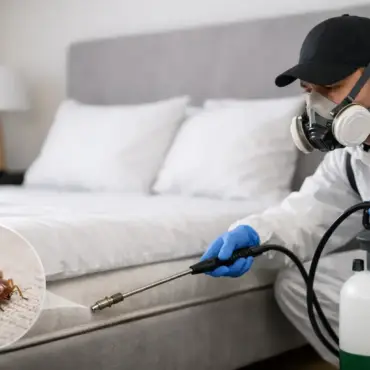
Then the treatment itself must be controlled and monitored. With industrial heat, technicians place specialized equipment to raise temperatures evenly and track heat throughout the apartment. Fans are used to move hot air into difficult spaces. Sensitive items are identified in advance. This is not a space heater in the middle of a room. It is a technical process.
After treatment, there should be follow-up guidance. Residents and property managers need to know what signs to watch for, how to avoid reintroducing bed bugs, and when adjacent unit checks may be appropriate. Strong providers do not just kill bugs. They help stabilize the situation so it stays resolved.
For tenants, speed and discretion matter
If you are living through an infestation, the emotional side is real. People lose sleep, isolate themselves, and worry about spreading bed bugs to work, school, or family. Many delay calling for help because of embarrassment. That delay usually gives the infestation more time to grow.
A professional apartment bed bug treatment plan should be discreet and practical. You should not have to broadcast the issue to the whole building, and you should not be left trying to figure out the process on your own. The best specialists explain what is happening, what will happen next, and how to get your space back as quickly as possible.
Just as important, you should not have to throw away everything you own. In many cases, beds, couches, clothing, and other belongings can be treated successfully. Replacing items before the infestation is eliminated often creates unnecessary cost and stress.
For landlords and managers, partial treatment is expensive
What looks cheaper at the start often costs more in the end. Multiple spray visits, recurring tenant complaints, replacement of discarded contents, vacant unit loss, and reputation damage can add up quickly. In multi-unit housing, delay has a way of multiplying the final bill.
This is why apartment bed bug treatment should be approached as an operational problem, not just a pest complaint. You need a provider who understands unit-to-unit spread, building coordination, tenant communication, and large-scale remediation planning when necessary. A specialist can help determine whether one unit, several units, or an entire section of a building needs intervention.
There is no one-size-fits-all answer. A single-unit introduction caught early may be handled differently than a long-standing infestation with evidence of migration. The point is to match the treatment plan to the building reality, not to rely on a generic pest control script.
When to act immediately
If bites are increasing, if you have seen live bed bugs, or if neighboring units have reported activity, waiting is the wrong move. The same is true if you have already tried sprays or DIY products and the bugs are still showing up. Bed bugs rarely fade out on their own. They spread, hide, and keep feeding.
Fast action is especially important in apartments with children, seniors, medically vulnerable residents, or frequent visitor traffic. It also matters in furnished rentals and high-turnover buildings, where untreated infestations can move with people and belongings.
Specialized companies such as BC Bed Bug Expert are built for exactly this kind of pressure. The value is not just in killing bed bugs. It is in doing it quickly, discreetly, and with a treatment method designed to solve the problem instead of managing it week after week.
If you are choosing between another round of uncertainty and a treatment plan built to eliminate bed bugs at the source, trust the option that gives you a real finish line. Sleep is hard enough to lose once.